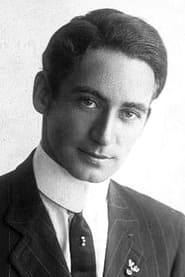
Harry Bowen
Actor
Born: February 21, 1888 in Cincinnati, Ohio, USA Died: December 30, 1941 Active: 1919-1936 Birth Name: Harry Thomas Bowen
Films
2 films
About Harry Bowen
American character actor who flourished during the transition from silent films to early talkies, establishing himself as a reliable supporting player in comedy productions. His the late 1910s through the mid-1930s, during which he appeared in over 200 films, primarily short comedies for major studios like Hal Roach and Mack Sennett. Bowen developed a reputation for his versatile character portrayals, often playing authority figures, frustrated businessmen, or comic foils to leading comedians. He worked alongside many of the era's comedy greats including Charley Chase, W.C. Fields, The Three Stooges, and Laurel and Hardy. His distinctive appearance and ability to deliver both physical and verbal comedy made him a valuable asset in the rapidly changing landscape of early Hollywood sound cinema. While never achieving stardom himself, Bowen contributed significantly to the golden age of comedy shorts, bringing his unique brand of exasperated humor to countless productions. His filmography represents a cross-section of the comedy format that dominated early American cinema before the feature film became the industry standard.
The Craft
On Screen
Bowen specialized in playing exasperated, flustered characters who served as perfect foils for the main comedians. His style combined physical comedy with precise timing, often using his expressive face and deliberate movements to enhance the humor. He had a particular talent for playing authority figures who would gradually lose their composure, creating a comedic contrast with the anarchic behavior of the lead performers. His delivery in talkies was characterized by a deliberate, slightly pompous speaking style that made his eventual breakdowns even more amusing.
Milestones
- Regular supporting player in Hal Roach comedy shorts
- Appeared in over 200 films during his career
- Worked with major comedy stars of the silent and early sound era
- Transitioned successfully from silent to sound films
- Became a recognizable face to comedy short audiences
Best Known For
Iconic Roles
Must-See Films
Working Relationships
Worked Often With
Studios
Why They Matter
Impact on Culture
Harry Bowen represents the essential backbone of early Hollywood comedy - the reliable supporting actors who made the stars shine. His work helped establish the template for comedy short films that would influence generations of comedians and filmmakers. As a consistent presence in hundreds of films, he contributed to the development of American comedy language, particularly the use of the 'straight man' and 'exasperated character' archetypes. His ability to adapt from silent to sound comedy demonstrated the versatility required of character actors during this transitional period. Bowen's prolific output during the golden age of comedy shorts helped create the comedic foundation that would later influence television sitcoms and modern comedy films.
Lasting Legacy
Harry Bowen's legacy lies in his contribution to the golden age of American comedy shorts, where he served as. While never a household name himself, his face was familiar to millions of moviegoers who flocked to see comedy shorts in theaters during the 1920s and 1930s. Film historians and comedy enthusiasts recognize him as an essential part of the comedy ecosystem that produced legends like Laurel and Hardy, The Three Stooges, and W.C. Fields. His extensive filmography serves as a valuable record of the comedy techniques and styles that defined early Hollywood. Modern comedians and actors studying classic comedy can learn from his precise timing and ability to enhance the humor of his co-stars without overshadowing them.
Who They Inspired
Bowen influenced generations of character actors through his demonstration of how to effectively support comedy leads. His approach to playing exasperated characters became a template for similar roles in later comedy films and television shows. Actors studying classic comedy often cite his work as an example of perfect comic timing and restraint. His ability to transition from silent to sound films provided a model for other character actors facing the same challenge. Contemporary character actors in comedy frequently acknowledge the debt owed to pioneers like Bowen who established the importance of the supporting cast in comedy productions.
Off Screen
Harry Bowen was born into a working-class family in Cincinnati and moved to California during the early film boom. He married actress and fellow comedy performer Dorothea 'Babe' Kane in 1925, and the couple often appeared together in comedy shorts. Bowen was known as a reliable professional on set, respected by his fellow actors and directors for his consistency and willingness to help younger performers. Despite his prolific career, he maintained a relatively private personal life away from the Hollywood spotlight. He struggled with health issues in his later years and died of a heart attack at age 53, just as the era of comedy shorts that had defined his career was coming to an end.
Education
Limited formal education; likely attended local schools in Cincinnati before entering show business
Family
- Dorothea 'Babe' Kane (1925-1941)
Did You Know?
- Appeared in over 200 films during his 17-year career
- Often played characters who would progressively become more flustered and exasperated
- Worked with virtually every major comedy star of the silent and early sound era
- Was a regular player at Hal Roach Studios, the comedy factory that produced Laurel and Hardy
- His distinctive balding appearance and mustache made him easily recognizable to audiences
- Often cast as a policeman, judge, or businessman in comedy shorts
- Appeared in both silent films and successfully transitioned to talkies
- Was married to fellow comedy performer Dorothea Kane
- His final film appearances were in Three Stooges shorts
- Died relatively young at 53, just as the comedy short format was declining in popularity
In Their Own Words
I'm not the star, I'm the guy who makes the star look good - that's my job and I love it.
In comedy, timing isn't everything, it's the only thing.
The secret to being a good supporting actor is knowing when to step back and when to step up.
Frequently Asked Questions
Who was Harry Bowen?
American character with credits in this catalog. He appeared in over 200 films between 1919 and 1936, working with major comedy stars like Charley Chase and W.C. Fields.
What films is Harry Bowen best known for?
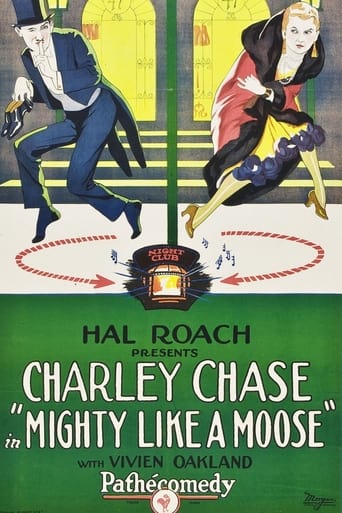
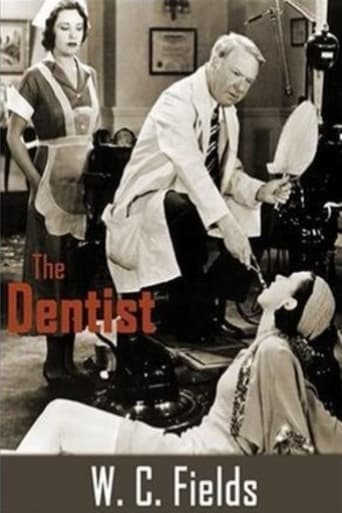
Titles linked here include Mighty Like a Moose (1926), The Dentist (1932).
When was Harry Bowen born and when did he die?
Born February 21, 1888; died December 30, 1941.
What awards did Harry Bowen win?
Harry Bowen did not receive any major awards or nominations during his career, which was typical for supporting character actors of his era. His recognition came from being a reliable and prolific performer in hundreds of comedy productions.
What was Harry Bowen's acting style?
Bowen specialized in playing exasperated, flustered characters who served as perfect foils for lead comedians. His style combined physical comedy with precise timing, often using his expressive face and deliberate movements to enhance the humor.
Did Harry Bowen work with any famous comedians?
Yes, Bowen worked with virtually every major comedy star of his era including Charley Chase, W.C. Fields, Laurel and Hardy, The Three Stooges, and many others. He was a regular supporting player at Hal Roach Studios.
How did Harry Bowen transition from silent to sound films?
Bowen successfully transitioned from silent to sound films, adapting his acting style to include dialogue while maintaining his physical comedy skills. His ability to deliver both verbal and physical comedy made him valuable during this transitional period.