
Dorothy Granger
Actor
Born: November 21, 1911 in New York City, New York, USA Died: January 4, 1995 Active: 1929-1950s
Films
3 films
About Dorothy Granger
American actress who flourished during the Golden Age of Hollywood, primarily known for her work in supporting roles and comedies throughout the 1930s and 1940s. Beginning her career in the late 1920s, she successfully navigated the transition from silent films to talkies, showcasing her versatility as a character actress. Granger appeared in over 100 films throughout her career, working with major studios and alongside some of Hollywood's most famous comedians. She gained particular recognition for her work with W.C. Fields, appearing in several of his comedy shorts and features. Her marriage to director Eddie Cline in 1932 further solidified her position in the Hollywood comedy circuit, as Cline directed many of Fields' films. Despite never achieving leading lady status, Granger became a familiar face to movie audiences through her consistent work in both dramatic and comedic productions. Her nearly three decades, during which she proved herself to be a reliable and talented character actress capable of playing diverse roles.
The Craft
On Screen
Dorothy Granger was known for her versatility and adaptability as a character actress, possessing strong comedic timing and the ability to play various character types convincingly. Her acting style was naturalistic yet expressive, allowing her to excel in both comedic and dramatic supporting roles. She had a particular talent for physical comedy and could deliver witty dialogue with precision, making her a valuable asset in ensemble casts. Granger's approach to acting was professional and reliable, qualities that made her a favorite among directors seeking dependable supporting players. Her performances were characterized by their authenticity and lack of pretension, allowing her to blend seamlessly into whatever role she was assigned.
Milestones
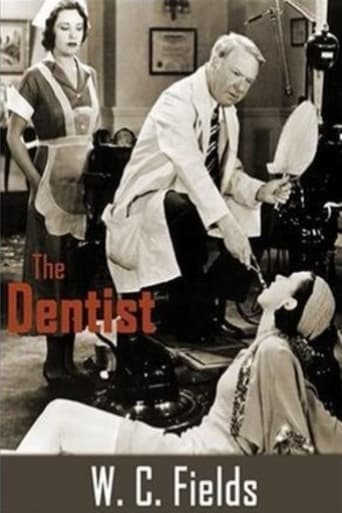
- Appeared in W.C. Fields' comedy classic 'The Dentist' (1932)
- Worked as a contract player for major Hollywood studios throughout the 1930s
- Successfully transitioned from silent films to talkies
- Married director Eddie Cline who directed many comedy classics
- Appeared in over 100 films during her career
- Worked consistently through the Great Depression era
- Became a familiar character actress to Golden Age audiences
Best Known For
Iconic Roles
Must-See Films
Working Relationships
Worked Often With
Studios
Why They Matter
Impact on Culture
Dorothy Granger contributed to the fabric of Golden Age Hollywood through her extensive body of work as a character actress, appearing in numerous films that have become classics of American cinema. Her collaborations with W.C. Fields helped create some of the most enduring comedy films of the 1930s and 1940s, which continue to be studied and appreciated by film scholars and enthusiasts. Granger represented the legion of talented supporting actors who were essential to the studio system, providing the depth and texture that made Hollywood's golden productions memorable. Her ability to adapt to various genres and work consistently through different eras of filmmaking demonstrated the resilience and professionalism characteristic of classic Hollywood character actors.
Lasting Legacy
Dorothy Granger's legacy lies in her contribution to the Golden Age of Hollywood as a reliable and versatile character actress who appeared in over 100 films. While she never achieved stardom, her work in classic comedies, particularly those with W.C. Fields, ensures her place in film history. She represents the countless talented supporting players who were the backbone of Hollywood's studio system, providing the essential performances that made films memorable. Her filmography serves as a valuable record of the types of roles available to women in Hollywood during the 1930s and 1940s, and her successful transition from silent to sound films exemplifies the adaptability required of actors during that transformative period in cinema history.
Who They Inspired
As a character actress, Dorothy Granger's direct influence on other performers is not extensively documented, but her professional approach and versatility served as an example for aspiring supporting actors in Hollywood. Her successful career longevity during the competitive studio era demonstrated the value of reliability and adaptability in the film industry. Her work in comedy, particularly with W.C. Fields, contributed to the development of American film comedy and provided templates for future character actors in ensemble casts. Granger's ability to work across different genres and studios showed the importance of versatility for character actors seeking sustained careers in Hollywood.
Off Screen
Dorothy Granger married director Eddie Cline in 1932, who was known for his work directing many of W.C. Fields' films. Their marriage lasted until Cline's death in 1961, and the professional collaboration between them benefited both their careers. Granger was known to be a private person who maintained a relatively low public profile despite her extensive film work. She lived in the Los Angeles area for most of her adult life and remained connected to the film industry even as her on-screen appearances diminished in the 1950s. After her husband's death, she largely withdrew from public life but remained respected among Hollywood veterans for her contributions to Golden Age cinema.
Family
- Eddie Cline (1932-1961)
Did You Know?
- Appeared in over 100 films throughout her career
- Married director Eddie Cline who directed many W.C. Fields films
- Successfully transitioned from silent films to talkies
- Worked with The Three Stooges in several shorts
- Often played secretaries, waitresses, and other working-class characters
- Her film active years covered from the late 1920s to the early 1950s
- Was a contract player for several major studios
- Appeared without on-screen billing in many of her later film roles
- Worked consistently through the Great Depression when many actors struggled
- Was part of Hollywood's reliable character actor community that supported major stars
Frequently Asked Questions
Who was Dorothy Granger?
American character actress active during Hollywood's Golden Age, appearing in over 100 films from the late 1920s through the early 1950s. She was particularly known for her work in comedies, especially her collaborations with W.C. Fields, and for playing various supporting roles that made her a familiar face to classic movie audiences.
What films is Dorothy Granger best known for?
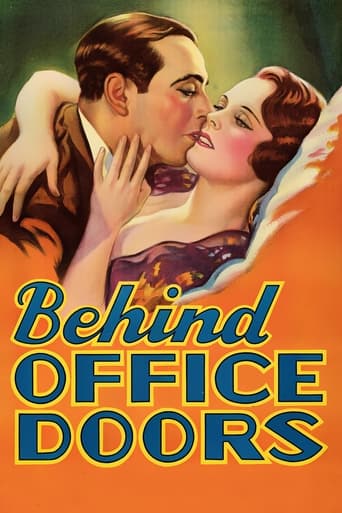
Titles linked here include The Dentist (1932), Behind Office Doors (1931).
When was Dorothy Granger born and when did she die?
Born November 21, 1911; died January 4, 1995.
What awards did Dorothy Granger win?
Dorothy Granger did not receive major awards or nominations during her career, which was typical for character actors of her era. However, she was recognized within the industry for her reliability and versatility as a supporting player, appearing in over 100 films throughout her decades-long career.
What was Dorothy Granger's acting style?
Dorothy Granger was known for her naturalistic and versatile acting style, with strong comedic timing and the ability to play various character types convincingly. She excelled in both comedic and dramatic supporting roles, bringing authenticity and professionalism to every performance, whether playing secretaries, waitresses, or other working-class characters.
Who was Dorothy Granger married to?
Dorothy Granger married director Eddie Cline in 1932, and their marriage lasted until Cline's death in 1961. Eddie Cline was a prominent director who worked on many of W.C. Fields' films, and their professional and personal partnership was beneficial to both their careers in Hollywood.