Mary Foy
Actor
Born: January 24, 1889 in New York City, New York, USA Died: October 22, 1963 Active: 1912-1931
Films
6 films

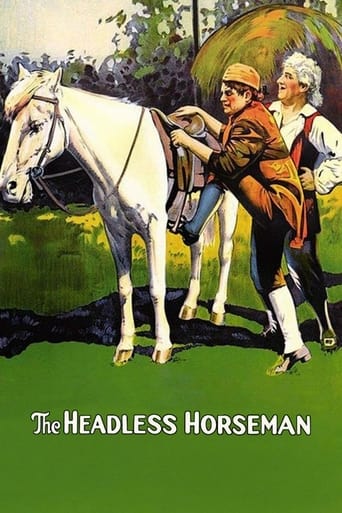
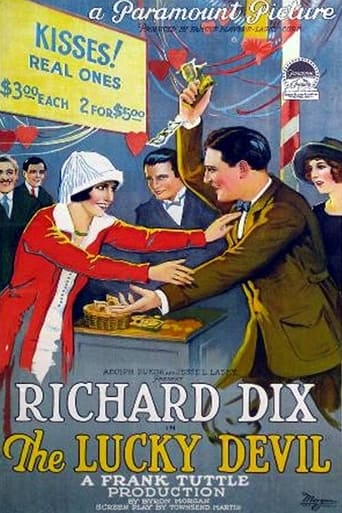
About Mary Foy
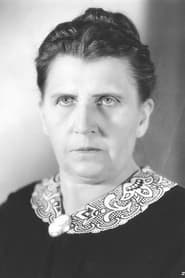
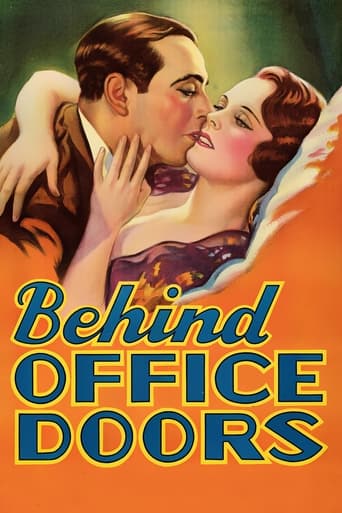
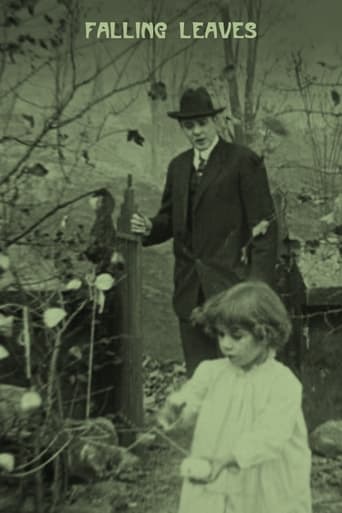
American actress: nearly two decades during the transformative period from silent cinema to early sound films. Born in New York City in 1889, she entered the burgeoning film industry during its formative years, appearing in numerous short films and features throughout the 1910s and 1920s. Foy worked with directors like Alice Guy-Blaché, appearing in her acclaimed film 'Falling Leaves' (1912), which showcased her ability to convey emotion through the subtle techniques required by silent film performance. Her career continued through the 1920s, including a notable appearance in the comedy 'It's the Old Army Game' (1926) alongside W.C. Fields and Louise Brooks. Foy successfully transitioned to sound films in the early 1930s, appearing in 'Behind Office Doors' (1931), though her film career appears to have concluded around this time. Her body of work represents the journey of countless character actresses who were essential to the fabric of early Hollywood cinema, often playing supporting roles that provided crucial context and depth to the narratives.
The Craft
On Screen
As a silent film actress, Mary Foy employed exaggerated gestures and facial expressions to convey emotion, which was the standard technique of the era. Her performances demonstrated the ability to communicate complex emotions without dialogue, relying heavily on body language and expressive eyes. In her later sound film appearances, she adapted to the more naturalistic acting style required by talkies, showcasing her versatility as a performer across both mediums.
Milestones
- Appeared in 'Falling Leaves' (1912) directed by filmmaker Alice Guy-Blaché
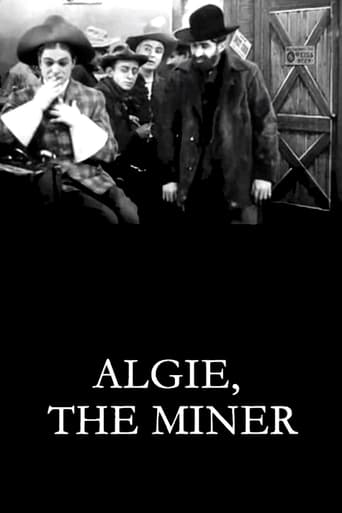
- Starred in 'Algie, the Miner' (1912), an early silent Western comedy
- Featured in W.C. Fields comedy 'It's the Old Army Game' (1926)
- Successfully transitioned from silent to sound films in the early 1930s
- Worked across multiple film studios during the golden age of silent cinema
Best Known For
Iconic Roles
Must-See Films
Working Relationships
Worked Often With
Studios
Why They Matter
Impact on Culture
Mary Foy represents the countless character actresses who were essential to the fabric of early Hollywood cinema. Her work with directors like Alice Guy-Blaché places her within the historical context of women's significant contributions to early filmmaking. Her successful transition from silent to sound films exemplifies the adaptability required of actors during this revolutionary period in cinema history. While not a major star, her body of work contributes to our understanding of the supporting cast that made the golden age of Hollywood possible.
Lasting Legacy
Mary Foy's legacy lies in her contribution to the early development of American cinema, particularly during the silent era. Her appearances in historically significant films like 'Falling Leaves' ensure her place in film history as part of the foundation upon which modern cinema was built. As one of the many working actresses of her time, she represents the dedication and craft of performers who helped establish the language of film acting.
Who They Inspired
While Mary Foy was not a major star who directly influenced subsequent generations of actors, her work in early cinema contributed to the development of film acting techniques. Her performances in silent films helped establish the visual language of emotion that would evolve into the more nuanced acting styles of later decades.
Off Screen
Mary Foy was born and raised in New York City before pursuing her career in the emerging film industry. She lived through the dramatic transition from silent films to talkies, witnessing firsthand the evolution of cinema. After her film career ended in the early 1930s, she appears to have lived a private life away from the spotlight. She passed away in 1963 at the age of 74, having witnessed the complete transformation of the film industry she had participated in during its formative years.
Did You Know?
- Appeared in 'Falling Leaves' (1912), directed by Alice Guy-Blaché, one of the first female filmmakers
- Worked during the transitional period when films evolved from shorts to feature-length productions
- Her film active years covered both the silent era and the beginning of the sound era
- Appeared in 'It's the Old Army Game' (1926) with comedy legend W.C. Fields
- The film 'Falling Leaves' (1912) is preserved in the Library of Congress
- Her career began just as the American film industry was establishing itself as a major cultural force
- She witnessed the complete technological revolution that transformed cinema from silent to sound
- Like many character actresses of her era, she often played roles that were crucial to story development but went uncredited
Frequently Asked Questions
Who was Mary Foy?
American actress who worked in silent films and early talkies from 1912 to 1931. She appeared in numerous films including 'Falling Leaves' (1912), 'Algie, the Miner' (1912), 'It's the Old Army Game' (1926), and 'Behind Office Doors' (1931).
What films is Mary Foy best known for?
Titles linked here include Falling Leaves (1912), Algie, the Miner (1912).
When was Mary Foy born and when did she die?
Born January 24, 1889; died October 22, 1963.
What awards did Mary Foy win?
There are no records of Mary Foy receiving major awards or nominations during her career. Like many character actresses of her era, her contributions were primarily through her work rather than formal recognition.
What was Mary Foy's acting style?
Mary Foy's acting style evolved with the times - she began with the exaggerated gestures typical of silent film acting, using facial expressions and body language to convey emotion. She later adapted to the more naturalistic style required by sound films, demonstrating her versatility as a performer.
Did Mary Foy work with any notable directors or actors?
Yes, Mary Foy worked with filmmaker Alice Guy-Blaché on 'Falling Leaves' (1912), and appeared alongside comedy legend W.C. Fields and actress Louise Brooks in 'It's the Old Army Game' (1926).