Anita Page
Actor
Born: August 4, 1910 in Flushing, Queens, New York, USA Died: September 6, 2008 Active: 1924-1936, 1996-2008 Birth Name: Anita Evelyn Pomares
Films
7 films

About Anita Page
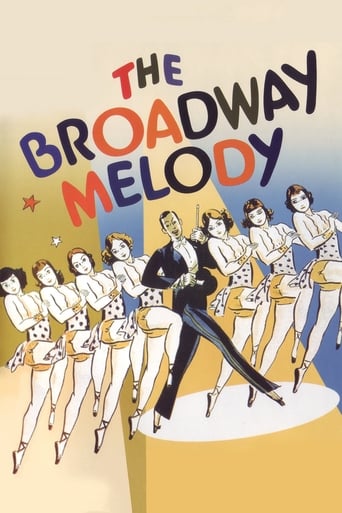
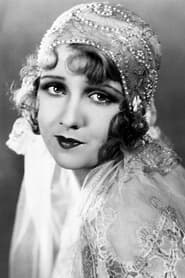
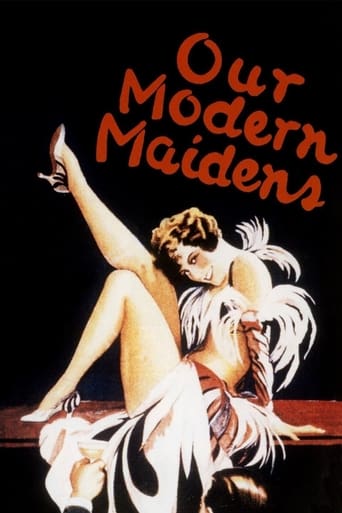
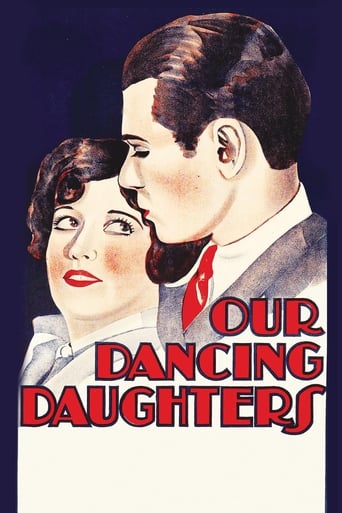
Anita Page was one of MGM's brightest stars during the transition from silent films to talkies, becoming popular actresses of the late 1920s. Born Anita Evelyn Pomares, she began her film career as an extra in 1924 and quickly rose to stardom, earning the nickname 'the girl with the most beautiful legs in Hollywood.' Her breakthrough came with 'Our Dancing Daughters' (1928), which established her as a major box-office draw and led to her becoming MGM's highest-paid actress by 1929. Page successfully navigated the challenging transition to sound films, starring in 'The Broadway Melody' (1929), the first all-talking musical to win the Academy Award for Best Picture. After marrying composer Nacio Herb Brown in 1934, she gradually reduced her film appearances and retired from acting in 1936 to focus on her family. Remarkably, she made a comeback to acting after a 60-year hiatus, appearing in independent films during the 1990s and 2000s, making her one of the few surviving stars from the silent era until her death in 2008.
The Craft
On Screen
Page was known for her naturalistic and emotionally sincere acting style that worked effectively in both silent and sound films. She possessed a wholesome, girl-next-door appeal that resonated strongly with audiences during the late 1920s. Her performances were characterized by their authenticity and genuine emotional expression, which helped her navigate the challenging transition from pantomime-based silent acting to the more nuanced requirements of sound cinema. Unlike many of her contemporaries who struggled with the transition, Page's clear diction and natural delivery made her ideally suited for talkies.
Milestones
- Became MGM's highest-paid actress in 1929
- Starred in the first all-talking musical to win Best Picture ('The Broadway Melody')
- Successfully transitioned from silent films to talkies
- Made a remarkable comeback after a 60-year hiatus from acting
- One of the last surviving stars from the silent film era
Best Known For
Iconic Roles
Must-See Films
Accolades
Won
- Hollywood Walk of Fame Star (1960)
Special Recognition
- Hollywood Walk of Fame Star at 6116 Hollywood Boulevard
- Named WAMPAS Baby Star in 1928
- Recognized as one of the last surviving silent film stars
Working Relationships
Worked Often With
Studios
Why They Matter
Impact on Culture
Anita Page represents a crucial bridge between the silent era and the sound era in Hollywood cinema. Her successful transition to talkies demonstrated that silent film stars could adapt to the new medium, contrary to the fate of many of her contemporaries. As one of the few actresses who successfully made this transition while maintaining her stardom, she became a model for how to evolve with changing technology in the entertainment industry. Her films, particularly 'The Broadway Melody,' helped establish the musical as a legitimate and popular film genre, influencing countless subsequent productions. Her later comeback also demonstrated that classic Hollywood stars could find new audiences decades after their initial fame.
Lasting Legacy
Anita Page's legacy endures as one of the last authentic links to Hollywood's golden age of silent cinema and the revolutionary transition to sound. Her films remain important historical documents that capture the excitement and uncertainty of this transformative period in film history. As one of the few surviving silent era stars into the 21st century, she served as a living connection to cinema's earliest days, providing invaluable firsthand accounts of Hollywood's formative years. Her career trajectory—from teenage stardom to retirement and eventual comeback—illustrates the changing nature of celebrity and the enduring appeal of classic Hollywood performers.
Who They Inspired
Page influenced subsequent generations of actresses by demonstrating how to successfully navigate major technological changes in the film industry. Her natural acting style in both silent and sound films helped establish a more realistic approach to screen acting that would become standard in later decades. Her success in musicals helped pave the way for future musical film stars, and her ability to maintain popularity during the industry's most tumultuous period provided a blueprint for career longevity in Hollywood's ever-changing landscape.
Off Screen
Page married composer Nacio Herb Brown in 1934, who was 23 years her senior and wrote many famous songs including 'Singin' in the Rain.' The couple had two daughters, Sandra and Linda. After Brown's death in 1964, Page largely stayed out of the public eye until her film career revival in the 1990s. She lived quietly in California for many years, occasionally giving interviews about her Hollywood career and the transition from silent to sound films.
Education
Attended Washington Irving High School in New York City before moving to Hollywood
Family
- Nacio Herb Brown (1934-1964, until his death)
Did You Know?
- Was nicknamed 'the girl with the most beautiful legs in Hollywood' during her peak fame
- At one point in 1929, she received more fan mail than any other star in Hollywood
- Was one of the first stars to successfully transition from silent films to talkies
- Made a comeback to acting after a 60-year absence, appearing in films in her 80s
- Her husband Nacio Herb Brown wrote 'Singin' in the Rain,' though it wasn't in the film of the same name
- Was discovered after winning a beauty contest in New York
- Turned down the lead role in 'The Big Trail' (1930), which went to Mary Astor and helped launch John Wayne's career
- Was one of the WAMPAS Baby Stars of 1928, an annual selection of promising young actresses
- Appeared in the first all-talking musical to win Best Picture
- Lived to be 98, making her one of the longest-lived stars from the silent era
In Their Own Words
In the silents, you had to use your eyes and your body. In the talkies, you had to use your voice. It was a whole new way of acting.
I was the highest-paid star at MGM in 1929. Can you imagine that? A little girl from Queens making more money than Greta Garbo!
The transition to sound was terrifying for many actors, but I loved it. I could finally use my voice to express what I was feeling.
Hollywood was a magical place in those days. We were making history and we didn't even know it.
I never thought I'd be acting again at my age, but it's wonderful to still be doing what I love.
Frequently Asked Questions
Who was Anita Page?
Popular American actress who rose to fame during the late 1920s as one of MGM's biggest stars. She successfully transitioned from silent films to talkies and was known for films like 'Our Dancing Daughters' and 'The Broadway Melody,' becoming one of the highest-paid actresses in Hollywood by 1929.
What films is Anita Page best known for?
Titles linked here include Our Dancing Daughters (1928), The Broadway Melody (1929).
When was Anita Page born and when did she die?
Born August 4, 1910; died September 6, 2008.
What awards did Anita Page win?
While Anita Page didn't receive major acting awards during her career, she was honored with a star on the Hollywood Walk of Fame in 1960. She was also named a WAMPAS Baby Star in 1928, recognizing her as one of the year's most promising young actresses.
What was Anita Page's acting style?
Anita Page was known for her naturalistic and emotionally sincere acting style that worked effectively in both silent and sound films. She possessed a wholesome, girl-next-door appeal and had clear diction that made her ideally suited for talkies, helping her successfully navigate the transition from silent cinema.
Did Anita Page retire from acting?
Yes, Anita Page retired from acting in 1936 after marrying composer Nacio Herb Brown to focus on her family. However, she made a remarkable comeback to acting in the 1990s after a 60-year hiatus, appearing in several independent films until shortly before her death in 2008.