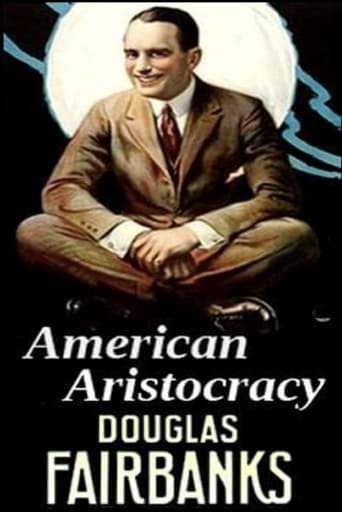
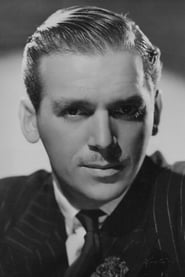
Douglas Fairbanks Jr.
Actor
Born: December 9, 1909 in New York City, New York, USA Died: May 7, 2000 Active: 1916-1980s Birth Name: Douglas Elton Fairbanks Jr.
Films
10 films

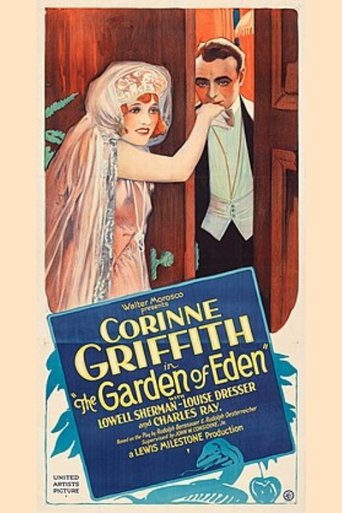
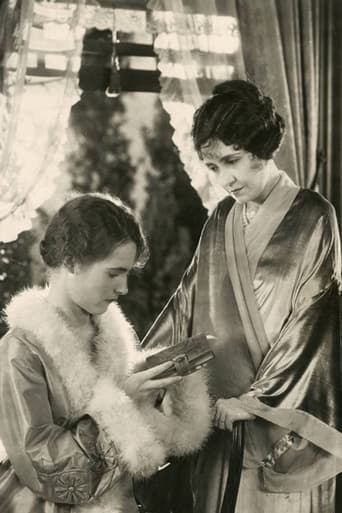

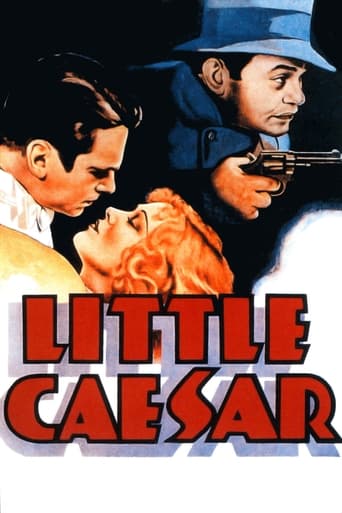
About Douglas Fairbanks Jr.
Douglas Fairbanks Jr. Was born on December 9, 1909, in New York City as the only son of silent film legend Douglas Fairbanks Sr. He began his acting career as a child in 1916, appearing in silent films alongside his father and establishing himself as a promising young talent. During the transition to sound films, Fairbanks Jr. Successfully carved out his own identity separate from his famous father, becoming known for sophisticated roles in adventure films and romantic dramas. His career was interrupted by World War II, during which he served with distinction in the U.S. Navy, participating in special operations and earning multiple military decorations. After the war, he returned to Hollywood and later became a pioneer in television production. Throughout his career, he was renowned for his charm, athletic ability in swashbuckling roles, and his embodiment of the gentleman adventurer archetype. He remained active in entertainment into the 1980s, appearing in films and television shows while also writing his memoirs. Fairbanks Jr. Passed away on May 7, 2000, at the age of 90, leaving behind a legacy as both a Hollywood star and a decorated military officer.
The Craft
On Screen
Fairbanks Jr. Developed a sophisticated, debonair screen persona that combined athletic prowess with gentlemanly charm. Unlike his father's more exuberant, athletic style, Douglas Jr. Favored a more restrained, refined approach with subtle wit and elegance. He excelled in swashbuckling roles where his natural athleticism and fencing skills could shine, but also demonstrated dramatic range in romantic and dramatic films. His acting evolved from the broad gestures of silent film to the nuanced performances required by sound cinema, making a successful transition that many of his contemporaries struggled to achieve.
Milestones
- Breakthrough role in 'The Power of the Press' (1928)
- Academy Award nomination for 'Morning Glory' (1933)
- Marriage to Joan Crawford (1933-1937)
- Major swashbuckling stardom in the late 1930s
- WWII naval service (1941-1945)
- Post-war television production career
- Publication of memoirs 'The Salad Days' (1988) and 'A Hell of a War' (1993)
Best Known For
Iconic Roles
Must-See Films
Accolades
Won
- Academy Award nomination for Best Actor for 'Morning Glory' (1933)
- Silver Star (military decoration)
- Bronze Star (military decoration)
- Flying Cross (military decoration)
- Legion of Merit (military decoration)
- British Service Cross (military decoration)
- French Croix de Guerre (military decoration)
Nominated
- Academy Award for Best Actor - 'Morning Glory' (1933)
Special Recognition
- Hollywood Walk of Fame star at 6423 Hollywood Blvd
- Knight of the Order of the British Empire (KBE) - honorary
- Inducted into International Mustache Hall of Fame (2015)
Working Relationships
Worked Often With
Studios
Why They Matter
Impact on Culture
Douglas Fairbanks Jr. Represented the evolution of Hollywood from the silent era through the Golden Age, successfully transitioning from child actor to leading man while establishing his own identity apart from his famous father. He embodied the sophisticated, cosmopolitan American hero of the 1930s and 1940s, combining athletic prowess with intellectual refinement. His military service during WWII set him apart from many of his contemporaries, demonstrating real heroism that contrasted with his on-screen adventures. Fairbanks Jr. Helped define the swashbuckling genre for the sound era, influencing generations of action heroes. His later work in television production contributed to the growth of that medium in the 1950s and 1960s.
Lasting Legacy
Douglas Fairbanks Jr.'s legacy encompasses both his contributions to cinema and his military service. He is remembered as. Unlike many stars of his era, he successfully reinvented himself multiple times, from child actor to matinee idol to war hero to television producer. His memoirs provide valuable insights into both Hollywood's golden age and WWII naval operations. Fairbanks Jr. Is also remembered for maintaining his dignity and integrity throughout his long career and life, serving as a bridge between the founding generation of Hollywood and modern entertainment.
Who They Inspired
Fairbanks Jr. Influenced subsequent generations of actors through his sophisticated approach to action roles and his ability to combine physicality with intellectual charm. His success in swashbuckling films paved the way for actors like Errol Flynn and Tyrone Power, while his transition to television production demonstrated how film stars could adapt to new media. His military service inspired other celebrities to serve their country during wartime. His memoirs have become important historical documents for understanding both Hollywood's golden age and naval operations during WWII.
Off Screen
Douglas Fairbanks Jr. Was born into Hollywood royalty as the son of silent film superstar Douglas Fairbanks Sr. And actress Anna Beth Sully. His parents divorced when he was young, and he was raised primarily by his mother after his father's marriage to Mary Pickford. He married three times: first to actress Joan Crawford (1933-1937), then to socialite Mary Lee Hartford (1939-1971), and finally to Vera Shelton (1971-2000). He had two daughters with his second wife: Kelly Fairbanks and Melissa Fairbanks, both of whom worked in entertainment. Beyond his film career, Fairbanks was an accomplished yachtsman, spoke multiple languages fluently, and was a decorated naval officer who served with distinction during World War II.
Education
Attended the Lawrenceville School in New Jersey, later enrolled at Harvard University but left before graduating to pursue his acting career
Family
- Joan Crawford (1933-1937)
- Mary Lee Hartford (1939-1971)
- Vera Shelton (1971-2000)
Did You Know?
- He was the only son of silent film legend Douglas Fairbanks Sr. And was often called 'Junior' to distinguish him from his father
- He served as a special operations commander during WWII, leading raids behind enemy lines and earning the Silver Star for gallantry
- He was a skilled yachtsman who won several transatlantic races
- Fluent in French, Spanish, and Italian, he often served as an interpreter during his military service
- He turned down the role of Ashley Wilkes in 'Gone with the Wind'
- His marriage to Joan Crawford was one of Hollywood's most talked-about relationships in the 1930s
- He was a close friend of the British royal family, particularly Prince Philip, Duke of Edinburgh
- He was offered the presidency of the Academy of Motion Picture Arts and Sciences but declined
- He was an accomplished painter whose works were exhibited in galleries
- He was one of the first Hollywood stars to serve in combat during WWII
In Their Own Words
"My father was a great star. I was merely a good actor. There's a difference." - on comparing himself to his father
"I learned early that the best way to deal with being Douglas Fairbanks' son was to be the best Douglas Fairbanks Jr. I could be."
"Hollywood is a place where they'll pay you a thousand dollars for a kiss and fifty cents for your soul."
"War is a terrible thing, but there are times when it's necessary. I'm proud of my service."
"The trick in life is to grow old without growing old."
Frequently Asked Questions
Who was Douglas Fairbanks Jr.?
American with credits in this catalog. He was the son of silent film legend Douglas Fairbanks Sr. And became famous in his own right for swashbuckling adventure films and sophisticated romantic dramas.
What films is Douglas Fairbanks Jr. Best known for?
Titles linked here include The Prisoner of Zenda (1937), Gunga Din (1939).
When was Douglas Fairbanks Jr. Born and when did he die?
Born December 9, 1909; died May 7, 2000.
What awards did Douglas Fairbanks Jr. Win?
He received an Academy Award nomination for Best Actor for 'Morning Glory' (1933) and earned numerous military decorations including the Silver Star, Bronze Star, Flying Cross, and Legion of Merit for his WWII service.
What was Douglas Fairbanks Jr.'s acting style?
Fairbanks Jr. Was known for his sophisticated, debonair screen presence combined with athletic prowess. Unlike his father's more exuberant style, he favored refined, elegant performances with subtle wit and charm, excelling particularly in swashbuckling adventure roles.
How did Douglas Fairbanks Jr. Serve in World War II?
He served with distinction in the U.S. Navy as a special operations commander, leading dangerous raids behind enemy lines. He earned multiple military decorations including the Silver Star and British Service Cross for his wartime service.
Was Douglas Fairbanks Jr. Married to Joan Crawford?
Yes, Douglas Fairbanks Jr. Was married to actress Joan Crawford from 1933 to 1937. Their marriage was one of Hollywood's most high-profile relationships during the 1930s.
How did Douglas Fairbanks Jr. Differ from his famous father?
While both were successful actors, Fairbanks Jr. Developed a more sophisticated and restrained acting style compared to his father's exuberant, athletic performances. He also himself through military service and later work in television production, creating his own legacy separate from his father's silent film stardom.