


7th Heaven
"Frank Borzage's Paris sewer worker saves a waif."
Keys: Space play/pause · ←/→ 10s · F fullscreen · M mute · </> speed
About this film
In 1910s Paris, a sewer worker disillusioned with Christianity feels his prayers have been answered when he chances upon a street waif and they fall in love.
Cast & crew
More films like this

More Drama films
View all →







More from Frank Borzage
View all →
More about this film
About the production
Release dateMay 7, 1927
Budget$379,000
Box office$2,500,000 (domestic)
ProductionFox Film Corporation
Filmed inFox Studio Lot, West Los Angeles, California, USA
The film featured elaborate sets including a detailed recreation of a Parisian street and Chico's iconic seven-story building. The staircase scenes were particularly challenging to film, requiring careful camera placement and choreography. The war sequences used innovative techniques including miniature models and matte paintings to create realistic battle scenes. The film's title '7th Heaven' refers to Chico's attic apartment on the seventh floor, which becomes a metaphor for their elevated love.
Themes
Redemption through loveFaith and spiritualityClass differencesThe transcendent power of romanceWar and separation
Themes & topics
ParisWorld War Isewer workerprostituteattic apartmentromanceredemptionwar separationspiritual loveclass differencespovertyfaithmarriageblindnessreunion
Historical background
7th Heaven (1927) reached screens through Fox Film Corporation. Exhibitors of the time built silent-era bills that mixed shorts, features, and live acts, so a clear premise helped 7th Heaven travel between cities and exchange markets.
Why this film matters
Archivists and revival programmers still cite 7th Heaven (1927) when tracing studio habits, casting pools, and the visual rhetoric audiences once took for granted. Even modest surviving prints help map how 7th Heaven fit beside competing releases of its day.
Making of
The production of '7th Heaven' was marked by careful attention to atmospheric detail and emotional authenticity. Director Frank Borzage worked closely with cinematographer Ernest Palmer to create a visual style that emphasized the spiritual and transcendent nature of the love story. The famous staircase scenes required innovative camera techniques, including the use of a specially constructed crane to follow the characters up and down the seven flights. Janet Gaynor prepared for her role by studying the mannerisms and hardships of Parisian street women of the era. Charles Farrell, who had been a professional football player before acting, underwent extensive training to convincingly portray the physically demanding role of a sewer worker. The film's emotional climax was achieved through careful pacing and the use of symbolic lighting, with the attic apartment bathed in heavenly light during key romantic moments. The war sequences were filmed using a combination of full-scale sets, miniatures, and innovative matte painting techniques to create realistic battle scenes on a studio budget.
What critics said
Trade coverage around 1927 discussed 7th Heaven for pacing, clarity, and program fit rather than blockbuster grosses. Later writers value it as evidence of period style and as a reference point beside other films from the same era.
Did you know?
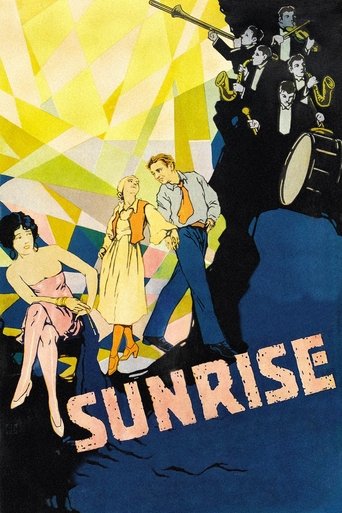
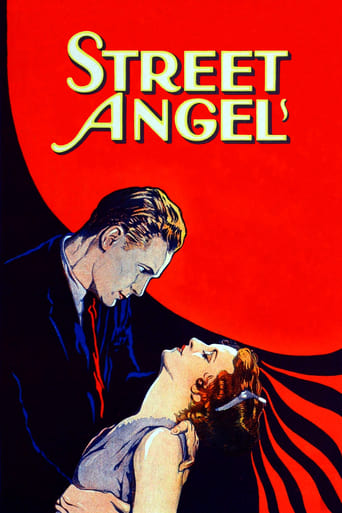
- Won the Academy Award for Best Actress (Janet Gaynor) at the very first Academy Awards ceremony in 1929, where she won for her performances in three films: '7th Heaven,' 'Sunrise,' and 'Street Angel.'
- Won the Academy Award for Best Director (Dramatic Picture) for Frank Borzage at the first Oscars.
- Won the Academy Award for Best Adaptation (Benjamin Glazer).
- Was selected for preservation in the National Film Registry in 1995 for being culturally, historically, or aesthetically significant.
- Janet Gaynor and Charles Farrell became especially popular screen couples of the late 1920s, starring in 12 films together.
- The film was remade as a sound film in 1937 starring James Stewart and Simone Simon.
- The staircase in Chico's building became so iconic that it was recreated for the 1937 remake.
- Frank Borzage's direction emphasized spiritual and romantic transcendence, becoming his signature style.
- The film's success helped establish Fox Film Corporation as a major studio.
- The war sequences were considered groundbreaking for their realistic portrayal of World War I combat.
Awards & recognition
- Academy Award for Best Actress (Janet Gaynor) - 1929 (for '7th Heaven,' 'Sunrise,' and 'Street Angel')
- Academy Award for Best Director (Dramatic Picture) (Frank Borzage) - 1929
- Academy Award for Best Adaptation (Benjamin Glazer) - 1929
- Academy Award for Best Picture (Unique and Artistic Production) - 1929
Visual style
The cinematography of '7th Heaven,' executed by Ernest Palmer, was revolutionary for its time and remains visually stunning today. Palmer employed innovative lighting techniques to create distinct visual atmospheres for different settings - the dark, gritty world of the Parisian sewers contrasted with the ethereal, heavenly light of the attic apartment. The film features groundbreaking use of chiaroscuro lighting to emphasize the spiritual journey of the characters. The famous staircase sequences were filmed using a specially designed camera rig that allowed for smooth vertical movement, creating a sense of ascent toward redemption. Palmer utilized soft focus techniques to enhance the romantic scenes, particularly in close-ups of Gaynor and Farrell, creating a dreamlike quality that emphasized their transcendent love. The war sequences employed multiple camera angles and rapid cutting to create visceral battle scenes that were unusually realistic for the time. The cinematography also made effective use of shadows and silhouettes, particularly in the street scenes of Paris, creating a visual poetry that enhanced the emotional narrative. Palmer's work on '7th Heaven' was nominated for an Academy Award and influenced the visual style of romantic films for decades to come.
Innovations
'7th Heaven' showcased several technical achievements that advanced the art of filmmaking in 1927. The film's most notable technical innovation was its use of the Schüfftan process for creating the illusion of the seven-story building, allowing actors to appear to be climbing great heights on a studio set. The war sequences featured groundbreaking special effects using miniature models and forced perspective to create realistic battle scenes. The film employed innovative matte painting techniques to extend the Parisian street sets, creating the illusion of a vast cityscape. The lighting design by Ernest Palmer introduced new techniques for creating spiritual atmosphere through the use of backlighting and diffusion filters. The film's editing, particularly in the war sequences, used rapid cutting techniques that were ahead of their time, creating a sense of chaos and urgency that enhanced the dramatic impact. The sound effects added in the 1928 re-release version were among the first synchronized sound effects in a major feature film, demonstrating the transition to sound technology. The set design by Harry Oliver created the iconic seven-story building that became a technical marvel of studio construction, featuring working elevators and detailed interior spaces that could be filmed from multiple angles. These technical achievements earned the film Academy Award nominations for both cinematography and art direction, recognizing its contributions to the technical art of cinema.
Music
As a silent film, '7th Heaven' was originally accompanied by a musical score performed live in theaters. The original score was composed by Ernö Rapée, Fox Film Corporation's music director, who created a lush orchestral composition that enhanced the film's emotional journey. The music featured leitmotifs for the main characters - a tender, romantic theme for Chico and Diane's love, and a more somber, spiritual theme for moments of redemption and faith. The score made innovative use of popular French songs of the period to establish the Parisian setting, including adaptations of works by composers like Debussy and Ravel. For the war sequences, Rapée composed dramatic, percussive music that heightened the tension and horror of battle scenes. The musical accompaniment varied by theater size and budget, with larger cinemas offering full orchestral performances while smaller venues used piano or organ accompaniment. When the film was re-released in later years, new scores were created, including a version with synchronized sound effects added in 1928 as theaters transitioned to sound. Modern restorations of the film feature newly composed scores by contemporary silent film composers, most notably a 2005 version by the Mont Alto Motion Picture Orchestra that attempts to recreate the style and instrumentation of the original 1927 accompaniment.
Famous quotes
Up there... in my attic... it's the seventh heaven!
I don't believe in God... but I believe in you!
We'll be married tomorrow... and the day after... and forever!
Even in the mud of the trenches, I can see your face!
Love is the only heaven we have on earth!
I was blind... but now I see... with my heart!
Memorable scenes
- The opening sequence where Chico climbs the seven flights of stairs to his attic apartment, establishing the film's central metaphor of ascent toward heaven.
- The scene where Chico first brings Diane to his apartment, their initial hostility gradually melting into tenderness as he offers her protection.
- The wedding scene in the attic, with the makeshift altar and the symbolic lighting that transforms the humble space into a sacred place.
- The war sequences showing Chico in the trenches, intercut with Diane working in the munitions factory, their love sustaining them across the distance.
- The emotional climax where Chico returns home, blinded but alive, and Diane recognizes him through touch and love rather than sight.
- The final scene with the couple in their attic, the heavenly light streaming through the window as they embrace, having found their true seventh heaven on earth.
What audiences thought
Audiences in 1927 embraced '7th Heaven' with extraordinary enthusiasm, making it one of the biggest box office hits of the year. The film's emotional power and romantic idealism resonated deeply with viewers, many of whom attended multiple screenings. The chemistry between Janet Gaynor and Charles Farrell created a sensation, with fan magazines of the era receiving thousands of letters from admirers. The film's success led to increased demand for romantic dramas and established the genre as a reliable box office draw. Contemporary audience reports described emotional reactions ranging from tears to standing ovations during screenings. The film's portrayal of enduring love through the hardship of war particularly moved viewers who had experienced World War I or had family members who served. The film's popularity extended beyond the United States, with successful runs in Europe and other international markets. Modern audiences who discover '7th Heaven' through revivals and home video continue to respond to its emotional power, with many noting how the silent format enhances rather than detracts from the romantic narrative. The film's ability to create intense emotional engagement through visual storytelling continues to captivate viewers nearly a century after its release.
Film connections
Influenced by
- Earlier romantic melodramas of the 1920s
- German expressionist cinema for its use of light and shadow
- Victor Hugo's 'Les Misérables' for its themes of redemption and class differences
- Contemporary Parisian literature and theater
- The spiritual cinema of D.W. Griffith
This film influenced
- A Farewell to Arms (1932)
- Camille (1936)
- Love Story (1970)
- The Notebook (2004)
- Atonement (2007)
- The Great War romantic films of the 1930s
- Frank Borzage's subsequent romantic films including 'Street Angel' and 'Lucky Star'
Film restoration
Preserved in the National Film Registry (1995). The film survived the transition from silent to sound era and has been restored by major film archives including the Museum of Modern Art and the UCLA Film and Television Archive. A comprehensive restoration was completed in 2005 by Fox and the Museum of Modern Art, which included the reconstruction of original tints and title cards. The restoration also featured a newly recorded musical score based on the original 1927 cue sheets. The film exists in its complete form and is regularly screened at film festivals and revival houses. Multiple high-quality digital transfers are available for both theatrical and home viewing.
Where to watch
- Available on Blu-ray and DVD from The Criterion Collection
- Streaming on The Criterion Channel
- Available for digital rental or purchase on Amazon Prime Video
- Occasionally screened at film revival houses and museums including the Museum of Modern Art
- Available on some classic film streaming services like Fandor
- Included in some Fox/MGM home video collections of classic films