
Janet Gaynor
Actor
Born: October 6, 1906 in Philadelphia, Pennsylvania, USA Died: September 14, 1984 Active: 1924-1958 (most active 1924-1937) Birth Name: Laura Augusta Gainor
Films
10 films

About Janet Gaynor
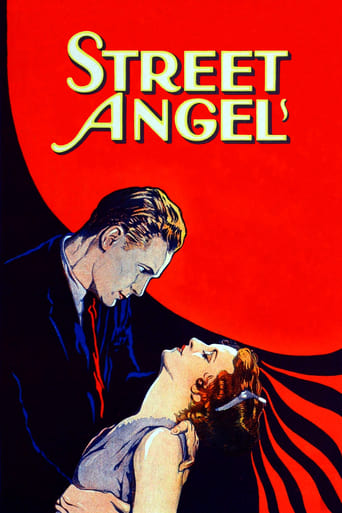
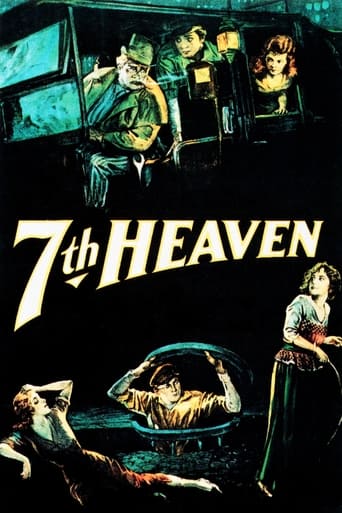
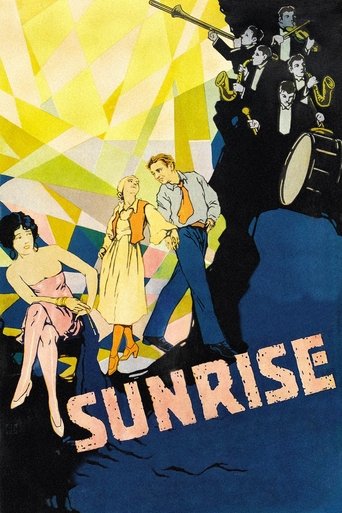
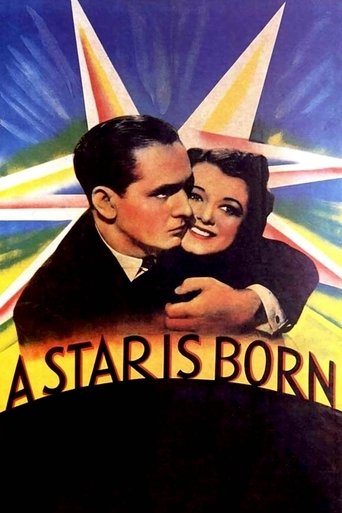
Janet Gaynor was actresses of the late silent era and early sound period, beginning her career in short films in 1924 before quickly rising to stardom at Fox Film Corporation. Her breakthrough came with three critically acclaimed films in 1927-1928: '7th Heaven,' 'Sunrise,' and 'Street Angel,' for which she made history by winning the very first Academy Award for Best Actress. Gaynor successfully navigated the challenging transition from silent to sound films, demonstrating remarkable versatility with her natural, understated acting style that resonated with audiences in both mediums. Throughout the 1930s, she became one of Hollywood's highest-paid and most beloved stars, delivering memorable performances in films like 'A Star Is Born' (1937). After marrying renowned costume designer Adrian in 1939, she largely retired from acting to focus on family life, though she made occasional appearances in later years. Her career, spanning from 1924 to 1958, on cinema history, particularly for her role in establishing the Academy Awards and her approach to film acting.
The Craft
On Screen
Janet Gaynor pioneered a naturalistic and understated performance style that emphasized emotional authenticity over theatrical gestures, making her particularly effective in both silent and sound films. She possessed a delicate, vulnerable screen presence that audiences found endearing, and she could convey complex emotions with subtle facial expressions and minimal movement. Her approach was ahead of its time, moving away from the exaggerated acting common in silent films toward a more realistic style that would become standard in sound cinema. Directors often praised her ability to internalize emotions and project them through her eyes, creating an intimate connection with the camera and audience.
Milestones
- First Academy Award winner for Best Actress (1929)
- Starred in the original 'A Star Is Born' (1937)
- Successfully transitioned from silent to sound films
- One of the highest-paid actresses of the 1930s
- Made history by winning Oscar for three films in one year
Best Known For
Iconic Roles
Must-See Films
Accolades
Won
- Academy Award for Best Actress (1929) - for 7th Heaven, Sunrise, and Street Angel
- Golden Globe Henrietta Award for World Film Favorite (1951)
- Photoplay Gold Medal for Favorite Female Star (1937)
Nominated
- Academy Award nomination for Best Actress (1938) for A Star Is Born
- Venice Film Festival Volpi Cup nomination (1937) for A Star Is Born
Special Recognition
- Hollywood Walk of Fame star at 6284 Hollywood Boulevard
- First recipient of the Academy Award for Best Actress
- Fox Film Corporation's top star for multiple years in the 1920s and 1930s
Working Relationships
Worked Often With
Studios
Why They Matter
Impact on Culture
Janet Gaynor's impact on cinema was profound and multifaceted, beginning with her historic achievement as the first actress to win an Academy Award, which immediately established her as a figure in Hollywood. Her successful transition from silent films to talkies demonstrated that silent film stars could adapt to the new medium, contrary to the fate of many of her contemporaries, providing a template for others to follow. The 1937 version of 'A Star Is Born,' in which she delivered a career-defining performance, became a classic Hollywood narrative that would be remade multiple times, cementing her place in film history. Her naturalistic acting style influenced the evolution of film performance, helping move the medium away from theatricality toward realism, setting standards that would become increasingly important as cinema matured. Gaynor also represented the ideal Hollywood star of her era - talented, graceful, and maintaining a wholesome public image that made her beloved by audiences worldwide.
Lasting Legacy
Janet Gaynor's legacy endures as a foundational figure in Hollywood history, remembered not only as the first Best Actress winner but as a versatile performer who embodied the transition from silent to sound cinema. Her films, particularly 'Sunrise' (often cited as one of the greatest films ever made) and 'A Star Is Born,' continue to be studied and celebrated by film scholars and enthusiasts, with 'Sunrise' being preserved in the National Film Registry. The natural acting style she championed became increasingly influential as cinema evolved, setting standards that future generations of actors would follow. Her decision to retire at the height of her fame to focus on family life also made her a role model for work-life balance in an industry that often demands total dedication. Gaynor's name remains synonymous with the golden age of Hollywood, representing both artistic excellence and personal integrity.
Who They Inspired
Gaynor's understated, emotionally authentic approach to performance influenced numerous actors who followed, particularly those who valued subtlety over theatricality. Her success in both silent and sound films provided a blueprint for other performers facing the challenging transition to talkies, demonstrating that the key was adapting one's style rather than abandoning it entirely. Directors like Frank Borzage and F.W. Murnau helped shape her style, but in turn, she influenced their approach to capturing natural emotion on camera, particularly in intimate scenes. Later actresses, including Judy Garland (who would star in the 1954 remake of 'A Star Is Born'), Grace Kelly, and Audrey Hepburn, all cited Gaynor as an influence for her ability to convey vulnerability and strength simultaneously. Her impact extended beyond acting to influence how Hollywood studios approached the development of young talent, emphasizing the importance of natural ability over formal training.
Off Screen
Janet Gaynor led a relatively private life compared to many Hollywood stars of her era. She married twice - first to producer Jesse Lasky Jr. From 1935 to 1939, and then to renowned costume designer Adrian (born Adrian Greenberg) from 1939 until his death in 1959. She had one son, Robin Gaynor Adrian, born in 1940. After her second marriage, she largely retired from acting to focus on family life and pursue other interests. In her later years, she became an accomplished painter and philanthropist. In 1982, she was seriously injured in a car accident in San Francisco that also killed her close friend Mary Martin, but Gaynor survived and lived another two years before passing away from pneumonia at age 77.
Education
Attended North Division High School in Milwaukee, Wisconsin; later studied at the American Academy of Dramatic Arts in New York City
Family
- Jesse Lasky Jr. (1935-1939)
- Adrian (1939-1959)
Did You Know?
- She was the first person to win an Academy Award for Best Actress in 1929
- Her Oscar win was for three films: '7th Heaven,' 'Sunrise,' and 'Street Angel'
- She was only 5'0" tall, which sometimes required special camera angles
- She was an accomplished painter in her later years, with her work exhibited in galleries
- She survived a serious car accident in 1982 that killed her friend Mary Martin
- Her birth name was Laura Augusta Gainor
- She earned $250,000 per film at the height of her career (equivalent to over $4 million today)
- She was one of the few silent stars to successfully transition to sound films
- She turned down the role of Melanie in 'Gone with the Wind'
- Her husband Adrian designed costumes for many Hollywood classics including 'The Wizard of Oz' and 'Camille'
- She was discovered after winning a talent contest at age 17
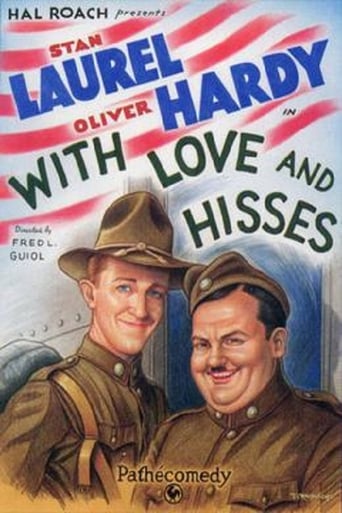
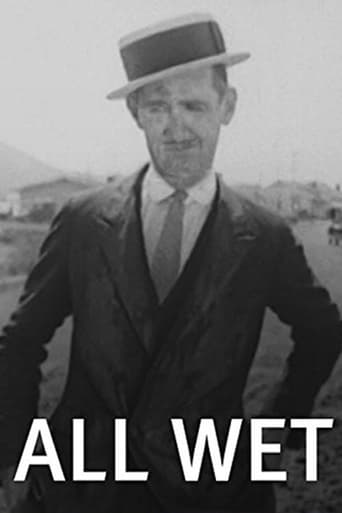
- She made her film debut as an extra in a Hal Roach comedy short
In Their Own Words
I never thought of myself as a star. I was just an actress trying to do the best work I could.
The camera is a remarkable instrument. It can catch the slightest change of expression.
I always tried to be natural. I never learned to act in the theatrical sense.
Retirement was a choice I made gladly. I had a wonderful career and was ready for a new chapter in life.
In silent pictures, you had to use your eyes and your face to convey everything. In talkies, you could use your voice, but the eyes were still the most important.
Frequently Asked Questions
Who was Janet Gaynor?
American actress who became the first recipient of the Academy Award for Best Actress in 1929. She was.
What films is Janet Gaynor best known for?
Titles linked here include 7th Heaven (1927), Sunrise (1927).
When was Janet Gaynor born and when did she die?
Born October 6, 1906; died September 14, 1984.
What awards did Janet Gaynor win?
Janet Gaynor won the first Academy Award for Best Actress in 1929 for her performances in three films: '7th Heaven,' 'Sunrise,' and 'Street Angel.' She also received a Golden Globe Henrietta Award in 1951 and was nominated for another Oscar for 'A Star Is Born' in 1938.
What was Janet Gaynor's acting style?
Janet Gaynor was known for her naturalistic and understated acting style that emphasized emotional authenticity over theatrical gestures. She could convey complex emotions with subtle facial expressions, making her particularly effective in both silent and sound films, and helping pioneer a more realistic approach to film acting.
Why did Janet Gaynor retire from acting?
Janet Gaynor largely retired from acting after marrying costume designer Adrian in 1939, choosing to focus on family life and other interests including painting. Though she made occasional appearances in later years, she preferred the privacy of domestic life to the demands of Hollywood stardom.
How did Janet Gaynor influence cinema?
Janet Gaynor influenced cinema by demonstrating that silent stars could successfully transition to sound films, a naturalistic acting style that moved away from theatricality, and establishing the prestige of the Academy Awards as its first Best Actress winner. Her work in films like 'Sunrise' and 'A Star Is Born' continues to influence filmmakers and actors today.