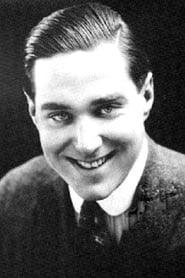
David Butler
Actor & Director
Born: December 17, 1894 in San Francisco, California, USA Died: June 14, 1979 Active: 1919-1967 Birth Name: David Delmont Butler
Films
9 films


About David Butler
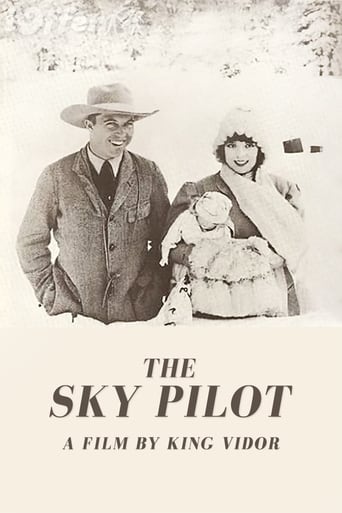
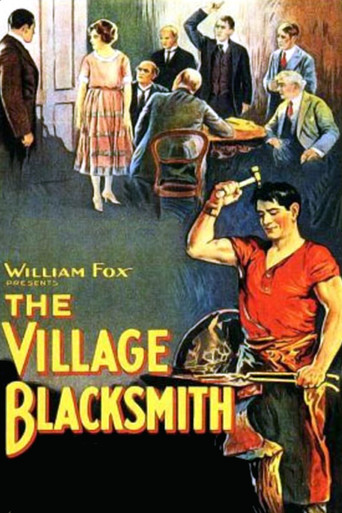
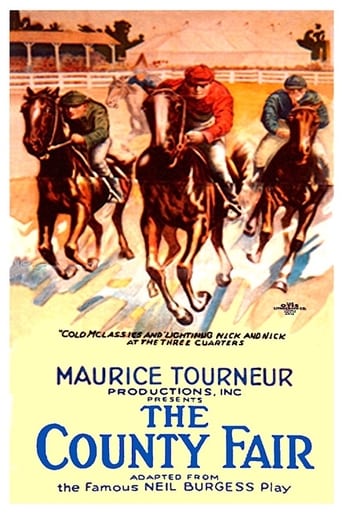
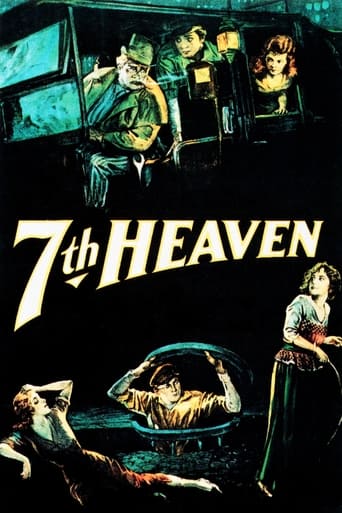
David Butler began his career as an actor in silent films during the early 1920s, appearing in notable productions such as 'The County Fair' (1920), 'The Sky Pilot' (1921), and 'The Village Blacksmith' (1922). His acting career peaked with his role in the critically acclaimed '7th Heaven' (1927), which was successful silent films of its era and earned several Academy Award nominations. As the film industry transitioned to sound, Butler skillfully pivoted to directing, making his directorial debut in the early 1930s. He went on to direct over 50 films, becoming particularly known for his work on musicals and light comedies, often working with major stars like Doris Day and Bing Crosby. His directorial style emphasized warmth, humor, and wholesome entertainment values that appealed to family audiences. Butler's successful nearly four decades in Hollywood, making him one of the few silent-era actors to achieve greater fame as a director. He retired from filmmaking in the 1960s, leaving behind a diverse body of work that reflected his versatility and adaptability in the rapidly changing film industry.
The Craft
On Screen
As a silent film actor, Butler employed expressive physical comedy and dramatic gestures characteristic of the era, with a naturalistic approach that helped him stand out among his contemporaries. His performances in films like '7th Heaven' demonstrated his ability to convey deep emotion through facial expressions and body language without the benefit of dialogue.
Behind the Camera
Butler's directing style was characterized by its warmth, humor, and family-friendly appeal. He excelled at musicals and light comedies, showcasing a keen eye for visual storytelling and smooth pacing. His films often featured optimistic themes and wholesome entertainment values, making him particularly popular with mainstream audiences during the Golden Age of Hollywood.
Milestones
- Acting debut in silent films (1920)
- Breakthrough role in '7th Heaven' (1927)
- Transition to directing (1930s)
- Directed 'Road to.' films with Bing Crosby and Bob Hope
- Directed multiple Doris Day musicals in the 1950s
- Academy Award nomination for Best Original Story (1938)
Best Known For
Iconic Roles
Must-See Films
Accolades
Won
- Academy Award nomination for Best Original Story for 'Mother Carey's Chickens' (1938)
- Golden Globe nomination for Best Director
Nominated
- Academy Award nomination for Best Original Story (1938)
- Directors Guild of America Award nominations
- Golden Globe nomination for Best Director
Special Recognition
- Hollywood Walk of Fame star (located at 6925 Hollywood Blvd)
- Honored by the Directors Guild of America for his contributions to cinema
Working Relationships
Worked Often With
Studios
Why They Matter
Impact on Culture
David Butler made significant contributions to both silent and sound cinema, successfully navigating the transition between the two eras. His work in the 'Road to.' series helped define the buddy comedy genre and influenced countless subsequent films. His musicals with Doris Day helped establish her as one of America's most beloved entertainers and contributed to the golden age of Hollywood musicals.
Lasting Legacy
David Butler's legacy lies in his remarkable versatility and longevity in Hollywood, transitioning from successful silent film actor to prolific director of sound era hits. His films continue to be celebrated for their entertainment value and represent the best of Hollywood's golden age of musicals and comedies. His ability to adapt to changing times while maintaining his distinctive style made him.
Who They Inspired
Butler influenced the development of the Hollywood musical and comedy genres, particularly through his work with stars like Doris Day and the 'Road to.' series. His emphasis on wholesome family entertainment set a standard that many subsequent directors would follow, and his smooth directing techniques became a model for efficient studio filmmaking.
Off Screen
David Butler was married twice during his lifetime. His first marriage was to actress Priscilla Bonner, with whom he had a daughter. After their divorce, he married Ruth Blyth, with whom he remained until his death. Butler was known for his professional demeanor and maintained positive relationships with many of the actors he worked with throughout his long career.
Education
Attended Stanford University, but left to pursue his career in films
Family
- Priscilla Bonner (1924-1930)
- Ruth Blyth (1932-1979)
Did You Know?
- Began his career as a stuntman before becoming an actor
- Appeared in over 30 silent films before transitioning to directing
- Directed the first film version of 'A Star Is Born' (1937) as a co-director
- Worked with virtually every major star of Hollywood's golden age
- Was one of the few silent film actors to achieve greater success as a director
- His films grossed over $100 million at the box office (in 1950s dollars)
- Served in the Army Air Corps during World War I
- Was known for completing films on time and under budget
- His directing active years covered nearly four decades
- Received a star on the Hollywood Walk of Fame in 1960
In Their Own Words
The secret to directing is knowing what you want and getting it efficiently.
Silent films taught me everything about visual storytelling - you had to say it all with your eyes.
Working with stars like Bing and Doris wasn't work, it was pure joy.
The transition from silent to sound wasn't as hard as people think - good storytelling is good storytelling.
Frequently Asked Questions
Who was David Butler?
American film actor and on YTB.my. He appeared in films like '7th Heaven' before transitioning to directing, where he helmed over 50 films including popular musicals with Doris Day and the 'Road to.' series.
What films is David Butler best known for?
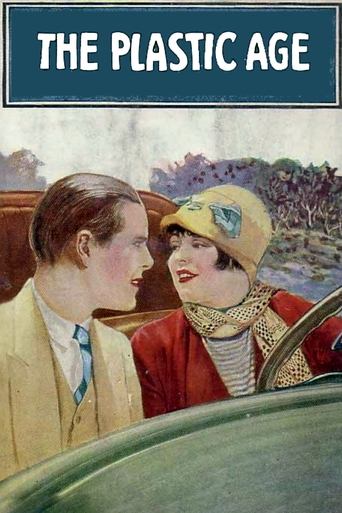
Titles linked here include 7th Heaven (1927), The Plastic Age (1925).
When was David Butler born and when did he die?
Born December 17, 1894; died June 14, 1979.
What awards did David Butler win?
David Butler received an Academy Award nomination for Best Original Story for 'Mother Carey's Chickens' (1938). He also earned a Golden Globe nomination for Best Director and was honored with a star on the Hollywood Walk of Fame in 1960. While he didn't win major competitive awards, his films were commercially successful and critically acclaimed.
What was David Butler's directing style?
David Butler's directing style emphasized warmth, humor, and wholesome entertainment values. He excelled at musicals and light comedies, known for his smooth pacing, visual storytelling, and ability to bring out the best in his performers. His films typically featured optimistic themes and family-friendly content that appealed to mainstream audiences during Hollywood's golden age.