
The Village Blacksmith
"Forge feud across generations"
Keys: Space play/pause · ←/→ 10s · F fullscreen · M mute · </> speed
About this film
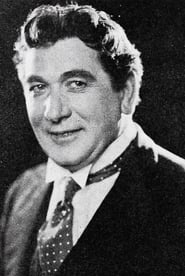
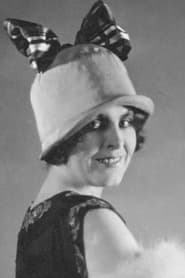
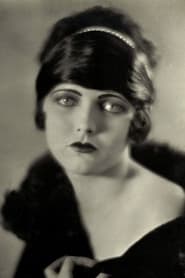
(survived only 10 minutes) As young men, the squire (Marshall) and the village blacksmith (Walling) are in love with the same woman (Boardman), whom the blacksmith marries. This angers the squire.
Cast & crew
More films like this
More Drama films
View all →







More from John Ford
View all →


More about this film
About the production
Release dateOctober 15, 1922
Box officeBox office figures not recorded for this production
ProductionFox Film Corporation
Filmed inFox Studio grounds, Hollywood, California
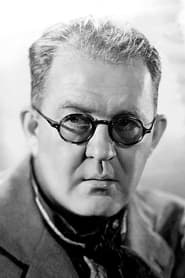
This was one of John Ford's early directorial efforts during his contract with Fox Film Corporation. The film was based loosely on Henry Wadsworth Longfellow's poem 'The Village Blacksmith,' though the story was significantly expanded for dramatic effect. Production took place during the summer of 1922 when Ford was rapidly building his reputation as a reliable director of melodramas and westerns.
Themes
Themes & topics
Historical background
The Village Blacksmith reached screens around 1922, produced in its country of origin. Silent-era houses paired such titles with live music and newsreel bills.
Why this film matters
Researchers cite The Village Blacksmith when tracing screen culture of its decade.
Making of
The production was typical of Fox Film Corporation's factory-like approach to filmmaking in the early 1920s, with rapid shooting schedules and modest budgets. John Ford, still early in his career, was developing his distinctive visual style, though this film shows more studio influence than his later, more personal works. The casting reflected Fox's roster of contract players, with Virginia Valli being one of their rising stars. The church scenes were filmed on a standing set that Fox used for multiple productions. The film's partial loss is particularly tragic as it represents Ford's evolution from purely western films to more complex family melodramas.
What critics said
Reviewers in 1922 weighed The Village Blacksmith on clarity, pacing, and audience response rather than prestige status. No single canonical review dominates later reference works for the title.
Did you know?
- Only 10 minutes of this film survive today, making it a partially lost film from John Ford's early career
- The film was one of over 40 features John Ford directed in the 1920s alone
- Virginia Valli, who played Alice, would later become one of the few silent stars to successfully transition to talkies
- The film's title was inspired by Henry Wadsworth Longfellow's famous 1842 poem, though the plot bears little resemblance to the poem's narrative
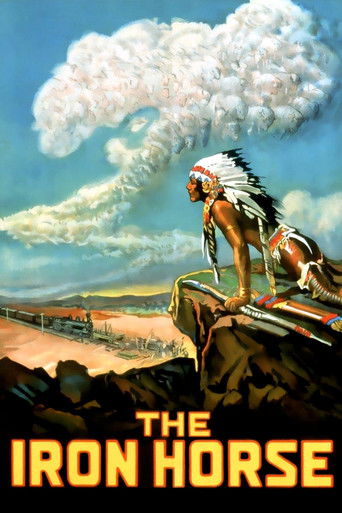
- This was released during the same year Ford directed his first major success, 'The Iron Horse'
- The surviving footage was discovered in the 1970s in a private collection and donated to the Museum of Modern Art
- Will Walling, who played the blacksmith, was a character actor who appeared in over 200 films between 1915 and 1938
- The film's themes of generational conflict and redemption would become recurring motifs throughout Ford's career
- The lightning strike scene was accomplished using primitive special effects techniques common to the era
- Fox Film Corporation was known for producing moralistic melodramas like this one during the early 1920s
Visual style
The cinematography, typical of early 1920s Fox productions, employed natural lighting where possible and used the studio's available lighting equipment for interior scenes. The surviving footage shows Ford's early experimentation with composition and movement, though the visual style was more constrained by studio conventions than his later works. The film likely used standard 35mm film with an aspect ratio of 1.33:1, common for the era. The lightning strike scene, while primitive by modern standards, demonstrated the special effects capabilities available to Fox Film Corporation at the time.
Innovations
The film employed standard technical practices for 1922 Fox productions. The lightning strike effect was achieved through double exposure and practical effects on set. The train accident scene would have used models and carefully timed photography. While not technically innovative, the film demonstrated competent use of the available technology and techniques of the period. The production benefited from Fox's modern studio facilities and equipment, which were among the best in the industry at the time.
Music
As a silent film, 'The Village Blacksmith' would have been accompanied by live musical performance during its theatrical run. Theaters typically used compiled scores featuring popular classical pieces and mood-appropriate music. Fox may have provided a musical cue sheet with suggested pieces for specific scenes. The church scenes would likely have been accompanied by organ music or hymns, while dramatic moments would have used more intense musical selections. No original composed score was created for the production, as was common for most studio films of this period.
Famous quotes
No dialogue survives from this silent film
Memorable scenes
- The dramatic lightning strike scene where Alice is struck by divine intervention, representing moral justice
- The climactic church scene where both the squire and Anson repent for their transgressions
- The childhood accident scene where Johnnie falls from the tree, establishing the generational conflict
What audiences thought
The film appears to have performed modestly at the box office, appealing primarily to small-town and rural audiences who appreciated its moral themes and familiar setting. Like many of Fox's productions of this era, it was marketed as wholesome family entertainment. Audience reception in 1922 would have been influenced by the popularity of melodramas and the growing recognition of John Ford as a reliable director. The film's themes of redemption and family values resonated with contemporary audiences seeking moral reassurance in the rapidly changing post-war society.
Film connections
Influenced by
- Henry Wadsworth Longfellow's 'The Village Blacksmith' poem
- Contemporary melodramatic literature
- Biblical stories of redemption
- 19th century American rural narratives
This film influenced
- Ford's later family melodramas including 'How Green Was My Valley'
- Other Fox moralistic melodramas of the 1920s
Film restoration
Partially lost film - only 10 minutes of the original 60-minute film survive. The surviving footage is preserved at the Museum of Modern Art and has been included in various John Ford retrospectives. The incomplete status makes it one of the many casualties of silent era film loss, with the majority of Ford's 1920s work suffering similar fates.
Where to watch
- The surviving 10-minute fragment is occasionally screened at film archives and museums specializing in silent cinema
- Available through specialized film archives and institutions like the Museum of Modern Art
- Not commercially available on home video or streaming platforms due to its incomplete status