Virginia Valli
Actor
Born: January 18, 1898 in Chicago, Illinois, USA Died: September 24, 1968 Active: 1916-1931 Birth Name: Virginia McSweeney
Films
5 films

About Virginia Valli
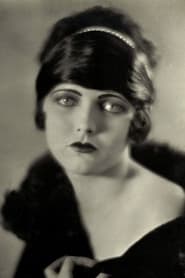
Virginia Valli, born Virginia McSweeney, was a prominent American actress of the silent film era who rose to stardom during the 1920s through her work with Universal Pictures. She began her career as a model and was discovered by a talent scout while working as a secretary, leading to her film debut in 1916. Valli quickly established herself as a versatile leading lady, appearing in over 60 films throughout her career and working with acclaimed directors such as King Vidor and Erich von Stroheim. Her performances in films like 'The Man Who Found Himself' (1925) and 'The Wedding March' (1928) showcased her ability to convey deep emotion through the subtle techniques required by silent cinema. She successfully transitioned to talkies in the late 1920s but retired from acting in 1931 after marrying fellow actor Charles Farrell, with whom she remained until her death. Valli's career, though relatively brief, left a significant mark on silent cinema as one of the era's most reliable and talented leading actresses.
The Craft
On Screen
Virginia Valli was known for her naturalistic acting style that was ahead of its time in the silent era. She employed subtle facial expressions and restrained gestures rather than the exaggerated melodramatic techniques common among her contemporaries. Her performances were characterized by emotional authenticity and a quiet intensity that allowed her to convey complex inner states without the benefit of dialogue. Critics praised her ability to portray strong, independent female characters while maintaining a sense of vulnerability and relatability.
Milestones
- Signed contract with Universal Pictures in 1921
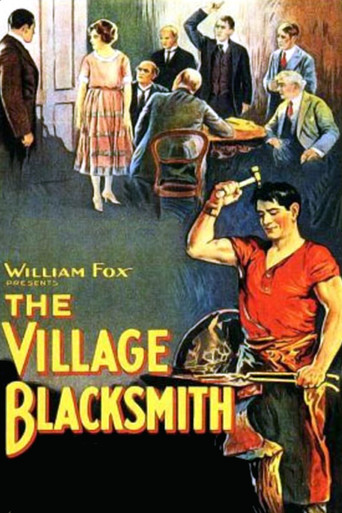
- Starred in King Vidor's 'The Village Blacksmith' (1922)
- Appeared in Erich von Stroheim's 'The Wedding March' (1928)
- Successfully transitioned from silent films to talkies
- Retired from acting at the height of her career in 1931
Best Known For
Iconic Roles
Must-See Films
Accolades
Special Recognition
- Hollywood Walk of Fame star (motion pictures)
Working Relationships
Worked Often With
Studios
Why They Matter
Impact on Culture
Virginia Valli represented the transition from the Victorian-influenced melodramatic acting style to a more naturalistic approach that would define modern screen acting. Her success in both dramatic and romantic roles helped expand the range of possibilities for actresses in silent cinema, demonstrating that women could portray complex, multidimensional characters beyond the stereotypical ingenue or vamp. Valli's work in adapting to sound technology during the transition to talkies provided a model for other silent-era actors facing similar challenges. Her decision to retire at the height of her fame for marriage also reflected the changing social dynamics of Hollywood in the early 1930s.
Lasting Legacy
Virginia Valli's legacy lies in her contribution to the evolution of screen acting techniques during a pivotal period in cinema history. While many of her contemporaries are remembered primarily for their dramatic personal lives or tragic endings, Valli is remembered for her professionalism, artistic integrity, and the quiet dignity with which she approached both her career and personal life. Her films continue to be studied by film historians as examples of sophisticated silent-era acting, particularly her collaborations with directors like King Vidor. The preservation of her work through film archives ensures that future generations can appreciate her talent and understand her role in shaping early American cinema.
Who They Inspired
Virginia Valli influenced subsequent generations of actors through her naturalistic acting style, which prefigured the more subtle techniques that would become standard in sound films. Her ability to convey emotion through minimal means provided a template for actors working in both silent and early sound cinema. Contemporary actresses studying silent film performance often cite Valli as an example of how to achieve emotional depth without relying on theatrical exaggeration. Her successful transition from silent to sound films, though brief, demonstrated that artistic sensitivity could transcend technological changes in the medium.
Off Screen
Virginia Valli married actor Charles Farrell on February 1, 1931, in a ceremony that was widely covered by the press. Their marriage was considered one of Hollywood's most enduring unions, lasting 37 years until her death in 1968. The couple chose to remain child-free and devoted themselves to each other and various philanthropic causes. After retiring from acting, Valli focused on her marriage and supported Farrell's business ventures, including his ownership of the Palm Desert Racquet Club. She was known for her intelligence, wit, and devotion to privacy despite her Hollywood fame.
Education
Attended Chicago public schools; no formal acting training, learned through on-set experience
Family
- Charles Farrell (1931-1968)
Did You Know?
- Her birth name was Virginia McSweeney, but she adopted the stage name 'Valli' reportedly because it sounded more exotic and memorable
- She was discovered by a Universal Pictures talent scout while working as a secretary in Chicago
- Valli was one of the highest-paid actresses of the silent era, earning $2,000 per week at the peak of her career
- She appeared in over 60 films between 1916 and 1931, though many of her early films are now lost
- Her marriage to Charles Farrell was so devoted that they were often called 'the ideal Hollywood couple' by contemporary media
- Despite her success, Valli had no interest in fame and retired willingly after marriage
- She was a skilled horsewoman and performed many of her own stunts in western films
- Valli was known for her philanthropic work, particularly with children's charities in the Palm Springs area
- She was one of the few silent stars who successfully adapted to talkies without needing extensive voice coaching
- Her Hollywood Walk of Fame star is located at 6323 Hollywood Boulevard
In Their Own Words
"Acting in silent films teaches you the art of subtlety. Every twitch of an eye, every slight gesture had to carry the weight of a page of dialogue." - Interview with Photoplay magazine, 1926
"I never felt that I was giving up anything by leaving films. I had found a greater happiness in my personal life than any role could ever provide." - On her retirement, 1931
"The transition to sound was challenging, but emotion is universal. Whether you speak your lines or show them through your eyes, the truth of the character must come through." - On talkies, 1929
Frequently Asked Questions
Who was Virginia Valli?
Screen credits include over 60 films between 1916 and 1931. She was known for her naturalistic acting style and successful collaborations with directors like King Vidor and Erich von Stroheim before retiring from acting after marrying actor Charles Farrell.
What films is Virginia Valli best known for?
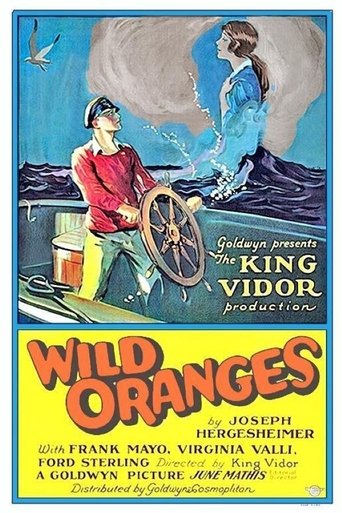
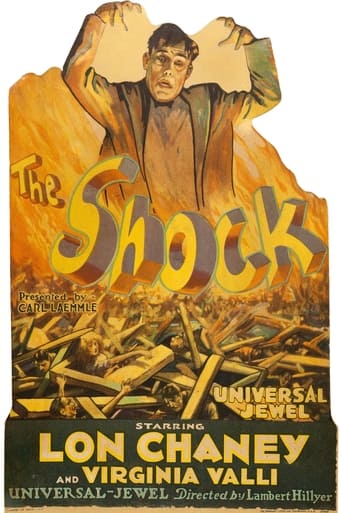
Titles linked here include The Village Blacksmith (1922), The Shock (1923).
When was Virginia Valli born and when did she die?
Born January 18, 1898; died September 24, 1968.
What awards did Virginia Valli win?
While Virginia Valli did not receive major acting awards during her career, she was honored with a star on the Hollywood Walk of Fame for her contributions to motion pictures. Her legacy is preserved through the continued study and appreciation of her films by cinema historians and silent film enthusiasts.
What was Virginia Valli's acting style?
Virginia Valli was known for her naturalistic and subtle acting style, which was ahead of its time in the silent era. Rather than using the exaggerated gestures common among her contemporaries, she employed restrained movements and nuanced facial expressions to convey deep emotion, making her performances feel authentic and relatable to audiences.
Why did Virginia Valli retire from acting?
Virginia Valli retired from acting in 1931 at the height of her career after marrying fellow actor Charles Farrell. She chose to prioritize her marriage over her film career, a decision that was unusual for a successful actress of that era. The couple remained happily married for 37 years until her death in 1968.
How did Virginia Valli transition from silent films to talkies?
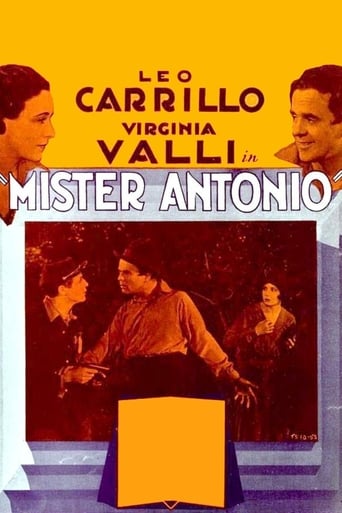
Virginia Valli successfully transitioned to talkies in the late 1920s, appearing in 'Mister Antonio' (1929), one of her few sound films. Her naturalistic acting style, which relied more on subtle expression than dramatic gestures, adapted well to the new medium, and her clear speaking voice required minimal coaching for the transition.