Films
2 films
About Pat Moore
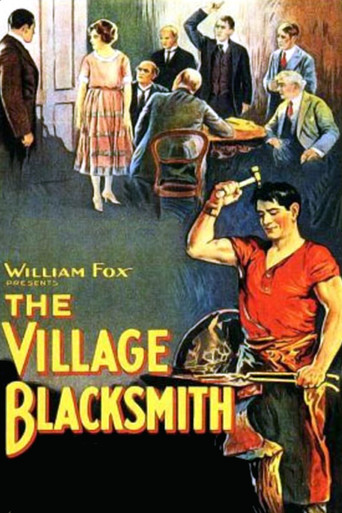
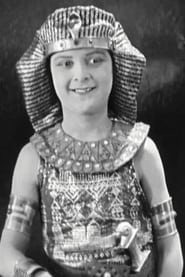
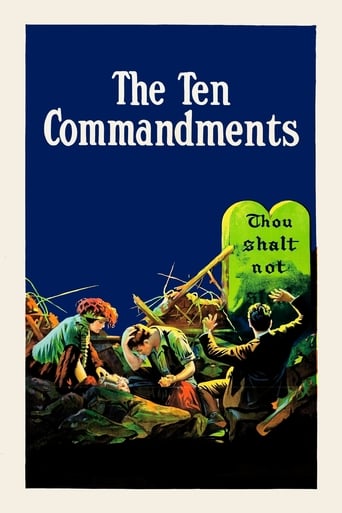
Silent film actor active during the early 1920s, appearing in at least two notable productions during Hollywood's formative years. His brief but significant filmography includes a role in Cecil B. DeMille's epic 'The Ten Commandments' (1923), ambitious and expensive films of its era. He also appeared in 'The Village Blacksmith' (1922), demonstrating his involvement in the flourishing silent film industry during this period. Like many actors of his generation, Moore's career was likely impacted by the transition to sound films in the late 1920s, which ended the careers of numerous silent era performers. His appearances in these productions, particularly the DeMille epic, suggest he was part of the studio system that dominated Hollywood during its golden silent period. Unfortunately, detailed records about many supporting actors from this era remain incomplete, making comprehensive documentation of his full career challenging.
The Craft
On Screen
As a silent film actor, Pat Moore would have employed the exaggerated physical expressions and dramatic gestures characteristic of the era, using facial expressions and body language to convey emotions without dialogue. His performances would have been tailored to the technical limitations and artistic conventions of silent cinema, where actors needed to project emotions clearly to audiences through visual means alone.
Milestones
- Appeared in Cecil B. DeMille's The Ten Commandments (1923)
- Role in The Village Blacksmith (1922)
- Participated in Hollywood's silent film era during its peak
Best Known For
Must-See Films
Working Relationships
Worked Often With
Studios
Why They Matter
Impact on Culture
Pat Moore represents the countless supporting actors who contributed to Hollywood's silent film era, even if their individual names have been largely lost to history. His participation in 'The Ten Commandments' places him within. These actors formed the backbone of the studio system, providing the ensemble performances that made silent films possible and memorable.
Lasting Legacy
While Pat Moore may not be remembered as a major star, his legacy exists as part of the collective foundation of Hollywood's golden age. His work in 'The Ten Commandments' ensures his contribution to cinema history is preserved, however small his role may have been. He represents the thousands of actors who, though not household names, were essential to creating the films that defined an era and continue to be studied and appreciated by film historians and enthusiasts today.
Who They Inspired
As a supporting actor from the silent era, Pat Moore's direct influence on subsequent generations of performers is difficult to trace. However, like all actors who worked during this period, he contributed to the development of film acting techniques and conventions that would influence cinema for decades to come. The work of actors like Moore helped establish the visual language of film that continues to evolve today.
Off Screen
Very little documented information exists about Pat Moore's personal life, which is common for many supporting actors from the silent film era. Detailed records about family, relationships, and personal circumstances were often not preserved for performers who were not major stars during this period.
Did You Know?
- Appeared in
- Worked under legendary director Cecil B. DeMille
- His active years covered the peak years of the silent film era
- Like many silent era actors, his career was likely affected by the transition to sound films
- Participated during Hollywood's transition from short films to feature-length productions
- His filmography represents the typical scope of many supporting actors of his era - brief but significant
Frequently Asked Questions
Who was Pat Moore?
Silent film with credits in this catalog. DeMille's epic 'The Ten Commandments' (1923) and 'The Village Blacksmith' (1922). He was one of many supporting actors who contributed to Hollywood's golden silent era.
What films is Pat Moore best known for?
Titles linked here include The Ten Commandments (1923), The Village Blacksmith (1922).
When was Pat Moore born and when did he die?
Unfortunately, specific birth and death dates for Pat Moore are not readily available in historical records, which is common for many supporting actors from the silent film era. He was active as an actor between 1922 and 1923.
What awards did Pat Moore win?
There are no documented awards or nominations for Pat Moore, which was typical for many supporting actors during the silent film era when major award ceremonies like the Academy Awards were just beginning to be established.
What was Pat Moore's acting style?
As a silent film actor, Pat Moore would have used the dramatic physical expressions and exaggerated gestures characteristic of the era, relying on facial expressions and body language to convey emotions without dialogue, following the conventions of silent cinema performance.