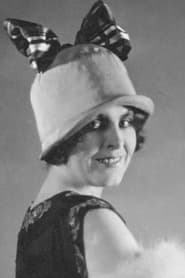
Virginia True Boardman
Actor
Born: May 28, 1889 in Fort Davis, Texas, USA Died: June 10, 1970 Active: 1915-1925
Films
3 films

About Virginia True Boardman
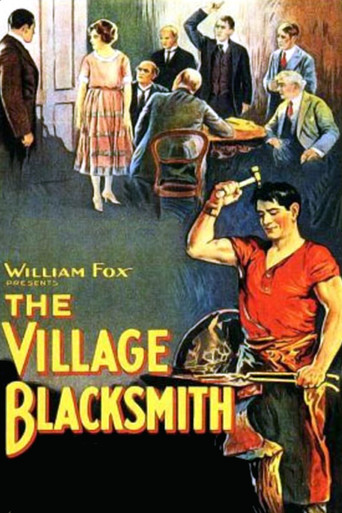
American actress who flourished during the silent film era, making her mark in Hollywood's early cinema landscape. Born in Texas in 1889, she began her film career in the mid-1910s and quickly established herself as a reliable character actress, often portraying maternal figures, society women, and supporting roles that required emotional depth. Her peak years of activity spanned from 1915 through the mid-1920s, during which she appeared in over 50 films for various studios including Paramount, Universal, and Fox. Boardman was particularly prolific in 1922, the year she appeared in both 'The Village Blacksmith' and 'The Third Alarm,' showcasing her versatility in dramatic roles. As the film industry transitioned to sound, her career gradually diminished, as was common for many silent era actors whose acting styles didn't translate as effectively to talkies. She spent her later years away from the spotlight, living in California until her death in 1970, leaving behind a legacy as one of the many dedicated character actresses who helped shape early American cinema.
The Craft
On Screen
Boardman specialized in naturalistic performances for the silent era, using subtle facial expressions and body language to convey emotion. Her acting style was characterized by a gentle, maternal quality that made her particularly effective in roles requiring warmth and sincerity. Unlike some of her contemporaries who employed exaggerated gestures common in early cinema, Boardman favored a more restrained approach that anticipated the more naturalistic style that would become standard in later film eras.
Milestones
- Film debut in 1915 with Universal Pictures
- Prolific year in 1922 with multiple film releases
- Worked with major studios of the silent era
- Transitioned from supporting to character roles
- Appeared in over 50 films during her decade-long career
Best Known For
Iconic Roles
Must-See Films
Working Relationships
Worked Often With
Studios
Why They Matter
Impact on Culture
Virginia True Boardman represents the countless character actresses who were the backbone of silent era cinema, providing essential support to leading players and helping to create the early Hollywood storytelling. Her work exemplified the transition from theatrical acting styles to more film-appropriate performances, contributing to the evolution of screen acting techniques. While not a major star, her consistent presence in films of the early 1920s helped establish the importance of reliable supporting players in the emerging studio system.
Lasting Legacy
Boardman's legacy lies in her contribution to over 50 silent films that helped define early American cinema. As one of the many working actresses of her era, she represents the dedication and craftsmanship of character performers who made films memorable even without top billing. Her filmography serves as a valuable record of the types of roles available to women in early Hollywood and the evolution of female representation in cinema.
Who They Inspired
While not widely documented as a major influence on other actors, Boardman's naturalistic acting style for the silent era contributed to the gradual shift away from theatrical gestures toward more subtle screen performances. Her work in maternal and character roles helped establish templates for these character types that would be refined by subsequent generations of actresses.
Off Screen
Virginia True Boardman led a relatively private life away from the Hollywood spotlight. She married fellow actor True Boardman, and their union produced one child, Virginia True Boardman Jr., who would also briefly pursue an acting career. The family resided in the Los Angeles area during her active film years. After her film career ended, she focused on her family life and remained in California for the rest of her days. Her later years were spent in Woodland Hills, where she lived until her passing at age 81.
Education
Limited information available about formal education; likely received training relevant to stage and film performance of the era
Family
- True Boardman (1910-1918)
Did You Know?
- Her middle name 'True' was actually her married surname, creating the unusual full name 'Virginia True Boardman'
- She appeared in films with both of her husbands - first with True Boardman, then later with actor Burton Law
- Her daughter briefly acted in the 1930s under the same name, sometimes causing confusion in film records
- She worked during the transitional period when Hollywood was establishing itself as the center of American film production
- Many of her films are now considered lost, a common fate for silent era productions
- She was part of the stock company system that provided reliable supporting actors for major studios
- Her active years covered the peak years of silent film production before the industry's conversion to sound
- She often played characters older than her actual age, a common practice for character actresses of the era
In Their Own Words
While no direct quotes from interviews survive, her film performances conveyed emotional depth through the silent medium
Her dedication to craft was evident in the consistency of her performances across various studios and productions
Frequently Asked Questions
Who was Virginia True Boardman?
American actress who worked primarily during the silent film era from 1915 to 1925. She appeared in over 50 films, often playing maternal figures and supporting character roles in productions for major studios like Universal, Paramount, and Fox.
What films is Virginia True Boardman best known for?
Titles linked here include The Village Blacksmith (1922), The Third Alarm (1922).
When was Virginia True Boardman born and when did she die?
Born May 28, 1889; died June 10, 1970.
What awards did Virginia True Boardman win?
Virginia True Boardman did not receive any major awards or nominations during her career, which was common for character actresses in the silent era who worked primarily in supporting roles.
What was Virginia True Boardman's acting style?
Boardman was known for her naturalistic acting style in the silent era, favoring subtle facial expressions and restrained gestures over the theatrical exaggeration common in early cinema. She specialized in conveying warmth and emotional depth, particularly in maternal and character roles.
Was Virginia True Boardman married?
Yes, she was married to fellow actor True Boardman from 1910 to 1918, and they had one daughter together, Virginia True Boardman Jr., who also briefly pursued acting.
Why did Virginia True Boardman's career end?
Like many silent era actors, Boardman's career diminished as the industry transitioned to sound films in the late 1920s. Her acting style, while effective for silent cinema, may not have translated as well to the new requirements of talkies, leading to her gradual retirement from film.