Will Walling
Actor
Born: June 9, 1872 in Trenton, New Jersey, USA Died: March 6, 1932 Active: 1922-1929 Birth Name: William Henry Walling
Films
6 films
About Will Walling
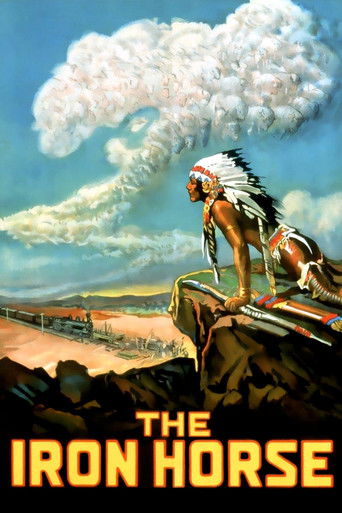
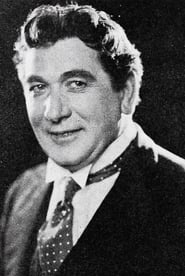
Prolific character actor during the silent film era, appearing in over 100 films between 1922 and 1929. Born William Henry Walling, he began his film career relatively late in life, transitioning from stage work to Hollywood during the boom years of silent cinema. Walling specialized in portraying authoritative figures, often playing fathers, judges, military officers, and businessmen in supporting roles. He worked with some of the era's most prominent directors, including John Ford in 'The Iron Horse' and Clarence Brown in 'Smouldering Fires.' Walling's commanding presence and appearance made him a reliable character actor, though he rarely received top billing. His career coincided with the transition from silent to sound films, but like many character actors of his generation, he found fewer opportunities as the industry changed. Walling's final film appearances came in 1929, marking the end of a brief but productive career that spanned the peak years of silent cinema.
The Craft
On Screen
Walling was known for his naturalistic and dignified acting style, bringing gravitas and authority to his supporting roles. Unlike many silent actors who relied on exaggerated gestures, Walling's performances were notably restrained and authentic, making him particularly effective in paternal and authoritative roles. His stage background contributed to his strong screen presence and ability to convey emotion through subtle facial expressions and posture.
Milestones
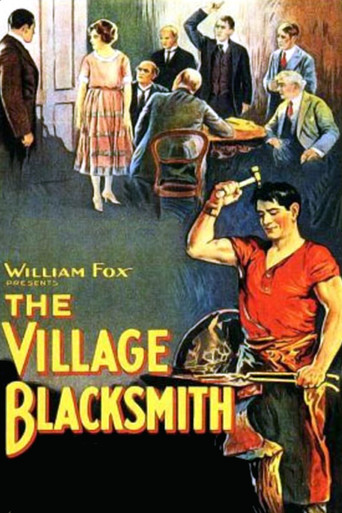
- Film debut in 'The Village Blacksmith' (1922)
- Appeared in John Ford's epic 'The Iron Horse' (1924)
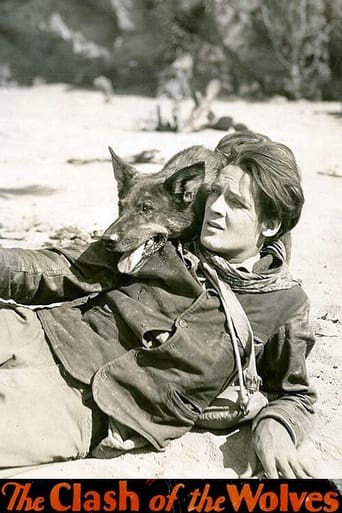
- Supporting role in Rin Tin Tin hit 'Clash of the Wolves' (1925)
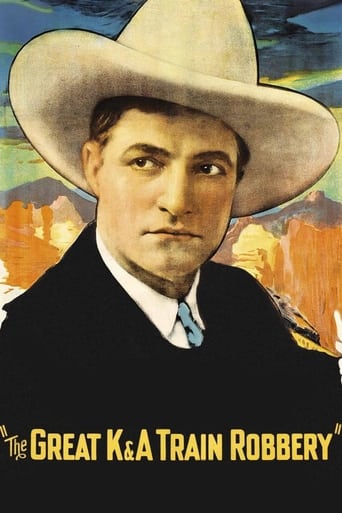
- Starred in Tom Mix western 'The Great K&A Train Robbery' (1926)
- Appeared in over 100 films in just 7 years
Best Known For
Iconic Roles
Must-See Films
Working Relationships
Worked Often With
Studios
Why They Matter
Impact on Culture
Will Walling represents the generation of character actors who provided the essential supporting framework for silent cinema's leading stars. His work in major productions like 'The Iron Horse' contributed to the foundation of American western and historical epics. Walling's ability to portray authority figures with authenticity helped establish the visual language of American cinema's representation of institutional power and family hierarchy during the silent era.
Lasting Legacy
Though largely forgotten today, Will Walling's extensive filmography shows the importance of character actors in silent cinema. His appearances in over 100 films in just seven years demonstrate the incredible productivity of Hollywood's studio system during the 1920s. Walling's work survives as part of the foundation of American film history, particularly in the western genre where he frequently appeared.
Who They Inspired
As a character actor, Walling influenced subsequent generations of supporting players by demonstrating the importance of bringing theatrical dignity to film roles. His naturalistic approach to silent acting helped pave the way for more subtle performance styles that would become standard in sound cinema. Walling's career trajectory from stage to film mirrored the path many actors would follow in the coming decades.
Off Screen
Will Walling married actress Florence Turner, one of America's first film stars, though their marriage ended in divorce. He was known in Hollywood circles as a reliable professional who brought his stage experience to his film work. Walling was part of the older generation of actors who transitioned from theater to motion pictures during the early 1920s. His later years were marked by declining health, and he passed away in 1932 at the age of 59, just a few years after his film career had ended.
Education
Stage training through theatrical experience in the early 1900s
Family
- Florence Turner (1917-1924)
Did You Know?
- Appeared in over 100 films in just 7 years
- Was married to Florence Turner, one of America's first film stars
- Began his film career at age 50
- Often played characters much older than his actual age
- Worked with both Tom Mix and Rin Tin Tin, the biggest animal stars of the era
- Appeared in John Ford's breakthrough film 'The Iron Horse'
- His stage experience made him particularly valuable in early sound tests
- Was part of the transition generation that saw both silent and early sound films
- Never received top billing but was consistently employed throughout the 1920s
- His final films were made during the industry's transition to sound
In Their Own Words
As a character actor, I don't need the spotlight - I just need to make the story believable.
Frequently Asked Questions
Who was Will Walling?
Screen credits include over 100 films between 1922 and 1929, specializing in authoritative and paternal roles in major productions.
What films is Will Walling best known for?
Titles linked here include The Iron Horse (1924), Clash of the Wolves (1925).
When was Will Walling born and when did he die?
Born June 9, 1872; died March 6, 1932.
What awards did Will Walling win?
Will Walling did not receive any major awards during his career, as was common for character actors of the silent era who rarely received recognition despite their significant contributions to films.
What was Will Walling's acting style?
Walling was known for his naturalistic and dignified acting style, bringing gravitas to supporting roles through subtle expressions and restrained performances, which contrasted with the exaggerated acting common in silent films.
Was Will Walling married to anyone famous?
Yes, Will Walling was married to Florence Turner from 1917 to 1924. Turner was one of America's first film stars and was known as 'The Vitagraph Girl' in the early 1910s.
Why did Will Walling's career end in 1929?
Walling's career ended around the time of the transition to sound films, as many character actors of his generation found fewer opportunities in the new sound era, and he was already in his late 50s when his film career concluded.