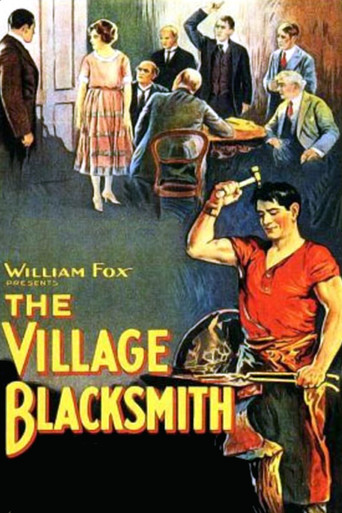
Films
1 film
About Ida Mae McKenzie
American actress who worked during the silent film era, with her only known credited appearance being in the 1922 film 'The Village Blacksmith.' As with many performers from this period, her career appears to have been brief, consisting primarily of uncredited or minor roles in the rapidly expanding Hollywood studio system. The silent era was characterized by a high turnover of actors, with many performers appearing in only one or two films before leaving the industry. Her participation in 'The Village Blacksmith' places her among the countless supporting players who contributed to early cinema but whose careers were not extensively documented. The film industry of the early 1920s was still establishing its star system, and many actors like McKenzie served as background talent or played small character roles without achieving lasting fame. Her brief filmography is representative of the transient nature of early Hollywood employment, where thousands of actors passed through studios without achieving the status of featured players.
The Craft
Milestones
- Appeared in 'The Village Blacksmith' (1922)
Best Known For
Must-See Films
Why They Matter
Impact on Culture
As a minor actor in the silent era, Ida Mae McKenzie's individual cultural impact was limited, but she represents the thousands of anonymous performers who collectively built the foundation of American cinema. These supporting actors were essential to the film industry's growth, providing the depth and realism needed for compelling narratives. The silent era relied heavily on a vast pool of talent for background roles, character parts, and minor speaking roles that gave films their texture and authenticity. While individual performers like McKenzie may not be remembered today, their contributions were integral to the development of cinematic storytelling techniques and the establishment of Hollywood as the entertainment capital. Her brief career exemplifies the transient nature of early film employment and the challenges faced by actors trying to establish themselves in a rapidly evolving industry.
Lasting Legacy
Ida Mae McKenzie's legacy is primarily that of a representative figure from the silent era's vast pool of working actors. While she did not achieve lasting fame, her participation in early Hollywood reflects the collaborative nature of filmmaking and the importance of supporting players in creating memorable cinema. The fact that her name appears in film credits, however briefly, ensures her place in film history as part of the foundation upon which the Golden Age of Hollywood was built. Her story, like those of many silent era performers, serves as a reminder of the countless individuals who contributed to cinema's development without achieving individual recognition.
Who They Inspired
As a minor actor with only one known film credit, Ida Mae McKenzie's direct influence on other performers or the film industry appears to have been limited. However, like all actors who worked during the foundational years of cinema, she contributed to the development of acting techniques and film production methods that would influence future generations. The collective work of actors like McKenzie helped establish the professional standards and artistic approaches that would define Hollywood's golden era.
Off Screen
Very little is documented about Ida Mae McKenzie's personal life, which was typical for minor actors in the silent era who did not achieve star status. Like many supporting players of her time, her life story was not preserved in the historical record unless she achieved greater prominence in the industry.
Did You Know?
- Her only known film appearance was in 1922, making her one of the many actors whose entire film active years covered less than a year
- The Village Blacksmith (1922) was part of the wave of sentimental dramas that were popular in the early 1920s
- Silent era actors like McKenzie often worked multiple jobs within the film industry, sometimes serving as extras, stand-ins, or background artists
- Many performers from this period left the film industry as quickly as they entered, often due to the instability of acting careers
- The 1920s saw a massive influx of people to Hollywood hoping to make it in movies, but only a small percentage achieved lasting success
Frequently Asked Questions
Who was Ida Mae McKenzie?
American actress who worked during the silent film era, known primarily for her appearance in the 1922 film 'The Village Blacksmith.' Her career appears to have been brief, with only one documented film credit to her name.
What films is Ida Mae McKenzie best known for?
Titles linked here include The Village Blacksmith (1922).
When was Ida Mae McKenzie born and when did she die?
Specific birth and death dates for Ida Mae McKenzie are not documented in available historical records, which was common for minor actors from the silent era who did not achieve lasting fame.
What awards did Ida Mae McKenzie win?
There are no documented awards or nominations for Ida Mae McKenzie, which was typical for supporting actors in the early 1920s who played minor roles in films.
What was Ida Mae McKenzie's acting style?
Specific details about Ida Mae McKenzie's acting style are not documented, as she appeared in only one film and likely played a minor role. Silent era actors generally relied on exaggerated physical expressions and gestures to convey emotion.