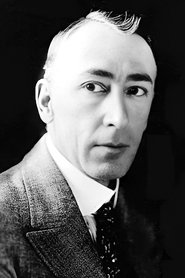
Tully Marshall
Actor
Born: April 10, 1864 in Nevada City, California, USA Died: March 10, 1943 Active: 1914-1943 Birth Name: William Phillips Marshall
Films
27 films
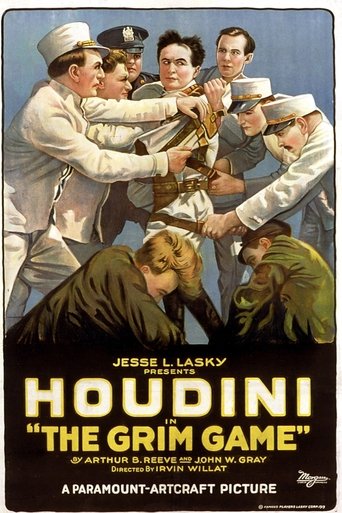
The Grim Game
1919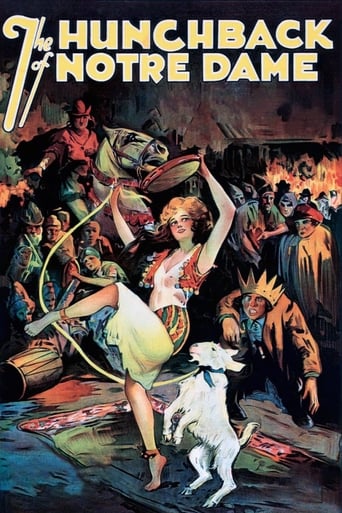
The Hunchback of Notre Dame
1923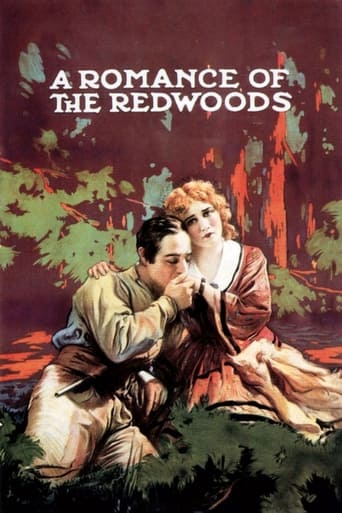
A Romance of the Redwoods
1917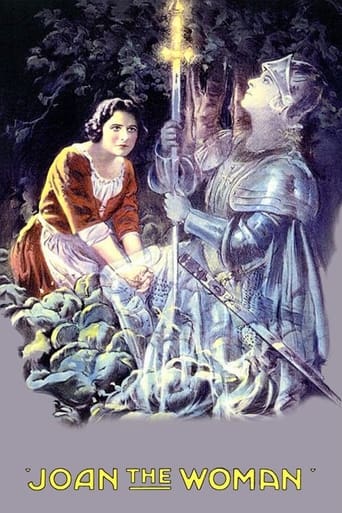
Joan the Woman
1916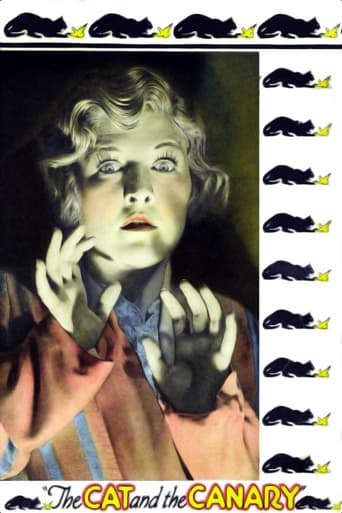
The Cat and the Canary
1927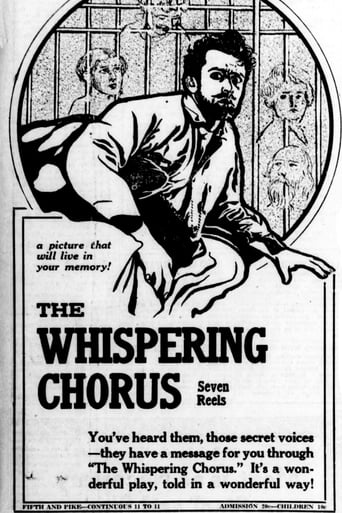
The Whispering Chorus
1918
He Who Gets Slapped
1924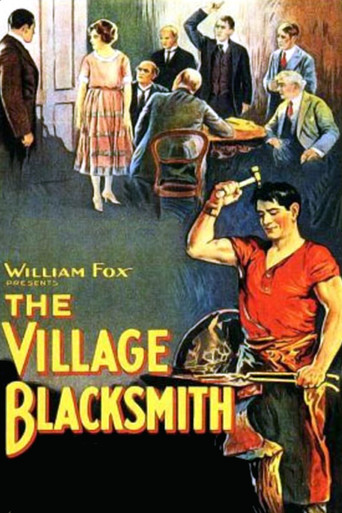
The Village Blacksmith
1922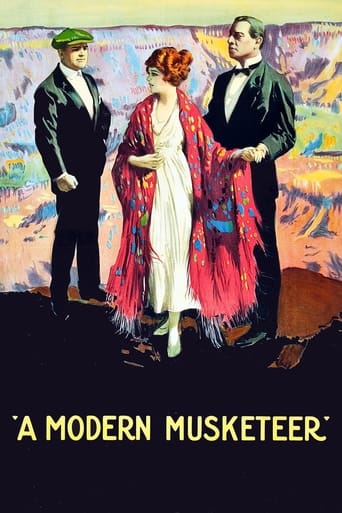
A Modern Musketeer
1917
Excuse My Dust
1920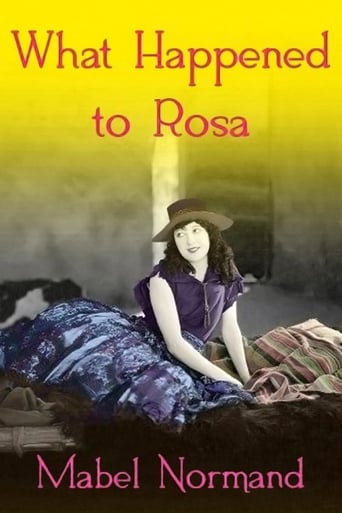
What Happened To Rosa
1920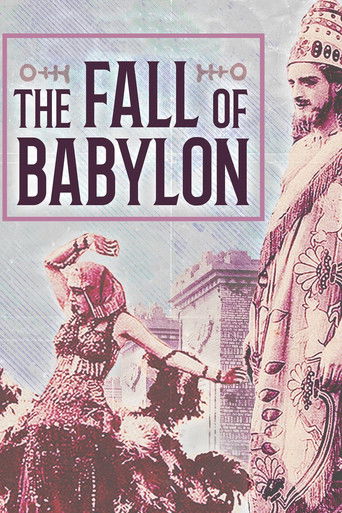
The Fall of Babylon
1919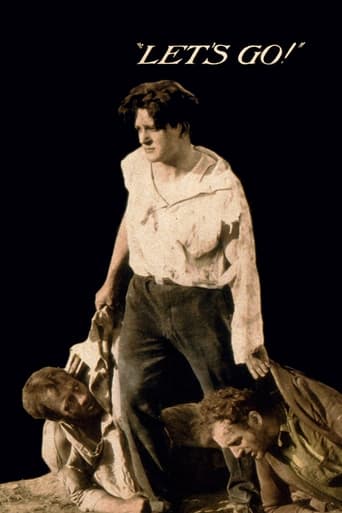
Let's Go
1923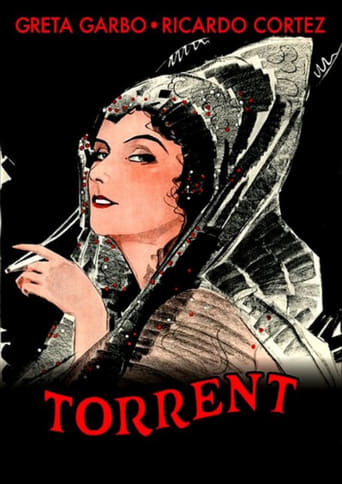
Torrent
1926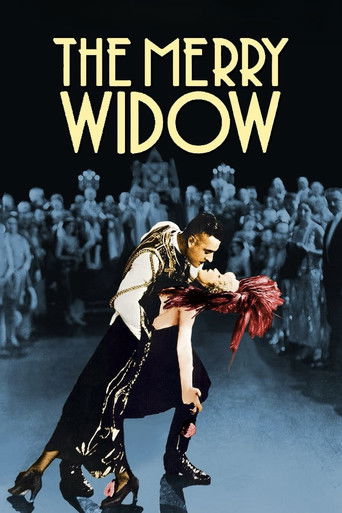
The Merry Widow
1925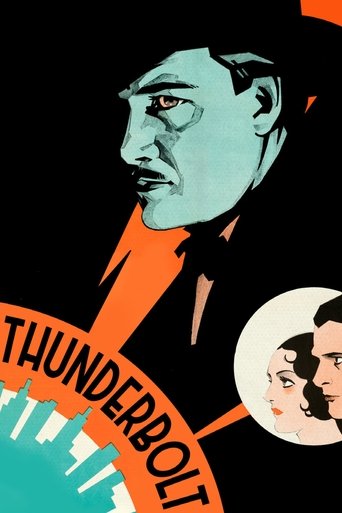
Thunderbolt
1929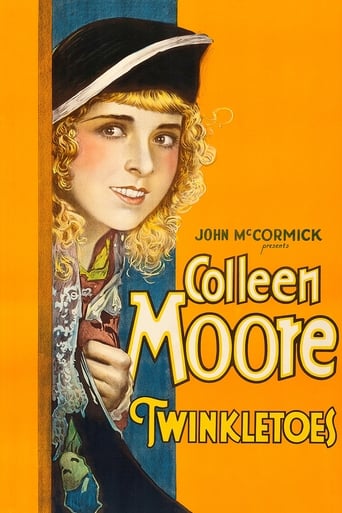
Twinkletoes
1926No Poster
Defying Destiny
1923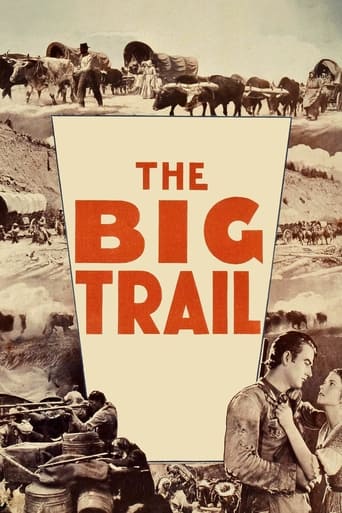
The Big Trail
1930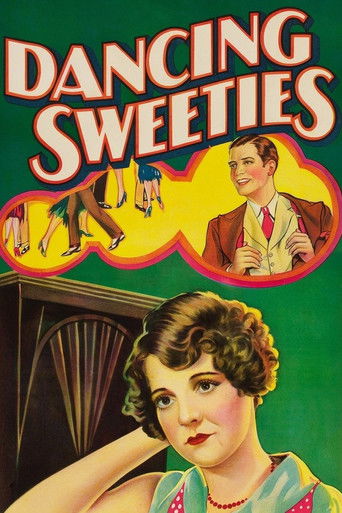
Dancing Sweeties
1930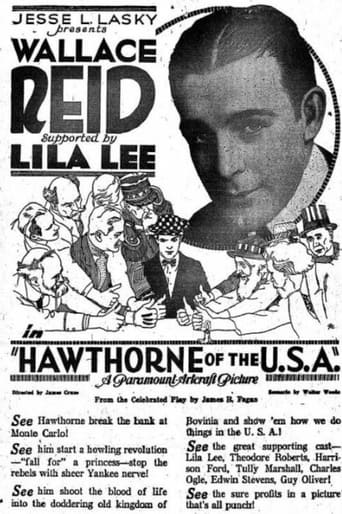
Hawthorne of the U.S.A.
1919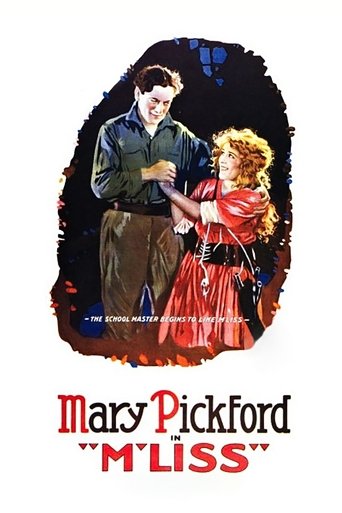
M'Liss
1918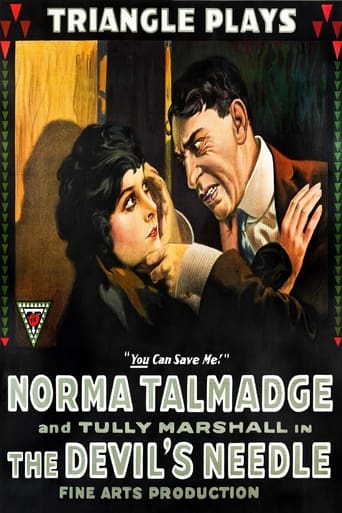
The Devil's Needle
1916
The Gift Supreme
1920
Mammy
1930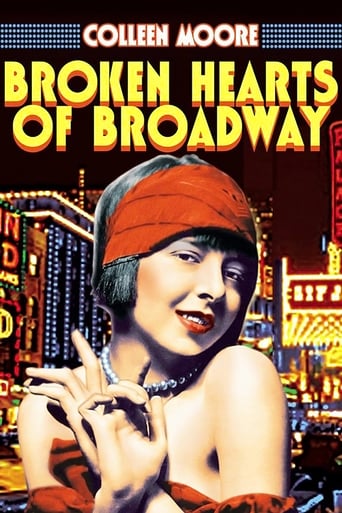
Broken Hearts of Broadway
1923About Tully Marshall
American character actor: from the silent era through the early sound period, beginning in theater before transitioning to films. Born William Phillips Marshall, he established himself as a reliable character actor known for his distinctive gaunt appearance and piercing eyes, often portraying villains, eccentrics, or authority figures. Marshall worked extensively with director Cecil B. DeMille, appearing in numerous of his early films including 'The Whispering Chorus' and 'Joan the Woman.' His theatrical background gave him a commanding presence that translated well to the silent screen, where his expressive features and intense demeanor made him memorable. As the film industry transitioned to sound, Marshall successfully adapted his skills, though his most prolific period remained in the 1910s and 1920s. He continued acting until his death in 1943, appearing in over 200 films throughout his career and becoming one of Hollywood's most recognizable character actors of his generation.
The Craft
On Screen
Marshall was known for his intense, theatrical acting style honed from years on the stage. He utilized his distinctive gaunt features, piercing eyes, and commanding voice to create memorable characterizations, often playing villains or morally ambiguous figures. His performances were characterized by exaggerated gestures and dramatic intensity, typical of the transitional period between stage acting and naturalistic film performance.
Milestones
- Stage debut in 1887
- Film debut in 1914
- Extensive collaboration with Cecil B. DeMille
- Transition to sound films in late 1920s
- Over 200 film appearances throughout career
Best Known For
Iconic Roles
Must-See Films
Accolades
Special Recognition
- Hollywood Walk of Fame star (located at 6708 Hollywood Boulevard)
Working Relationships
Worked Often With
Studios
Why They Matter
Impact on Culture
Tully Marshall represented the crucial bridge between 19th-century theatrical tradition and 20th-century cinema performance. His extensive work in Cecil B. DeMille's early epics helped establish the template for character actors in Hollywood's golden age. Marshall's ability to convey complex emotions through subtle facial expressions in silent films demonstrated the emerging art of screen acting. His successful transition to sound films proved that theatrical training could be adapted to the new medium, influencing generations of character actors who followed.
Lasting Legacy
Marshall's legacy lies in his contribution to establishing the importance of character actors in early Hollywood cinema. With over 200 film appearances, he helped create the foundation for supporting roles that would become essential to narrative filmmaking. His work in DeMille's spectacles demonstrated how character actors could provide depth and contrast to leading performers. Marshall's career longevity, spanning from the silent era through the classical Hollywood period, made him a living connection between different eras of film history.
Who They Inspired
Marshall influenced subsequent generations of character actors through his demonstration of how distinctive physical features and theatrical training could be effectively adapted for film. His work with directors helped establish techniques for creating memorable supporting characters that enhanced rather than overshadowed the main narrative. Many later character actors, particularly those specializing in villainous or eccentric roles, drew inspiration from Marshall's ability to create fully realized characters within limited screen time.
Off Screen
Marshall married actress Marion E. Bundy in 1900, and their marriage lasted until his death in 1943. The couple had no children. Marshall was known as a dedicated professional who maintained a successful career through multiple transitions in the film industry, from silent films to talkies. He was well-respected among his peers for his reliability and versatility as a character actor.
Education
Limited formal education; primarily self-taught through theater experience
Family
- Marion E. Bundy (1900-1943)
Did You Know?
- Changed his professional name from William Phillips Marshall to Tully Marshall early in his career
- Began his career on stage at age 23 in 1887
- Made his film debut at age 50 in 1914
- Worked with Cecil B. DeMille on over 15 films
- Was one of the few silent film actors to successfully transition to talkies without losing his career momentum
- His distinctive gaunt appearance made him a natural choice for villainous roles
- Appeared in both the 1923 and 1956 versions of 'The Ten Commandments' (though he died before the latter was made)
- Was a member of the original cast of the Broadway play 'The Little Millionaire' in 1911
- His final film appearance was in 'The Man from Down Under' (1943), released the same year he died
- Despite being typecast as villains, he was known as a kind and generous person off-screen
In Their Own Words
In the theater, you learn to project your voice and your emotions. In pictures, you learn to project your soul.
A villain is often more interesting than a hero. Heroes have to be good; villains can be anything.
The camera doesn't lie, but it can be made to see what you want it to see.
Silent films taught us the power of the face. Sound films taught us the power of the voice. The great actor learns to use both.
Frequently Asked Questions
Who was Tully Marshall?
Prolific American character with credits in this catalog. Born William Phillips Marshall in 1864, he appeared in over 200 films and was particularly known for his collaborations with director Cecil B. DeMille and his distinctive portrayals of villains and eccentric characters.
What films is Tully Marshall best known for?
Titles linked here include Joan the Woman (1916), The Whispering Chorus (1918).
When was Tully Marshall born and when did he die?
Born April 10, 1864; died March 10, 1943.
What awards did Tully Marshall win?
While Tully Marshall did not receive major acting awards during his career, he was honored with a star on the Hollywood Walk of Fame at 6708 Hollywood Boulevard, recognizing his significant contributions to the film industry.
What was Tully Marshall's acting style?
Marshall's acting style was rooted in his theatrical training, characterized by dramatic intensity and expressive use of his distinctive gaunt features and piercing eyes. He excelled at creating memorable villainous characters through subtle facial expressions and commanding presence, successfully adapting his stage techniques for both silent and sound films.