The Hunchback of Notre Dame
"Bells, justice, and Paris stone"
Keys: Space play/pause · ←/→ 10s · F fullscreen · M mute · </> speed
About this film
Wallace Worsley's Universal epic frames Esmeralda for murder while Quasimodo rings Notre Dame's bells. In 15th century France, a gypsy girl is framed for murder by the infatuated Chief Justice, and only the deformed bellringer of Notre Dame Cathedral can save her.
Cast & crew
More films like this
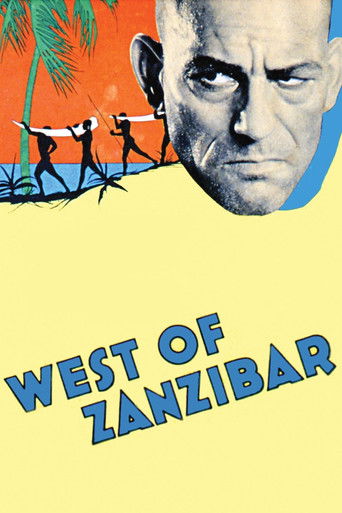
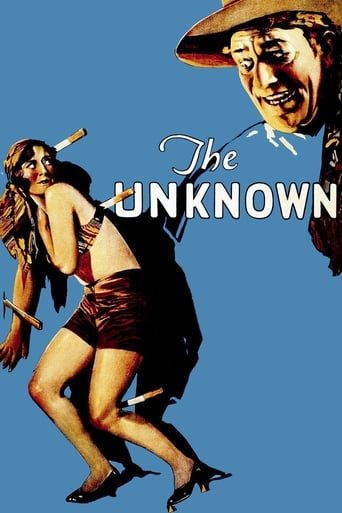
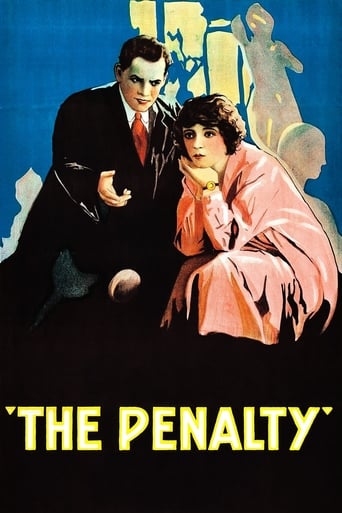
More Romance films
View all →

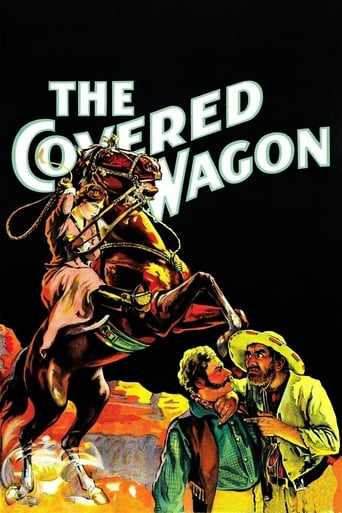



More from Wallace Worsley
View all →
More about this film
About the production
Release dateSeptember 6, 1923
Budget$1,250,000 (enormous for the time)
Box office$3,000,000+ (among the leading profitable films of 1923)
ProductionUniversal Pictures Corporation
Filmed inUniversal Studios Lot, Universal City, California
The production featured one of the largest and most expensive sets ever built at the time - a full-scale replica of the Notre Dame Cathedral facade and surrounding Parisian streets. The set cost over $600,000 and took six months to construct. Lon Chaney spent hours each day in the makeup chair, creating Quasimodo's distinctive look with a hump made of plaster and leather, heavy prosthetics, and painful contact lenses that made his eyes appear bulging. The film's massive crowd scenes required thousands of extras and innovative camera techniques to capture the scale of the story.
Themes
Social injustice and prejudiceThe nature of beauty and uglinessObsessive love and lustSanctuary and salvationSocial class and hierarchy
Themes & topics
gypsycathedralbellringerdeformityinjusticesanctuaryobsessionsacrificemedieval Parismob violenceunrequited lovesocial outcastreligious authoritywrongful accusationrescuesiegebeauty and the beast
Historical background
1923 placed The Hunchback of Notre Dame within United States cinema as Universal Pictures Corporation navigated wartime markets, immigration audiences, and the shift from intertitles to sound.
Why this film matters
Archivists revisit The Hunchback of Notre Dame (1923) for Wallace Worsley style, genre norms at Universal Pictures Corporation, and the exhibition context of 133 minutes programming.
Making of
The production of 'The Hunchback of Notre Dame' was especially ambitious undertakings of the silent era. Director Wallace Worsley worked closely with production designer E.E. Sheeley to create the monumental Notre Dame set, which extended across multiple soundstages and outdoor areas. Lon Chaney's transformation into Quasimodo was a daily ordeal that began at 4 AM, with the actor enduring hours of makeup application. Chaney studied Victor Hugo's novel extensively and even consulted with medical experts to understand the physical effects of Quasimodo's deformities. The film's climactic siege sequence required meticulous planning, with the crew developing innovative camera rigs to capture the massive action sequences. The production faced numerous challenges, including weather delays for outdoor scenes and the difficulty of coordinating thousands of extras for the crowd sequences. Despite these obstacles, the film came in on schedule and under budget, thanks to Worsley's efficient direction and Universal's well-organized production system.
What critics said
Retrospective writing on The Hunchback of Notre Dame stresses craft by Wallace Worsley, print survival, and repertory value rather than opening-week gross alone.
Did you know?
- Lon Chaney's makeup for Quasimodo was so painful and uncomfortable that he could only wear it for a few hours at a time. The 50-pound hump was made of plaster and leather, causing him severe back pain throughout filming.
- The massive Notre Dame Cathedral set was so impressive that Universal kept it standing for years, using it in numerous other films including 'The Phantom of the Opera' (1925).
- Chaney personally designed and applied his own makeup, a rarity in Hollywood at the time. He kept his techniques secret to maintain his reputation as 'The Man of a Thousand Faces.'
- The film's success led to Chaney receiving a contract worth $5,000 per week, making him one of the highest-paid actors in Hollywood.
- Over 2,000 extras were employed for the crowd scenes, a massive undertaking for a silent film production.
- The film was one of the first to receive a prestigious roadshow presentation, with reserved seats and higher ticket prices in major cities.
- Patsy Ruth Miller was only 17 years old when she played Esmeralda, beating out established stars like Mary Philbin for the role.
- The famous scene where Quasimodo swings down from the cathedral to save Esmeralda was performed by a stunt double, as the risk was too great for Chaney.
- The film's title cards were written by famed author and screenwriter Frances Marion, especially powerful women in early Hollywood.
- Universal head Carl Laemmle considered this film his masterpiece and used its success to establish Universal as a major studio capable of competing with MGM and Paramount.
Awards & recognition
- Photoplay Magazine Medal of Honor (1923)
- Motion Picture Magazine Award for Best Production (1923)
Visual style
The cinematography by Robert Newhard and Virgil Miller was revolutionary for its time, employing innovative techniques to capture the film's epic scale and emotional depth. The filmmakers used massive camera cranes and scaffolding to achieve dramatic high-angle shots of the Notre Dame set, creating a sense of verticality and grandeur that emphasized Quasimodo's domain. The use of chiaroscuro lighting, influenced by German Expressionism, created dramatic shadows and highlighted the gothic atmosphere of the cathedral interiors. The film employed pioneering deep focus techniques to maintain clarity in both foreground and background during the massive crowd scenes. The cinematography also utilized innovative tracking shots to follow characters through the elaborate Parisian street sets, creating a sense of movement and immersion. The visual style emphasized contrast between light and shadow, beauty and ugliness, heaven and earth - reinforcing the film's central themes. The camera work during the action sequences, particularly the siege of Notre Dame, employed dynamic angles and rapid editing that was unusually sophisticated for the period.
Innovations
The Hunchback of Notre Dame featured numerous technical innovations that pushed the boundaries of filmmaking in 1923. The construction of the massive Notre Dame set required engineering innovations to support the weight of the structure and allow for complex camera movements. Lon Chaney's makeup techniques, including the use of mortician's wax, collodion, and custom-made prosthetics, revolutionized cinematic special effects makeup. The film employed innovative matte painting techniques to extend the cathedral set and create the illusion of greater height and scale. The production developed new camera rigging systems for the dramatic shots of Quasimodo climbing the cathedral walls and swinging down to rescue Esmeralda. The film's special effects, including the molten lead sequence during the siege, used pioneering techniques involving miniatures and forced perspective. The lighting design employed newly developed electrical equipment to create dramatic effects within the cathedral interiors, particularly the famous bell tower scenes. The production also utilized early forms of storyboarding and pre-visualization techniques to plan the complex crowd sequences.
Music
As a silent film, The Hunchback of Notre Dame was originally presented with live musical accompaniment that varied by theater. Universal provided a detailed musical cue sheet suggesting appropriate classical pieces for different scenes, including works by Berlioz, Saint-Saëns, and other French composers to maintain the Parisian atmosphere. Many large theaters presented the film with full orchestral accompaniment, while smaller venues used piano or organ. The original score emphasized dramatic motifs for different characters, with heavy, percussive music for Quasimodo's scenes and lighter, more romantic themes for Esmeralda's appearances. Modern restorations have been scored by contemporary composers, including a 1997 version by the Mont Alto Motion Picture Orchestra that attempts to recreate the authentic silent era experience using period-appropriate instrumentation and musical styles. The film's sound design, while limited by silent era technology, included sound effects created by theater musicians and effects specialists, particularly during the action sequences.
Famous quotes
Sanctuary! Sanctuary! (Quasimodo's cry as he rescues Esmeralda)
The bells! The bells! (Quasimodo's anguished cry)
Drink, gypsy! (Frollo's cruel command to Esmeralda)
I am a monster! (Quasimodo's realization of his appearance)
God has made me an outcast among men. (Quasimodo's lament)
Justice is blind. (Frollo's ironic statement as he pursues Esmeralda)
Love is a strange madness. (Intertitle describing Frollo's obsession)
The world is cruel to those who are different. (Theme expressed through intertitles)
Even monsters can feel love. (Central theme expressed through intertitles)
Beauty is only skin deep. (Moral of the story, expressed through intertitles)
Memorable scenes
- Quasimodo's dramatic entrance during the Festival of Fools, where he is crowned King of Fools then cruelly mocked and humiliated by the crowd
- The iconic scene where Quasimodo swings down from the cathedral bell tower on a rope to rescue Esmeralda from execution, carrying her into the church as the crowd watches in awe
- The siege of Notre Dame, where Quasimodo defends the cathedral by pouring molten lead and dropping stones on the attacking mob below
- Quasimodo tenderly caring for Esmeralda in the bell tower, showing his gentle nature despite his frightening appearance
- The final scene where Quasimodo, having failed to save Esmeralda, embraces her skeleton in the crypt, choosing to die with his beloved
- Frollo's obsessive watching of Esmeralda from the cathedral heights, his shadow falling over her like a predator
- The Festival of Fools sequence, with its massive crowd scenes and chaotic celebration that turns to violence
- Esmeralda's compassionate act of giving water to the suffering Quasimodo in the stocks, the moment that awakens his love and loyalty
What audiences thought
The Hunchback of Notre Dame was an enormous commercial success, becoming one of the highest-grossing films of 1923 and earning over $3 million at the box office against its $1.25 million budget. Audiences were captivated by Chaney's performance and the film's spectacular visuals, with many theaters reporting sold-out shows for weeks. The film's roadshow presentation, with higher ticket prices and reserved seating, proved highly profitable in major cities. Contemporary audience reactions, as reported in trade publications, emphasized the emotional impact of the story and the sympathy viewers felt for Quasimodo despite his frightening appearance. The film's success led to increased demand for horror and gothic melodramas, influencing programming decisions at theaters nationwide. Modern audiences continue to respond positively to the film, with screenings at classic film festivals and revival houses consistently drawing large crowds. The film's emotional power and visual spectacle continue to resonate with contemporary viewers, proving its enduring appeal across generations.
Film connections
Influenced by
- Victor Hugo's 1831 novel 'Notre-Dame de Paris'
- German Expressionist cinema
- Earlier film adaptations of Hugo's work
- Gothic literature tradition
- Romantic movement in literature and art
- French literary classics
- Stage adaptations of the novel
- Contemporary horror and melodrama films
This film influenced
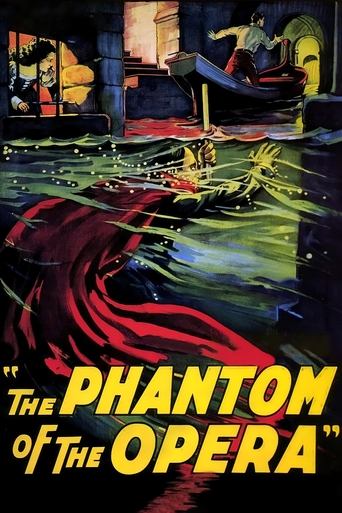
- The Phantom of the Opera (1925)
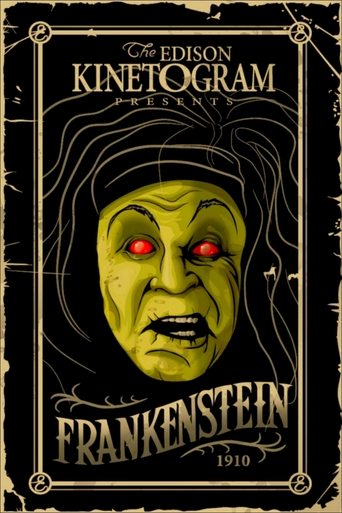
- Frankenstein (1931)
- The Hunchback of Notre Dame (1939)
- Beauty and the Beast (1946)
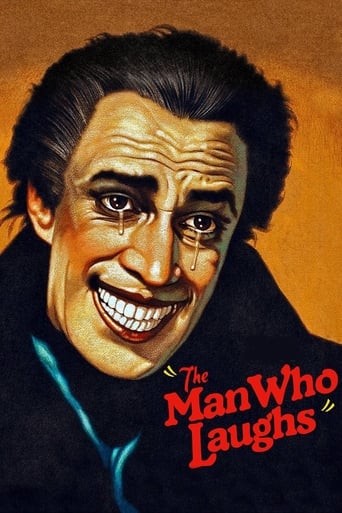
- The Man Who Laughs (1928)
- Freaks (1932)
- King Kong (1933)
- The Hunchback of Notre Dame (1956)
- The Hunchback of Notre Dame (1996 Disney animated)
- The Shape of Water (2017)
Film restoration
The Hunchback of Notre Dame survives in complete form and has been preserved by the Library of Congress and the UCLA Film and Television Archive. Several prints exist in various archives worldwide, though some show varying degrees of deterioration. The film has undergone multiple restorations, most notably by Universal Studios in the 1990s and by independent preservationists in the 2000s. A 4K restoration was completed in 2015 using original nitrate elements and duplicate negatives, revealing details not seen since the film's original release. The original tinting and toning schemes have been reconstructed for some releases, restoring the film's original visual presentation. The film is considered well-preserved for a silent-era production, with no lost scenes or missing reels reported. The original intertitles survive in complete form, allowing for accurate reconstructions of the film's narrative structure.
Where to watch
- The Criterion Collection (Blu-ray/DVD)
- Kino Lorber (Blu-ray/DVD)
- The Internet Archive (free streaming)
- Turner Classic Movies (periodic television broadcasts)
- FilmStruck (streaming service - historical availability)
- Fandor (streaming service)
- MUBI (streaming service - periodic availability)
- Classic cinema revival theaters and film festivals
- University film archives and special collections
- Public domain streaming sites (various quality levels)