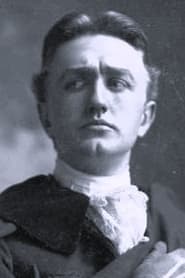
Wallace Worsley
Director
Born: 1880 in Rome, Wisconsin, United States Died: October 28, 1944 Active: 1916-1930 Birth Name: Wallace McCutcheon Worsley
Films
3 films
About Wallace Worsley
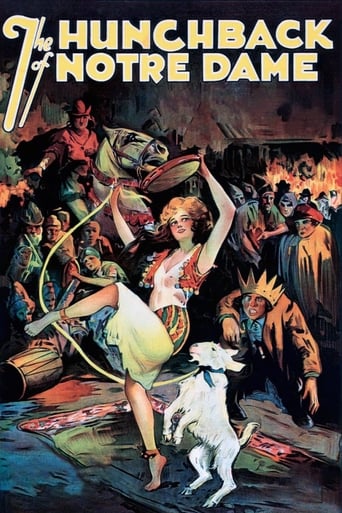
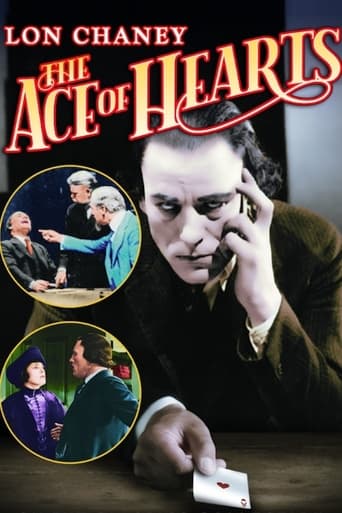
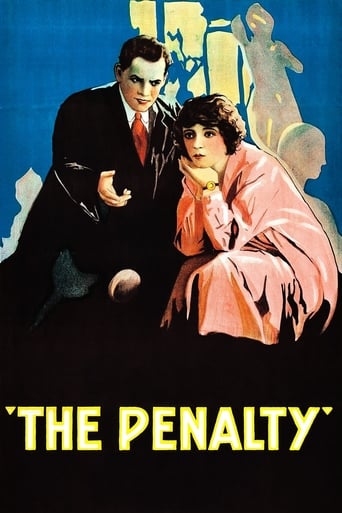
Wallace Worsley (often credited as Wallace Worsley Sr. To distinguish him from his son) was an American film and stage director whose career bridged the late silent era and the early years of sound, although his most celebrated work belongs to the silent period. He was born in 1878 and worked in theatre before moving into motion pictures, a background that helped shape his strong sense of visual composition and actor-centered staging. Worsley directed a relatively small number of films compared with many of his contemporaries, but several of them became enduring classics, especially The Penalty (1920), The Ace of Hearts (1921), and The Hunchback of Notre Dame (1923), all of which showcased dramatic intensity and elaborate physical characterization. His work is especially remembered for its command of atmosphere, expressionist-leaning visual mood, and memorable use of star performances, notably Lon Chaney in The Penalty and The Hunchback of Notre Dame. Worsley’s reputation rests less on prolific output than on the high artistic quality and lasting fame of his best-known films. He died in 1944, leaving a compact but significant directorial legacy in American silent cinema.
The Craft
Behind the Camera
Worsley’s directing style is best described as dramatic, atmospheric, and highly attuned to physical performance. He favored stark emotional contrasts, visually legible storytelling, and compositions that emphasized mood and spectacle without sacrificing actor expression. His silent films often rely on intense close-ups, carefully staged tableaux, and a strong sense of gothic or melodramatic tension, making him particularly effective in material that demanded visual storytelling and heightened emotion. He is also remembered for giving Lon Chaney the space to create iconic character transformations while maintaining narrative clarity and momentum.
Milestones
- Directed the acclaimed silent crime melodrama The Penalty (1920), starring Lon Chaney in one of his most famous early roles
- Directed The Ace of Hearts (1921), a psychological crime drama noted for its moody suspense and strong ensemble performances
- Directed The Hunchback of Notre Dame (1923), one of the signature prestige epics of the silent era and a landmark collaboration with Lon Chaney
- Built a reputation for visually expressive, actor-focused silent cinema with a relatively small but highly regarded body of work
- Worked with major studio-era talent and contributed to the evolution of feature-length dramatic storytelling in early Hollywood
- Extended his career into the early sound period, though his most important and best-remembered work remains in silent film
Best Known For
Must-See Films
Working Relationships
Worked Often With
Studios
Why They Matter
Impact on Culture
Wallace Worsley’s cultural impact is inseparable from the enduring popularity of the silent films he directed, especially the Lon Chaney vehicles that remain staples of film history. The Hunchback of Notre Dame helped define how Hollywood could adapt literary classics into large-scale prestige pictures while preserving strong emotional and visual impact, and The Penalty is still studied as a prime example of silent crime melodrama and transformative performance. Even though Worsley was not a prolific director in the way some of his peers were, the films associated with his name continue to shape how silent-era horror, melodrama, and psychological crime stories are discussed and restored. His work also demonstrates how directors in the silent period collaborated with actors to build performances that transcended dialogue and relied on gesture, makeup, setting, and rhythm.
Lasting Legacy
Worsley’s legacy rests on quality over quantity: a handful of films that are regularly cited among the most memorable and artistically ambitious in American silent cinema. He is especially remembered as one of the directors who helped define Lon Chaney’s screen persona by framing Chaney’s physical transformations within stories of pathos, suspense, and moral complexity. In film history, Worsley stands as an important craftsman of the silent era whose best-known titles remain preserved, screened, and studied by historians, repertory theaters, and classic-film audiences. His name endures because the films themselves endure, and because they represent some of the strongest examples of silent-era visual storytelling.
Who They Inspired
Worsley influenced later filmmakers through his model of combining gothic spectacle with precise emotional storytelling. Directors working in horror, melodrama, and literary adaptation have drawn from the same principles visible in his films: expressive mise-en-scène, emphasis on performance under heavy makeup or physical alteration, and careful visual narration. His collaboration with Lon Chaney helped establish a template for the actor-centered monster or outsider figure, a tradition that later horror and character-driven cinema repeatedly revisited. While he did not leave behind a large school of direct protégés, his surviving films influenced the aesthetics of silent-film restoration, film scholarship, and the broader canon of early American genre cinema.
Off Screen
Wallace Worsley’s personal life is less thoroughly documented than that of many major silent-era figures, and surviving biographical details are comparatively sparse. He was the father of actor-director Wallace Worsley Jr., which is one reason he is sometimes identified as Wallace Worsley Sr. Available historical records do not consistently preserve extensive information about his marriages, domestic life, or private relationships. He appears to have maintained a comparatively low public profile outside his professional work, and most surviving accounts focus on his films rather than his personal affairs.
Education
Formal educational details are not well documented in surviving public sources. His background in stage work suggests practical theatrical training and experience rather than a widely recorded academic path.
Did You Know?
- He is sometimes listed as Wallace Worsley Sr. Because his son, Wallace Worsley Jr., also worked in film as an actor and director.
- Despite directing only a relatively small number of surviving well-known films, he is strongly associated with some of the most famous Lon Chaney vehicles of the silent era.
- The Hunchback of Notre Dame (1923) is often singled out as one of the greatest prestige productions of the silent period, and Worsley’s direction was central to its impact.
- His background in theatre likely contributed to his sensitivity to performance and staging in silent cinema.
- He was active mainly during the silent period, but his career extended into the early sound era as Hollywood transitioned to new technology.
- The Penalty (1920) remains notable for its shocking premise, elaborate makeup effects, and Chaney’s physically demanding performance.
- Worsley’s surviving reputation is much larger than his filmography, demonstrating how a few landmark titles can secure a lasting place in film history.
- He worked during a time when directors were often less publicly celebrated than stars, which contributes to the relative obscurity of his personal life compared with his films.
Frequently Asked Questions
Who was Wallace Worsley?
American silent-era on YTB.my. He is especially remembered for his work with Lon Chaney and for his skill in atmospheric, emotionally intense visual storytelling.
What films is Wallace Worsley best known for?
Titles linked here include The Penalty (1920), The Ace of Hearts (1921).
When was Wallace Worsley born and when did he die?
Born 1880; died October 28, 1944.
What awards did Wallace Worsley win?
No major competitive awards are consistently documented for Wallace Worsley in the surviving record. Like many silent-era directors, his reputation rests more on the lasting importance of his films than on formal award recognition.
What was Wallace Worsley's directing style?
Worsley’s directing style was dramatic, atmospheric, and strongly focused on performance and visual storytelling. He was especially effective in gothic, melodramatic, and psychologically charged material, where he could combine expressive staging with memorable star turns.
What is Wallace Worsley's legacy in film history?
His legacy lies in the enduring fame of the films he directed, especially his collaborations with Lon Chaney. He helped shape some of silent cinema’s most iconic images and remains an important figure in the history of American silent features.