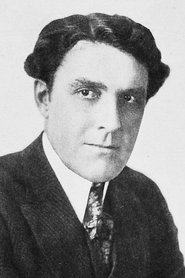
Harry von Meter
Actor
Born: April 29, 1871 in Malta Bend, Missouri, USA Died: June 2, 1956 Active: 1912-1929
Films
4 films
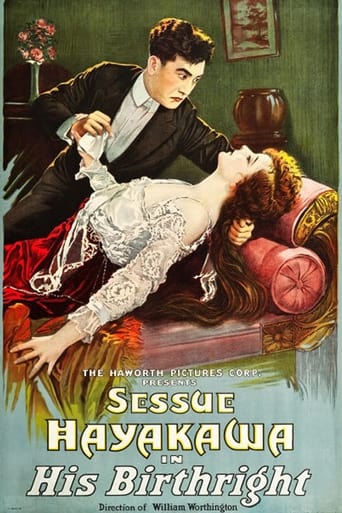
About Harry von Meter
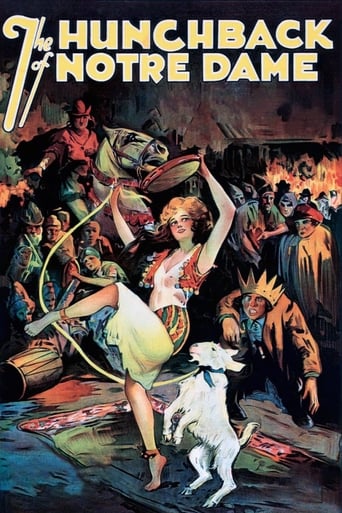
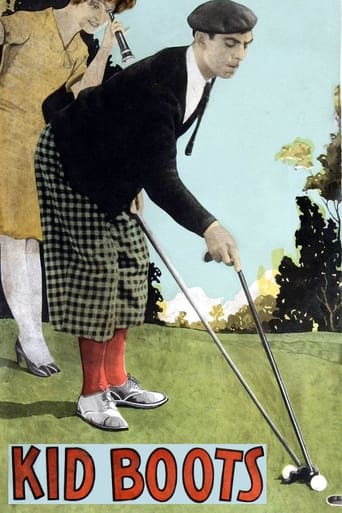
prolific American character actor of the silent film era — known for his distinctive appearance and versatility in supporting roles. Born in Missouri in 1871, he began his acting career on the stage before transitioning to films in the early 1910s. Von Meter appeared in over 200 films between 1912 and 1929, working with major studios including Universal, Fox, and Metro Pictures. He specialized in playing authority figures, villains, and gentlemen, often sporting his signature mustache that made him instantly recognizable to audiences. His most notable performances include roles in Lon Chaney's The Hunchback of Notre Dame (1923) and the comedy Kid Boots (1926). As the transition to sound films began, von Meter's career naturally wound down, and he retired from acting in the late 1920s. He spent his final years in California, passing away in 1956 at the age of 85, leaving behind a legacy as one of silent cinema's most reliable character actors.
The Craft
On Screen
Harry von Meter's acting style was quintessentially suited to the silent film era, characterized by exaggerated facial expressions and broad gestures that effectively conveyed emotion without dialogue. He had a commanding presence on screen, often using his distinctive mustache and piercing eyes to create memorable characterizations. Von Meter excelled at playing both sympathetic and villainous roles, bringing depth to supporting characters that enhanced the main narrative. His technique involved careful study of his character's motivations, resulting in performances that, while melodramatic by modern standards, were perfectly calibrated for silent film audiences who relied on visual storytelling.
Milestones
- Transition from stage to film in early 1910s
- Appeared in over 200 silent films
- Worked with major studios including Universal and Fox
- Notable role in The Hunchback of Notre Dame (1923) alongside Lon Chaney
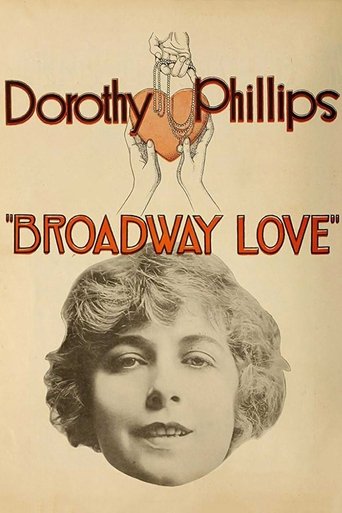
- Starred in Broadway Love (1918) with Norma Talmadge
- Appeared in Kid Boots (1926) with Eddie Cantor
- Became
Best Known For
Iconic Roles
Must-See Films
Accolades
Special Recognition
- Recognized as
- Posthumous appreciation in silent film scholarship and classic cinema archives
Working Relationships
Worked Often With
Studios
Why They Matter
Impact on Culture
Harry von Meter contributed significantly to the American silent cinema as one of the era's most recognizable character actors. His consistent performances across hundreds of films helped establish the visual language of silent film storytelling, particularly in the development of supporting character archetypes. Von Meter's work exemplified how character actors could provide essential narrative support while creating memorable personas that audiences would recognize and anticipate. His appearances in major productions like The Hunchback of Notre Dame demonstrated the importance of reliable supporting players in creating immersive cinematic worlds. Though often uncredited or minimally acknowledged in contemporary reviews, his contributions to the silent film era have been increasingly appreciated by film historians and silent cinema enthusiasts who recognize the crucial role character actors played in the success of early Hollywood productions.
Lasting Legacy
Harry von Meter's legacy endures through his extensive filmography, which serves as a valuable resource for understanding the craft of silent film acting. He represents the dedicated journeyman actor who formed the backbone of early Hollywood, providing consistency and professionalism across countless productions. Modern film scholars and silent film enthusiasts continue to study his performances as examples of effective character acting in the silent era. His work helps preserve the artistic techniques and storytelling methods of a pivotal period in cinema history. While never a star, von Meter's contributions to over 200 films ensure that his presence continues to be felt in the preservation and study of American silent cinema.
Who They Inspired
Harry von Meter influenced subsequent generations of character actors through his demonstrated ability to create distinct, memorable characters within limited screen time. His techniques for conveying personality and motivation through physical expression and subtle gestures provided a template for actors transitioning from silent films to talkies. Younger actors who worked with him learned the importance of reliability, professionalism, and the craft of supporting character development. His career trajectory showed how a character actor could build a sustainable, long-lasting career in Hollywood without achieving stardom, influencing how many actors approached their careers in the studio system era.
Off Screen
Harry von Meter led a relatively private personal life away from the glitz of early Hollywood. He married Margaret L. McHugh in 1898, and the couple remained together until her death in 1948. They had one daughter, Dorothy, who was born in 1900. Unlike many of his contemporaries, von Meter avoided scandal and maintained a reputation as a professional, reliable actor who was well-respected by his colleagues. After retiring from films, he lived quietly in California, enjoying his later years away from the public eye while occasionally attending silent film reunions and events.
Education
Limited formal education, trained in stage acting through practical experience in traveling theater companies
Family
- Margaret L. McHugh (1898-1948)
Did You Know?
- Appeared in over 200 films during his career, making him
- His distinctive mustache became his trademark and made him instantly recognizable to audiences
- Often played authority figures such as judges, bankers, and government officials
- Worked with legendary horror star Lon Chaney in multiple films
- Successfully transitioned from stage acting to films during the early days of Hollywood
- Never received on-screen credit for many of his early roles, as was common for character actors of the period
- His active years covered the entire golden age of silent cinema
- Retired just as sound films were becoming dominant in Hollywood
- Was known for his reliability and professionalism on set, rarely missing shooting days
- His daughter Dorothy briefly attempted an acting career but did not achieve the same level of success
In Their Own Words
The art of character acting lies not in seeking the spotlight, but in illuminating the path for the stars.
In silent pictures, every gesture must speak volumes; there is no dialogue to hide behind.
A mustache can say more about a character than pages of dialogue ever could.
Frequently Asked Questions
Who was Harry von Meter?
Screen credits include over 200 silent films between 1912 and 1929. Known for his distinctive mustache and authoritative presence, he specialized in playing supporting roles as villains, government officials, and gentlemen in numerous Hollywood productions.
What films is Harry von Meter best known for?
Titles linked here include The Hunchback of Notre Dame (1923), Broadway Love (1918).
When was Harry von Meter born and when did he die?
Born April 29, 1871; died June 2, 1956.
What awards did Harry von Meter win?
Harry von Meter did not receive any major formal awards or nominations during his career, which was common for character actors of the silent era. However, he is recognized today by film historians as.
What was Harry von Meter's acting style?
Harry von Meter's acting style was characterized by the expressive, dramatic techniques typical of silent film performers. He used exaggerated facial expressions, broad gestures, and his distinctive appearance to create memorable characters. His performances were perfectly suited to the visual storytelling requirements of silent cinema.
How many films did Harry von Meter appear in?
Harry von Meter appeared in over 200 films during his career, making him. His filmography spans from 1912 to 1929, covering virtually the entire golden age of American silent cinema.
Did Harry von Meter transition to sound films?
No, Harry von Meter effectively retired from acting just as the transition to sound films was beginning in the late 1920s. His last film appearances were in 1929, and he chose to retire rather than attempt to adapt his silent film acting style to the new sound era.