Broadway Love
"Broadway lights, rough edges"
Keys: Space play/pause · ←/→ 10s · F fullscreen · M mute · </> speed
About this film
Small-town Dorothy arrives in New York chasing Broadway fame and falls among fast company. Ida May Park's Broadway Love (1918) warns of urban temptation for provincial women.
Cast & crew
More films like this
More Romance films
View all →




More about this film
About the production
Release dateMarch 18, 1918
ProductionUniversal Film Manufacturing Company
Filmed inUniversal City, California
Directed by Ida May Park, one of the few women directing feature films during the silent era. The film was part of Universal's Bluebird lineup, which were higher-budget productions aimed at more sophisticated audiences. The production utilized elaborate sets designed to recreate the Broadway theater district atmosphere on the Universal backlot.
Themes
Innocence vs. experienceSmall-town values vs. urban sophisticationThe price of fameMoral temptationWomen's independence
Themes & topics
BroadwayactressNew York Cityshow businesstemptationsmall townbig citymoralitytheaterfameinnocencecorruptionambitionromancesilent film
Historical background
Broadway Love reflects wartime migration of young women to city entertainment jobs.
Why this film matters
Shopgirl-to-stage narratives recur in silent-era moral tales about female ambition.
Making of
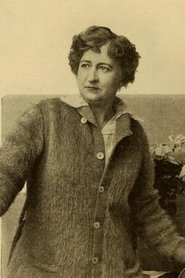
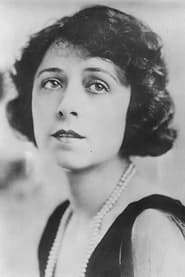
Ida May Park, who had previously worked as a screenwriter, brought her narrative expertise to this production, focusing on the psychological journey of the protagonist. The film was shot during a transitional period in Hollywood when studios were moving toward longer, more complex narratives. The production team constructed elaborate theater district sets on Universal's backlot, including detailed facades of Broadway theaters and nightclubs. The cast, led by Dorothy Phillips who was one of Universal's top stars, worked closely with Park to develop the nuanced emotional arcs required by the story. The film was part of Universal's strategy to compete with major studios by producing more sophisticated, adult-oriented content under their Bluebird imprint.
What critics said
Reviews treated it as cautionary melodrama; historians place it in women-directed silent work.
Did you know?
- Ida May Park was one of the pioneering female directors in early Hollywood, directing over 30 films between 1917 and 1920
- The film was part of Universal's prestigious Bluebird series, which featured higher production values and more mature themes
- Dorothy Phillips was married to Universal star-director Allen Holubar, giving her significant influence within the studio
- The film's theme of small-town innocence corrupted by big city life was a popular trope in silent cinema
- 1918 was during the Spanish Flu pandemic, which affected film production and theater attendance worldwide
- The film was released just months before the end of World War I, during a period of significant social change in America
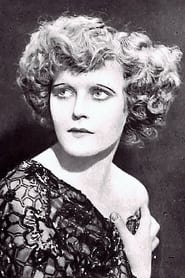
- Juanita Hansen would later become embroiled in a major Hollywood scandal in the early 1920s
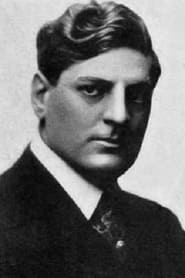
- William Stowell died tragically young in a train accident in 1919, just a year after the production's release
- The film's sets were designed by Universal's art department to authentically recreate the Broadway theater district atmosphere
- Silent films of this era often featured live musical accompaniment that varied by theater, with each venue creating their own score
Visual style
The cinematography, likely handled by Universal staff cameramen, employed the visual techniques typical of 1918 filmmaking, including dramatic lighting to contrast the innocence of small-town life with the shadows of urban sophistication. The film used location-style shooting on Universal's New York street sets to create a sense of authenticity in the Broadway sequences. Camera work included medium close-ups to capture emotional moments, particularly in scenes featuring Dorothy Phillips' character's internal conflicts. The visual style emphasized the contrast between the bright, open spaces of the protagonist's hometown and the confined, shadowy interiors of New York nightlife establishments.
Innovations
While not groundbreaking in technical terms, the film demonstrated Universal's growing sophistication in production values under the Bluebird imprint. The studio's art department created detailed sets that convincingly replicated the Broadway theater district atmosphere, a significant achievement for 1918. The film employed effective use of lighting to create mood and contrast between different settings, showing the growing technical expertise of Hollywood cinematographers. The production also utilized more complex editing techniques than earlier films, with cross-cutting between parallel storylines to build dramatic tension, reflecting the evolving language of cinema narrative techniques.
Music
As a silent film, Broadway Love would have featured live musical accompaniment varying by theater. Larger urban theaters might have employed small orchestras to perform original scores or classical pieces, while smaller venues typically used a pianist or organist. The music would have been cued to the on-screen action, with romantic themes for love scenes, dramatic music for moments of temptation, and pastoral melodies for hometown sequences. Universal likely provided musical cue sheets to theaters suggesting appropriate pieces for different scenes, though individual musicians often improvised based on their experience and the audience's reactions.
Famous quotes
The lights of Broadway beckon, but do they blind?
In the city of dreams, nightmares are born
Every star that shines on Broadway casts a shadow
Memorable scenes
- The protagonist's first arrival in New York, overwhelmed by the towering buildings and bustling streets
- The dramatic theater audition scene where she must choose between integrity and advancement
- The climactic confrontation in a Broadway nightclub where past and present collide
What audiences thought
The film appears to have been moderately successful with audiences in 1918, particularly appealing to young women viewers who could relate to the protagonist's aspirations and challenges. Theater reports from the era indicated good attendance in urban markets, where the Broadway setting would have been familiar to patrons. The film's themes of urban temptation and moral choices resonated with audiences navigating the rapid social changes of the World War I era. While not a blockbuster hit, the film performed well enough to justify Universal's investment in more sophisticated productions under their Bluebird banner. Audience letters published in trade magazines of the time suggest viewers appreciated the film's more realistic approach to the entertainment industry compared to more fantastical stories common in the period.
Film connections
Influenced by
- The influence of stage melodramas
- Contemporary newspaper stories about Broadway scandals
- Earlier 'city vs. country' films like 'The Country Girl' (1915)
- Literary traditions of the fallen woman narrative
- D.W. Griffith's narrative techniques
- The real-life experiences of actresses in early Hollywood
This film influenced
- Later films about Broadway and show business
- Universal's subsequent Bluebird productions
- Films exploring similar themes of small-town innocence in the big city
- Works by other female directors of the silent era
Film restoration
Like many films from the silent era, Broadway Love is considered partially lost or incomplete. The Library of Congress and other film archives may hold fragments or single reels, but a complete print is not known to survive. This is unfortunately typical for Universal films from this period, as the studio suffered a major vault fire in 1924 that destroyed many of their silent-era negatives. Some production stills and promotional materials survive, providing visual documentation of the film's content and style.
Where to watch
- The film is not currently available on commercial streaming platforms due to its incomplete preservation status
- Film archives such as the Library of Congress or the Academy Film Archive may hold fragments for research purposes
- Occasional screenings at silent film festivals if sufficient footage is available
- Some clips or stills may be accessible through academic databases or film history websites