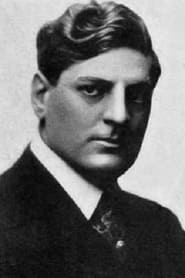
William Stowell
Actor
Born: July 16, 1885 in Boston, Massachusetts, USA Died: December 8, 1918 Active: 1909-1918
Films
3 films
About William Stowell
Prominent American silent film actor: the crucial developmental years of cinema from 1909 until his tragic death in 1918. Born in Boston, Massachusetts, he began his film career at the dawn of the motion picture industry and quickly rose to become a leading man, appearing in over 100 films during his brief but prolific career. Stowell worked extensively with Universal Pictures and developed a particularly fruitful collaboration with director Allen Holubar, starring in several of his most ambitious productions. He was often cast as the romantic lead opposite popular actresses of the era, including Dorothy Phillips, with whom he frequently co-starred. His performance in 'The Heart of Humanity' (1918), a World War I epic, is considered his most significant work and powerful anti-war films of the silent era. Stowell's career was characterized by his naturalistic acting style and commanding screen presence, which made him one of the more recognizable leading men of his time. His promising career was cut tragically short when he died in a hunting accident at the age of 33, just as he was reaching the peak of his popularity and artistic development.
The Craft
On Screen
William Stowell was known for his naturalistic and understated acting style, which stood out during an era when many silent film actors employed exaggerated gestures and melodramatic expressions. He brought a sense of authenticity and emotional depth to his roles, particularly in romantic and dramatic scenes. His screen presence was commanding yet subtle, allowing him to convey complex emotions through minimal facial expressions and body language. Stowell's approach to acting was ahead of its time, foreshadowing the more realistic performance styles that would become standard in later cinema. He had particular skill in portraying romantic leads with sincerity and emotional vulnerability, making him a favorite among audiences of the era.
Milestones
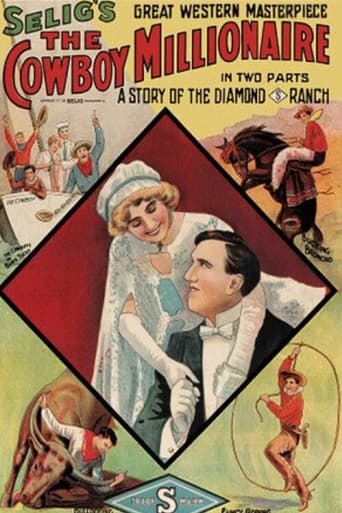
- Film debut in 'The Cowboy Millionaire' (1909)
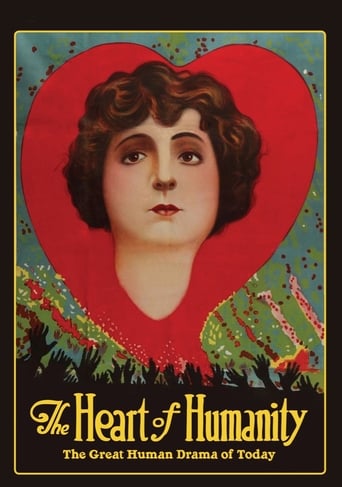
- Leading role in 'The Heart of Humanity' (1918)
- Collaboration with director Allen Holubar
- Over 100 film appearances in 9-year career
- Leading man status at Universal Pictures
Best Known For
Iconic Roles
Must-See Films
Accolades
Special Recognition
- Posthumous recognition as a significant figure in silent cinema history
Working Relationships
Worked Often With
Studios
Why They Matter
Impact on Culture
William Stowell contributed significantly to the development of leading man archetypes in early American cinema. His naturalistic acting style helped move silent film performance away from theatrical exaggeration toward more subtle and realistic portrayals. In 'The Heart of Humanity,' his performance helped create. Stowell's work with director Allen Holubar helped establish Universal Pictures as a serious competitor in producing quality dramatic films during the 1910s. His career, though brief, represents the transition period in American cinema from short one-reel films to feature-length productions with more sophisticated narratives and character development.
Lasting Legacy
William Stowell's legacy is that of a promising talent whose potential was never fully realized due to his untimely death. Film historians and silent cinema enthusiasts recognize him as one of the more accomplished leading men of the 1910s, whose natural acting style was ahead of its time. His most famous film, 'The Heart of Humanity,' continues to be studied and appreciated as an important example of World War I cinema and early anti-war filmmaking. Stowell is remembered as part of the first generation of American film actors who helped establish the language of cinema performance. His tragic death at age 33 has made him something of a figure in silent cinema history, representing the many talents of the era whose careers were cut short by the circumstances of the time. His surviving films serve as important examples of the artistic development of American cinema during its formative years.
Who They Inspired
William Stowell influenced subsequent generations of actors through his naturalistic approach to film acting, which contrasted with the more theatrical styles common in early cinema. His work helped demonstrate that subtle, realistic performances could be effective on screen, paving the way for more naturalistic acting styles in the 1920s and beyond. His collaboration with director Allen Holubar showed how actor-director partnerships could result in more artistically ambitious films, influencing how such creative relationships would develop in Hollywood. Stowell's performance in war-themed films helped establish conventions for portraying military characters and the emotional impact of warfare that would influence later war films. While his direct influence was limited by his short career, his example contributed to the ongoing evolution of film acting techniques during the crucial transition from theatrical to cinematic performance styles.
Off Screen
William Stowell married fellow actress Rita Stanwood, and their relationship was one of the more notable romances in early Hollywood. The couple was frequently seen together at industry events and was considered one of the more stable relationships in the tumultuous early film industry. Stowell was known among his colleagues as a dedicated professional who took his craft seriously and was respected for his work ethic and talent. His tragic death in December 1918 came at the height of his career and personal happiness, leaving his wife and the film community in shock. The circumstances of his death - a hunting accident - were particularly tragic given that he was at the peak of his artistic powers and had many more promising years ahead of him.
Family
- Rita Stanwood
Did You Know?
- Appeared in over 100 films in just 9 years
- Died in a hunting accident at age 33
- His last film 'The Heart of Humanity' was
- Frequently co-starred with Dorothy Phillips, creating one of the popular screen couples of the era
- Worked primarily with Universal Pictures during his most productive years
- His natural acting style was considered ahead of its time in the silent era
- The Cowboy Millionaire (1909) was one of his earliest known film appearances
- His death occurred just as he was reaching the peak of his popularity
- Many of his films are now considered lost, a common fate for silent era productions
- Was married to actress Rita Stanwood, creating one of Hollywood's early power couples
Frequently Asked Questions
Who was William Stowell?
Screen credits include over 100 films between 1909 and 1918. He was known for his naturalistic acting style and leading man roles, particularly in Universal Pictures productions and collaborations with director Allen Holubar.
What films is William Stowell best known for?
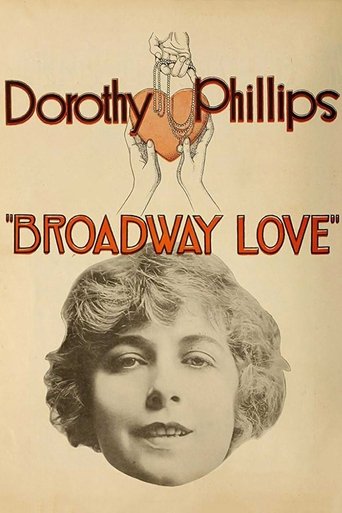
Titles linked here include The Heart of Humanity (1918), Broadway Love (1918).
When was William Stowell born and when did he die?
Born July 16, 1885; died December 8, 1918.
What awards did William Stowell win?
William Stowell did not receive formal awards during his career, as the Academy Awards were not established until after his death in 1918. However, he is recognized by film historians as an important figure in silent cinema history for his contributions to early film acting.
What was William Stowell's acting style?
William Stowell was known for his naturalistic and understated acting style, which was ahead of its time in the silent era. Unlike many of his contemporaries who used exaggerated gestures, Stowell employed subtle expressions and realistic emotions, bringing authenticity to his romantic leading roles.