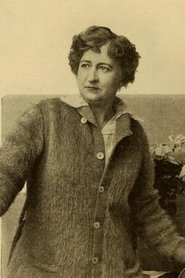
Ida May Park
Director
Born: December 28, 1879 in Los Angeles, California, United States Died: June 13, 1954 Active: 1911-1925
Films
1 film
About Ida May Park
Ida May Park (1879-1954) was an American film director, screenwriter, and actress who emerged as one of the few prominent women directors during the silent film era. Beginning her career as an actress in the early 1910s, she quickly transitioned to screenwriting, penning numerous scripts for Universal Pictures. Her directorial debut came in 1917, and she went on to direct approximately 20 films between 1917 and 1920, working primarily with Universal's Bluebird Productions unit. Park was married to fellow director Joseph De Grasse, with whom she frequently collaborated both professionally and personally. Her films often focused on melodramatic narratives with strong female protagonists, reflecting her understanding of women's perspectives in storytelling. Despite her prolific output during her brief directing career, Park's work was largely forgotten until recent decades when film historians began rediscovering the contributions of women in early cinema. Her career as a director effectively ended by 1920, though she continued writing screenplays throughout the 1920s before retiring from the film industry.
The Craft
Behind the Camera
Ida May Park's directing style was characterized by its focus on intimate character studies and melodramatic narratives, often centering on strong female protagonists facing moral and emotional challenges. Her films demonstrated a keen understanding of visual storytelling within the constraints of silent cinema, using expressive close-ups and careful composition to convey emotional depth. Park's work frequently explored themes of love, sacrifice, and social issues affecting women, reflecting a distinctly feminine perspective uncommon in male-dominated Hollywood of the era. Her direction was noted for its sensitivity to character development and ability to elicit nuanced performances from her actors, particularly in emotional scenes.
Milestones
- Directed 20 films between 1917-1920
- Wrote over 40 screenplays during her career
- One of the few women directors at Universal Studios in the 1910s
- Collaborated frequently with husband Joseph De Grasse
- Worked with prominent silent film stars like Lon Chaney and Dorothy Phillips
Best Known For
Iconic Roles
Must-See Films
Accolades
Special Recognition
- Recognized by film historians as a woman director of the silent era
- Featured in academic studies of women in early cinema
Working Relationships
Worked Often With
Studios
Why They Matter
Impact on Culture
Ida May Park represents a crucial but often overlooked chapter in cinema history as one of the women directors of the silent era. During a period when women comprised less than 5% of directors in Hollywood, Park managed to establish herself as a prolific filmmaker at Universal Studios, directing 20 films in just three years. Her work challenged contemporary gender norms by presenting complex female characters and addressing women's issues in her narratives. Park's success as both a writer and director demonstrated the creative capabilities of women in early cinema, paving the way for future generations of female filmmakers. Her career serves as important evidence that women played significant creative roles in Hollywood's formative years, contrary to the traditional male-dominated narrative of film history.
Lasting Legacy
Ida May Park's legacy has experienced a significant reassessment in recent decades as film historians and scholars have worked to recover the contributions of women in early cinema. Her films, once considered lost or forgotten, have been rediscovered and analyzed for their unique feminine perspective and technical competence within the silent film medium. Park is now recognized as an important figure in the history of women's filmmaking, often cited alongside contemporaries like Lois Weber and Dorothy Arzner as evidence of women's substantial creative roles in early Hollywood. Her work has been featured in film retrospectives and academic studies focused on women directors, helping to rewrite the narrative of film history to include the often-overlooked contributions of female filmmakers. Park's career serves as an inspiration for contemporary women in film and a reminder of the rich, diverse history of women's participation in cinema from its earliest days.
Who They Inspired
While Ida May Park's direct influence on subsequent filmmakers was limited by the early end of her directing career, her work has influenced modern film historians and feminist film scholars who study the role of women in early cinema. Her films provide valuable examples of how women directors approached storytelling differently from their male counterparts, particularly in their treatment of female characters and women's issues. Contemporary women filmmakers studying Park's work have noted her skill in creating complex female protagonists and her ability to address social issues within the commercial constraints of studio filmmaking. Park's career has also influenced ongoing efforts to recover and preserve films by women directors, contributing to a broader understanding of cinema's diverse creative heritage.
Off Screen
Ida May Park married director Joseph De Grasse in 1915, and their personal and professional partnership became. The couple worked together on numerous films, with Park often writing scripts that De Grasse would direct, and occasionally directing films herself while he produced. Their marriage lasted until De Grasse's death in 1940. Park was known as a private individual who maintained a low public profile despite her professional success. After retiring from the film industry in the mid-1920s, she lived a quiet life away from Hollywood, with little public documentation of her later years until her death in 1954 at age 74.
Family
- Joseph De Grasse (1915-1940, his death)
Did You Know?
- One of only a handful of women directing feature films in Hollywood during the 1910s
- Wrote the screenplay for 'The Millionaire's Double' (1917) which her husband directed
- Her film 'The Risky Road' (1918) starred her frequent collaborator Dorothy Phillips
- Worked during the same period at Universal as other women filmmakers like Lois Weber
- Many of her films are now considered lost, a common fate for silent era productions
- Her directing career was remarkably brief but prolific - 20 films in just three years
- Often wrote under pseudonyms in addition to her own name
- Part of Universal's prestigious Bluebird Productions unit, which produced higher-budget films
- Collaborated with horror icon Lon Chaney early in his career
- Her films frequently explored themes of social class and women's independence
Frequently Asked Questions
Who was Ida May Park?
American on YTB.my. She was one of the few women directors in Hollywood during the 1910s, directing approximately 20 films between 1917 and 1920, primarily for Universal Pictures.
What films is Ida May Park best known for?
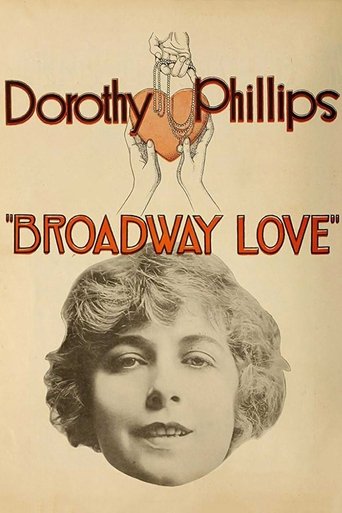
Titles linked here include Broadway Love (1918), The Mask (1918).
When was Ida May Park born and when did she die?
Born December 28, 1879; died June 13, 1954.
What awards did Ida May Park win?
Ida May Park did not receive any major film awards during her career, as she worked primarily before the establishment of the Academy Awards. However, she is now recognized by film historians as a woman director of the silent era.
What was Ida May Park's directing style?
Park's directing style focused on intimate character studies and melodramatic narratives, often centering on strong female protagonists. Her films demonstrated a keen understanding of visual storytelling in silent cinema and frequently explored themes affecting women from a distinctly feminine perspective.
How was Ida May Park related to Joseph De Grasse?
Ida May Park was married to director Joseph De Grasse from 1915 until his death in 1940. They frequently collaborated professionally, with Park writing scripts that De Grasse would direct, and they were.
Why did Ida May Park's directing career end so quickly?
The exact reasons for Park's brief directing career (1917-1920) are not fully documented, but it coincided with increasing industry consolidation and the decline of opportunities for women in Hollywood as the studio system became more rigid. She continued writing screenplays through the 1920s before retiring from the film industry.