
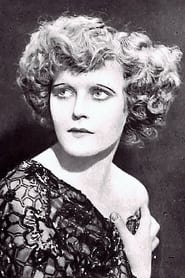
Juanita Hansen
Actor
Born: March 3, 1895 in Des Moines, Iowa, USA Died: September 26, 1961 Active: 1914-1925 Birth Name: Juanita C. Hansen
Films
4 films
About Juanita Hansen
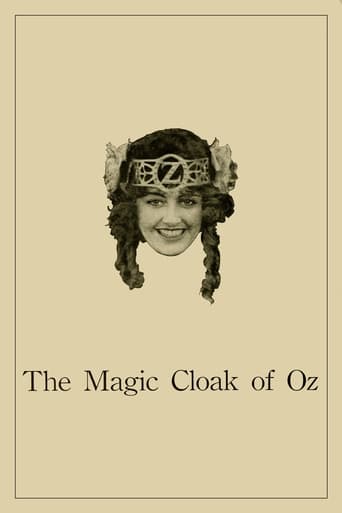
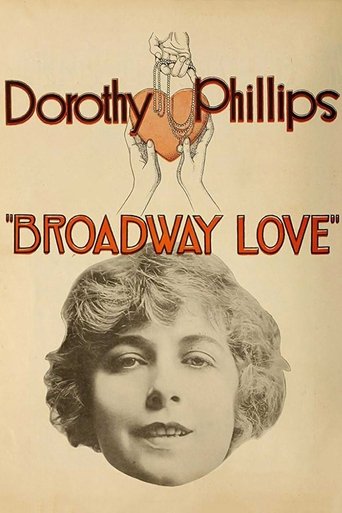
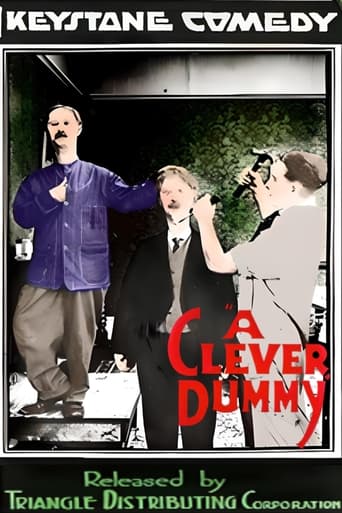
Juanita Hansen is credited on a single production — A Clever Dummy (1917). She began her career in 1914 with a role in 'The Magic Cloak of Oz,' an early adaptation of L. Frank Baum's work, and quickly became a popular leading lady particularly known for her appearances in comedy shorts and film serials. Hansen worked alongside comedy star Harold Lloyd in films such as 'A Clever Dummy' (1917) and starred in Universal's successful serial 'The Lure of the Circus' (1918). Her career peaked in the late 1910s with starring roles in films like 'Broadway Love' (1918) and 'The Master Mystery' (1919), which featured Harry Houdini. Despite her early success and popularity during the silent era, Hansen struggled to transition to sound films in the 1920s, and her career declined significantly by the 1930s. Her later years were marked by personal challenges including addiction and financial hardship, representing the precarious nature of stardom in early Hollywood. Juanita Hansen's story exemplifies the difficulties many silent actors faced with the advent of sound and the often tragic endings of once-promising careers.
The Craft
On Screen
Hansen employed the expressive, theatrical style typical of silent film actors, using exaggerated facial expressions and dramatic gestures to convey emotion effectively without dialogue. She demonstrated versatility across genres, from broad physical comedy in shorts with Harold Lloyd to more nuanced dramatic performances in serials and feature films. Her screen presence was characterized by a lively, energetic quality that made her particularly effective in action sequences and comedic situations, though her technique reflected the limitations and conventions of the silent era rather than naturalistic acting.
Milestones
- Breakthrough role in 'The Magic Cloak of Oz' (1914)
- Starring in Universal's serial 'The Lure of the Circus' (1918)
- Popular comedy shorts with Harold Lloyd
- Leading lady in 'The Master Mystery' (1919) serial opposite Harry Houdini
- Transition to dramatic roles in the early 1920s
- One of Universal's highest-paid actresses during her peak
Best Known For
Iconic Roles
Must-See Films
Working Relationships
Worked Often With
Studios
Why They Matter
Impact on Culture
Juanita Hansen's career provides valuable insight into the structure and volatility of the early Hollywood studio system, particularly the serial film format that was enormously popular in the 1910s. Her work in Oz adaptations represents an important chapter in the early cinematic history of L. Frank Baum's creations, predating the more famous 1939 version. Hansen's trajectory from stardom to obscurity illustrates the precarious nature of fame in early cinema and the particular challenges faced by actresses as they aged or failed to transition to new technologies. Her story, while tragic, serves as an important case study in film history about the human cost of the entertainment industry's rapid evolution during the transition from silent to sound films.
Lasting Legacy
While Juanita Hansen is not widely remembered today, her filmography represents an important documentation of silent era entertainment, particularly the serial format that dominated popular cinema of the 1910s. Her performances in surviving films provide modern audiences with authentic examples of silent era acting techniques and the types of stories that captivated early moviegoers. Film historians and silent cinema enthusiasts value her work for its historical significance, particularly her appearances in early Oz adaptations and comedy shorts. Hansen's career trajectory also serves as a cautionary tale about the fleeting nature of stardom and the lack of support systems for performers in early Hollywood, making her story relevant to broader discussions about labor practices and mental health in the entertainment industry.
Who They Inspired
Juanita Hansen's direct influence on subsequent performers appears limited due to the relative obscurity of her later career and the tragic circumstances of her personal decline. However, her work in serial films contributed to the development of episodic storytelling techniques that would later influence television and modern streaming content. Her performances alongside comedy pioneers like Harold Lloyd helped establish patterns of romantic comedy dynamics that would evolve throughout film history. While she did not mentor specific protégés or create a distinct acting school, her body of work serves as an educational resource for actors and filmmakers studying silent era techniques and the evolution of screen performance.
Off Screen
Juanita Hansen's personal life was marked by both early success and later tragedy. She married Dr. Harry M. Bannister, a medical doctor, in 1917, but the marriage ended in divorce by 1923. Following her career decline in the late 1920s, Hansen developed a serious addiction to morphine, which became public knowledge in the 1930s and led to legal troubles and institutionalization. Her later years were characterized by extreme financial hardship, and she reportedly worked as an extra in films to support herself during her final decades. Hansen died in relative obscurity in Hollywood in 1961, largely forgotten by the industry that had once celebrated her as a leading lady.
Education
Limited information available about her formal education; she likely received basic education in Des Moines before entering show business
Family
- Dr. Harry M. Bannister (1917-1923)
Did You Know?
- Appeared in over 70 films during her decade-long career
- One of the few actresses to portray Dorothy in early Oz adaptations before Judy Garland
- Struggled with morphine addiction that became public in the 1930s
- Worked as an uncredited extra in her final years to support herself
- Her career decline coincided with the transition from silent to sound films
- At her peak was one of Universal Pictures' highest-paid actresses
- Made multiple appearances in film serials, a hugely popular format of the era
- Her story is often cited by film historians as an example of Hollywood's harsh treatment of aging stars
- Appeared with Harry Houdini in 'The Master Mystery' (1919)
- Was known for performing many of her own stunts in action sequences
In Their Own Words
No documented famous quotes from Juanita Hansen are available in historical records
Frequently Asked Questions
Who was Juanita Hansen?
Screen credits include over 70 films between 1914 and 1925. She was particularly known for her work in comedies, serials, and early fantasy films, including adaptations of L. Frank Baum's Oz books, and was one of Universal Pictures' most popular actresses during her peak years.
What films is Juanita Hansen best known for?
Titles linked here include The Magic Cloak of Oz (1914), A Clever Dummy (1917).
When was Juanita Hansen born and when did she die?
Born March 3, 1895; died September 26, 1961.
What awards did Juanita Hansen win?
Juanita Hansen did not receive any major formal awards or nominations during her career, which was common for many actors of the silent era before the establishment of major award ceremonies like the Academy Awards, which began in 1929 near the end of her active career.
What was Juanita Hansen's acting style?
Hansen employed the expressive, theatrical style typical of silent film actors, using exaggerated facial expressions and gestures to convey emotion effectively without dialogue. She was versatile enough to transition between comedy and dramatic roles, though her performances reflected the limitations and conventions of silent era acting techniques rather than naturalistic approaches.
What happened to Juanita Hansen's career after the silent era?
Hansen's career declined significantly with the advent of sound films in the late 1920s, as she struggled to adapt to the new medium and faced increasing competition from talking picture actors. By the 1930s, she had largely disappeared from major film roles and faced personal challenges including addiction that further derailed her career.
Did Juanita Hansen work with any famous co-stars?
Yes, Hansen worked with several notable figures of the silent era including comedy star Harold Lloyd in multiple shorts, escape artist Harry Houdini in 'The Master Mystery' (1919), and various prominent character actors of the period. These collaborations helped establish her as a recognizable presence in silent cinema.