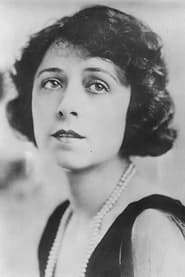
Dorothy Phillips
Actor
Born: January 30, 1889 in Baltimore, Maryland, USA Died: March 13, 1982 Active: 1911-1925 Birth Name: Dorothy Gilead
Films
3 films
About Dorothy Phillips
American silent-film actress: career was especially prominent in the 1910s, when she became one of the familiar faces of the early feature-film era. Born Dorothy Gilead in Baltimore, Maryland, she entered motion pictures during a period when the medium was rapidly moving from short subjects to feature-length dramas, and she quickly found work in a wide range of melodramas, adventure films, and social-issue pictures. Phillips is best remembered today for her collaborations with director and producer J. Gordon Edwards and for her association with Fox Film Corporation, where she appeared in a number of productions that showcased her emotional range and expressive style suited to silent performance. She was also part of the robust community of working silent-era actors whose names were widely known to audiences of the day but who later became less familiar after the coming of sound and the reshaping of studio-era fame. Her surviving filmography reflects a busy career in the 1910s and early 1920s, including Broadway Love and The Heart of Humanity in 1918, films that place her squarely within the social, romantic, and melodramatic currents of the period. Phillips later stepped away from the screen as the silent era gave way to sound, leaving behind a legacy as a representative and accomplished player from early Hollywood’s formative years. She died in Los Angeles, where so many silent-era performers spent their later lives, and her career remains of interest to historians documenting the women who helped define early American cinema.
The Craft
On Screen
Dorothy Phillips worked in the highly expressive silent-film tradition, relying on facial nuance, posture, gesture, and precise emotional timing rather than spoken dialogue. Contemporary silent-era performers often needed to convey complex inner life with visual economy, and Phillips’s screen presence fit the era’s preference for clear, legible emotion in melodramatic storytelling. Her roles suggest a performer capable of sincerity, pathos, and domestic or romantic emotional stakes, with the kind of grounded expressiveness that helped audiences follow character relationships in intertitles-limited narratives. Like many silent actresses, she likely balanced intensity with restraint, allowing camera close-ups to register feeling without excessive theatricality.
Milestones
- Became a recognizable silent-film leading lady during the 1910s
- Worked prominently for Fox Film Corporation in the feature-film era
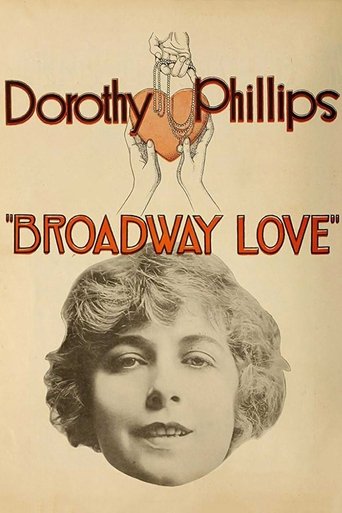
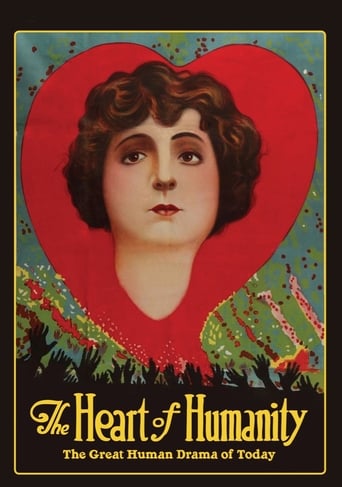
- Appeared in Broadway Love (1918) and The Heart of Humanity (1918), two films associated with her surviving filmography
- Participated in the growth of female-centered silent melodrama and dramatic features
- Remained a notable name among historians of early Hollywood and silent cinema
Best Known For
Iconic Roles
Must-See Films
Working Relationships
Worked Often With
Studios
Why They Matter
Impact on Culture
Dorothy Phillips contributed to the development of the silent-feature actress archetype at a moment when American cinema was solidifying its storytelling vocabulary. As part of Fox’s 1910s production world, she helped populate the emotional and narrative structures that made feature films popular with mass audiences, especially in melodramatic and socially inflected stories. Although she was not among the most enduringly famous stars of the silent era, her career exemplifies the important group of reliable leading performers who sustained studio output and helped define the visual grammar of the period. Her work also reflects the central role women played in early screen acting, when female stars were often key attractions and major box-office assets. For film historians, Phillips is valuable as a representative figure in the transition from early, theatrical screen performance toward a more naturalized cinematic style.
Lasting Legacy
Phillips’s legacy lies in her place within the generation of silent-film actresses whose work helped establish the feature-length American film industry. Even where individual titles have been lost or are less frequently screened today, her career remains part of the historical fabric of Fox and of the broader silent-era star system. She stands as a reminder that early cinema was built not only by the most famous names but also by many capable actors whose performances shaped audience expectations and the commercial success of the medium. In film-history terms, she is one of the performers whose surviving credits document how women were central to silent drama, romantic narrative, and the emotional appeal of studio filmmaking. Her long life into the 1980s also makes her a living link to the earliest decades of Hollywood history.
Who They Inspired
Dorothy Phillips influenced later generations primarily through example rather than through a widely documented teaching or mentorship role. Her work demonstrates the acting methods required by silent film: facial clarity, composure under the camera, and a strong sense of physical storytelling. Later actors studying silent performance can see in performers like Phillips the bridge between stage-inflected melodrama and more intimate screen naturalism. While she did not become a major public symbol of acting technique in the way some star contemporaries did, her surviving film presence contributes to the historical understanding of how silent leading ladies shaped screen acting conventions.
Off Screen
Dorothy Phillips was born Dorothy Gilead and later lived and worked in the United States during the height of silent cinema. Available biographical records indicate that she was married to actor William Farnum, a major silent-screen performer, linking her personal life to one of the era’s notable acting families. Beyond that association, detailed public information about her private life is comparatively limited, which is common for many performers whose fame centered on the early studio era before modern celebrity documentation became routine. She spent her later years in California, dying in Los Angeles in 1982. Because of the fragmentary nature of surviving records, some aspects of her family life and later years are not extensively documented in standard film references.
Education
No reliable detailed information about formal education is widely documented in standard film references; like many early screen performers, she appears to have entered acting through stage and early film work rather than through a formally recorded academic path.
Family
- William Farnum
Did You Know?
- She was born Dorothy Gilead, but performed under the name Dorothy Phillips.
- She is associated with Fox Film Corporation during the silent era.
- Her known 1918 film appearances include Broadway Love and The Heart of Humanity.
- She was married to silent-screen actor William Farnum.
- She lived long enough to witness the rise of sound cinema, television, and modern film culture after her own screen career had ended.
- As with many silent-era performers, much of her fame depended on films and publicity materials that are now partly lost or difficult to access.
- She is often grouped among the dependable character and leading actresses who helped sustain the silent feature system.
Frequently Asked Questions
Who was Dorothy Phillips?
American silent-film actress best known for her work in the 1910s, especially in Fox Film Corporation productions. She appeared in melodramas and feature films during the formative years of Hollywood and is remembered as a capable and expressive performer of the silent screen.
What films is Dorothy Phillips best known for?
Titles linked here include Broadway Love (1918), The Heart of Humanity (1918).
When was Dorothy Phillips born and when did she die?
Born January 30, 1889; died March 13, 1982.
What awards did Dorothy Phillips win?
No major film awards or formal honors are widely documented for Dorothy Phillips in surviving standard references. Her importance is primarily historical, as a silent-era actress whose work contributed to early American cinema.
What was Dorothy Phillips's acting style?
Her acting style reflected the silent era’s emphasis on expressive face and body language, emotional clarity, and careful screen presence. She appears to have been especially suited to melodramatic and romantic material, where nuanced visual performance was essential.
What was Dorothy Phillips's real name?
Her birth name was Dorothy Gilead. She used Dorothy Phillips as her professional screen name.
What is Dorothy Phillips's legacy in film history?
Her legacy is that of a solid and historically important silent-film actress who helped define the feature-film era at Fox. She represents the many accomplished women whose work sustained early Hollywood and shaped the language of silent performance.