
What Happened To Rosa
"Spanish nobility reborn"
Keys: Space play/pause · ←/→ 10s · F fullscreen · M mute · </> speed
About this film
Fortune teller convinces store clerk she was Spanish nobility in a prior life, sparking comic role-play. A fortune teller tells a store clerk with a romantic disposition that she was a Spanish noblewoman in an earlier life. The girl begins to live the part of the Spanish noblewoman and romance and comedy ensue.
Cast & crew
More films like this

More Comedy films
View all →







More from Victor Schertzinger
View all →
More about this film
About the production
Release dateNovember 7, 1920
Box officeUnknown
ProductionGoldwyn Pictures Corporation
Filmed inLos Angeles, California
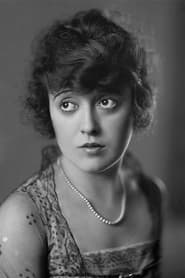
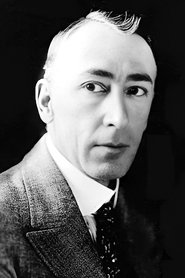
The film was one of Mabel Normand's first features after leaving Mack Sennett's studio and signing with Goldwyn Pictures. Victor Schertzinger, who was also a composer, likely contributed to the musical direction for the film's exhibition. The production featured elaborate Spanish-inspired costumes and sets to support the reincarnation theme.
Themes
ReincarnationIdentity transformationSocial class mobilityRomantic fantasySelf-empowerment
Themes & topics
Fortune tellerDepartment storeSpanish noblewomanReincarnationRomantic comedyIdentity crisisTransformationLove triangleSocial climbingFantasy sequence
Historical background
1920 placed What Happened To Rosa within United States cinema as Goldwyn Pictures Corporation navigated wartime markets, immigration audiences, and the shift from intertitles to sound.
Why this film matters
Archivists revisit What Happened To Rosa (1920) for Victor Schertzinger style, genre norms at Goldwyn Pictures Corporation, and the exhibition context of 50 minutes programming.
Making of
The production of 'What Happened to Rosa' represented a critical moment in Mabel Normand's career as she attempted to rebuild her reputation following the scandal surrounding William Desmond Taylor's murder. Goldwyn Pictures invested considerable resources in the production, hoping to reestablish Normand as a leading comedy star. Director Victor Schertzinger brought his musical background to the film, paying careful attention to rhythm and timing in the comedy sequences. The Spanish sequences required extensive research into period costumes and architecture, with the art department creating elaborate sets to evoke the atmosphere of Spanish nobility. The film was shot during a transitional period in Hollywood, as studios were moving from short comedies to feature-length productions, requiring more sophisticated storytelling techniques.
What critics said
Retrospective writing on What Happened To Rosa stresses craft by Victor Schertzinger, print survival, and repertory value rather than opening-week gross alone.
Did you know?
- This was one of the first films Mabel Normand made after her highly publicized scandal involving the murder of William Desmond Taylor, which had damaged her career.
- Victor Schertzinger was not only a director but also a accomplished composer, which likely influenced his approach to silent film rhythm and pacing.
- The film's theme of reincarnation was relatively unusual for mainstream comedy of the era, reflecting growing interest in spiritualism and alternative spirituality in post-WWI America.
- Goldwyn Pictures invested significantly in promoting this film as a comeback vehicle for Mabel Normand, one of the biggest comedy stars of the 1910s.
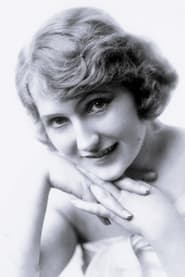
- Doris Pawn, who plays the rival in the film, was a former Ziegfeld Follies girl who transitioned to acting in silent films.
- The Spanish sequences required extensive costume design and set construction, as the film industry was still developing techniques for period pieces.
- This film is now considered lost, with no known surviving copies in any film archive or private collection.
- The screenplay was adapted from a story by Monte M. Katterjohn, a prolific screenwriter of the silent era.
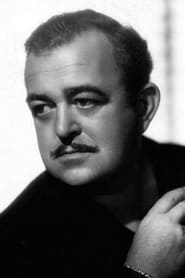
- Tully Marshall, who plays Mr. Pennypacker, was a respected character actor who appeared in over 200 films between 1914 and 1931.
- The film's release coincided with the height of the Spanish influenza pandemic's aftermath, which may have influenced audience interest in escapist entertainment.
Visual style
The cinematography of 'What Happened to Rosa' employed the techniques typical of 1920 feature productions, including careful lighting to distinguish between the mundane department store setting and the romantic Spanish sequences. The film likely used multiple camera setups for the comedy scenes, allowing for more dynamic visual storytelling than earlier one-reel comedies. The Spanish sequences would have featured more elaborate lighting design to create the exotic atmosphere, possibly using techniques like backlighting and soft focus to enhance the romantic elements. The visual style would have balanced the realistic portrayal of everyday life with the stylized fantasy of the Spanish noblewoman sequences.
Innovations
While 'What Happened to Rosa' did not introduce groundbreaking technical innovations, it represented the refinement of existing film techniques for feature-length comedy production. The film likely employed more sophisticated editing techniques than earlier short comedies, using cross-cutting between the different storylines and character perspectives. The production may have utilized early forms of process photography or double exposure techniques to enhance the reincarnation theme. The Spanish sequences would have required advances in set construction and costume design to create convincing period atmosphere. The film's success in balancing comedy with romantic elements demonstrated the growing technical sophistication of Hollywood productions in the early 1920s.
Music
As a silent film, 'What Happened to Rosa' would have been accompanied by live musical performances during its theatrical run. Given Victor Schertzinger's background as a composer, he may have provided musical suggestions or cues for theater organists or orchestras. The score would likely have featured distinct musical themes for the different characters and settings, with Spanish-influenced melodies for the reincarnation sequences and lighter, more contemporary music for the department store scenes. The musical accompaniment would have been crucial in establishing the film's comic timing and emotional transitions, particularly in scenes where Mayme shifts between her two identities.
Famous quotes
You were once a Spanish lady of noble birth, a woman of passion and fire!
I am not Mayme Ladd anymore - I am Rosa Alvaro!
A woman who believes she is noble will act noble!
Memorable scenes
- The fortune teller's revelation scene where Mayme learns of her past life as Rosa Alvaro
- Mayme's first public appearance as the Spanish noblewoman in the department store
- The romantic Spanish fantasy sequence with elaborate period costumes and settings
- The climactic scene where Mayme must choose between her two identities
- The final reconciliation scene where her true self wins the love of her employer
What audiences thought
Audiences in 1920 responded positively to 'What Happened to Rosa', particularly Mabel Normand's fans who had followed her career from her days at Keystone Studios. The film performed well in major urban markets, where Normand's star power remained strong despite recent controversies. The reincarnation theme and Spanish setting appealed to audiences seeking exotic escapism in the post-war period. However, the film's box office performance was likely affected by ongoing publicity surrounding Normand's personal life and the broader moral scrutiny facing Hollywood during this period. Audience reception varied by region, with some areas more receptive to the sophisticated comedy style than others accustomed to more straightforward slapstick.
Film connections
Influenced by
- The growing spiritualism movement of the 1910s
- Earlier Mack Sennett comedy formulas
- Shakespearean mistaken identity plots
- Popular reincarnation novels of the era
This film influenced
- Later comedy films featuring identity transformation
- Romantic comedies involving fantasy elements
- Films exploring reincarnation themes
Film restoration
Lost film - No known copies survive in any film archive or private collection. The film is considered completely lost, making it one of many silent films that have not survived due to the nitrate film deterioration and lack of preservation efforts in the early decades of cinema. Only promotional materials, still photographs, and written reviews remain to document the film's existence.
Where to watch
- Unfortunately unavailable - The film is considered lost with no surviving copies. Only fragments of promotional materials and still photographs may be found in film archives like the Margaret Herrick Library or the Academy Film Archive.