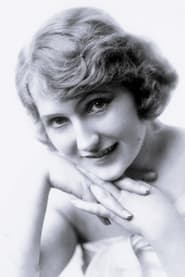
Doris Pawn
Actor
Born: December 19, 1894 in Norfolk, Virginia, United States Died: March 30, 1988 Active: 1918-1925
Films
2 films
About Doris Pawn
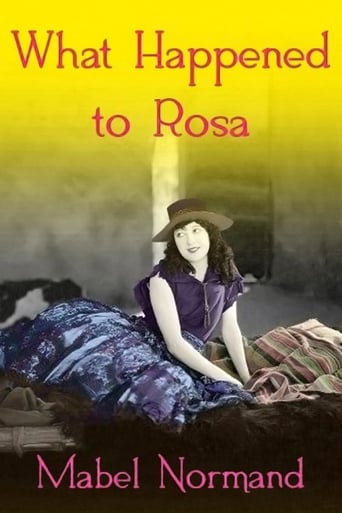
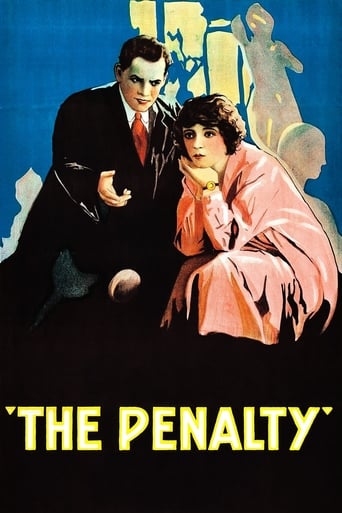
American actress who flourished during the silent film era of the early 1920s. Born in Norfolk, Virginia in 1894, she began her career as a model before transitioning to motion pictures in 1918. She quickly established herself as a reliable character actress, appearing in approximately 40-50 films over a seven-year career. Her most notable performances came in 1920 with appearances in the Lon Chaney horror classic 'The Penalty' and the comedy 'What Happened To Rosa.' Throughout her career, she worked with several major studios including Universal Pictures and appeared alongside prominent actors of the silent era. Like many of her contemporaries, her career declined with the advent of sound films in the late 1920s, leading to her retirement from acting. She spent her later years away from the spotlight, married to real estate businessman Harry A. Gant, until her death in California in 1988 at age 93.
The Craft
On Screen
As a silent film actress, Doris Pawn employed the exaggerated physical expressions and gestures characteristic of the era. Her performances relied heavily on facial expressions, body language, and pantomime to convey emotions and narrative points to audiences without synchronized dialogue. She specialized in both dramatic and comedic roles, showcasing versatility through her expressive eyes and controlled movements that were essential for silent film storytelling.
Milestones
- Appeared in Lon Chaney's 'The Penalty' (1920)
- Starred in 'What Happened To Rosa' (1920)
- Worked as a contract player for Universal Pictures
- Appeared in approximately 40-50 silent films
- Transitioned from modeling to acting in 1918
Best Known For
Iconic Roles
Must-See Films
Working Relationships
Worked Often With
Studios
Why They Matter
Impact on Culture
Doris Pawn's career represents the typical trajectory of many silent film actresses who flourished during the early 1920s but struggled to transition to sound films. Her work in films like 'The Penalty' contributed to the development of early horror cinema and helped establish the visual language of silent film acting. As part of the first generation of film actors, she participated in the evolution of cinema from a novelty attraction to a legitimate art form. Her performances, preserved in surviving silent films, continue to serve as valuable examples of early 20th-century acting techniques and cinematic storytelling methods.
Lasting Legacy
While not as widely remembered as some of her contemporaries, Doris Pawn's filmography provides important documentation of silent era cinema. Her surviving films, particularly 'The Penalty,' remain significant to film historians and enthusiasts of early horror cinema. She represents the countless working actors who formed the backbone of the early film industry, contributing to the establishment of cinematic conventions and techniques that would influence generations of filmmakers. Her career serves as a reminder of the transient nature of fame in early Hollywood and the challenges faced by performers during the transition to sound.
Who They Inspired
Doris Pawn's influence lies primarily in her contribution to the silent film era's visual storytelling techniques. Her performances in horror and drama films helped establish conventions for female character roles in early American cinema. While she didn't directly mentor future stars, her work in surviving films serves as an educational resource for actors and film students studying silent era performance techniques. Her career trajectory also illustrates the broader historical pattern of many silent era actors who could not adapt to the technical and artistic demands of sound films.
Off Screen
Doris Pawn married Harry A. Gant, a successful real estate businessman, and the couple remained married until his death. They had no children together. After retiring from the film industry in the mid-1920s, she largely withdrew from public life and focused on her marriage and personal interests. Her decision to leave Hollywood was typical of many actresses of her era who chose domestic life over the uncertainties of the changing film industry, particularly with the challenging transition to sound films.
Education
Limited information available, likely attended local schools in Norfolk, Virginia before moving to pursue modeling and acting careers
Family
- Harry A. Gant (1925-1950s)
Did You Know?
- She appeared in 'The Penalty' (1920), which featured groundbreaking makeup effects by Lon Chaney
- Her active years covered the crucial transitional period of American cinema from the late 1910s to mid-1920s
- She worked as a model before entering the film industry
- Like many silent film actors, she did not successfully transition to sound films
- She lived to be 93 years old, outliving most of her silent film contemporaries
- Her birth name was the same as her stage name
- She worked with several prominent directors of the silent era including Wallace Worsley
- Her filmography includes both leading and supporting roles in various genres
- She was one of the many actors who left Hollywood when sound films became dominant
- Her performances have been preserved in film archives and are occasionally screened at silent film festivals
In Their Own Words
No documented famous quotes from Doris Pawn, as was common for many supporting actors of the silent era
Frequently Asked Questions
Who was Doris Pawn?
American actress who worked primarily during the silent film era in the early 1920s. She appeared in approximately 40-50 films and is best known for her roles in 'The Penalty' (1920) starring Lon Chaney and 'What Happened To Rosa' (1920). Her career was typical of many silent era actors who flourished briefly but could not transition to sound films.
What films is Doris Pawn best known for?
Titles linked here include The Penalty (1920), What Happened To Rosa (1920).
When was Doris Pawn born and when did she die?
Born December 19, 1894; died March 30, 1988.
What awards did Doris Pawn win?
Doris Pawn did not receive any major awards or nominations during her career. This was not uncommon for supporting actors during the silent era, as the major award systems like the Academy Awards were just beginning to be established and often focused on leading performers and behind-the-camera contributions.
What was Doris Pawn's acting style?
Doris Pawn employed the exaggerated physical expressions and gestures characteristic of silent film acting. Her performances relied heavily on facial expressions, body language, and pantomime to convey emotions. She specialized in both dramatic and comedic roles, showcasing versatility through expressive eyes and controlled movements essential for silent film storytelling.