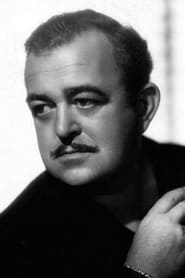
Victor Schertzinger
Director
Born: April 8, 1888 in Mahoney City, Pennsylvania, USA Died: October 26, 1941 Active: 1917-1941 Birth Name: Victor L. Schertzinger
Films
3 films
About Victor Schertzinger
Made significant contributions to both silent and early sound cinema. Born in 1888, he began his career as a composer and conductor before transitioning to filmmaking in the 1910s. Schertzinger directed numerous silent comedies, often working with popular stars of the era, and demonstrated a remarkable ability to adapt to the coming of sound. He was one of the few directors who successfully navigated the transition from silent films to talkies, continuing to direct well into the 1940s. Beyond his directing work, Schertzinger was also a talented composer who wrote many popular songs and film scores throughout his career. His versatility as both a filmmaker and musician made him a unique figure in early Hollywood, bridging the gap between the silent and sound eras. Schertzinger's over three decades, during which he directed more than 80 films and composed music for numerous productions.
The Craft
Behind the Camera
Victor Schertzinger was known for his versatility across genres, particularly excelling in musical comedies and romantic dramas. His directing style emphasized smooth pacing and visual storytelling, with a keen understanding of musical timing and rhythm. Schertzinger had a gift for working with performers, often coaxing naturalistic performances even in the highly stylized context of early cinema. His background in music influenced his filmmaking approach, giving his films a distinctive rhythmic quality and attention to auditory detail. He was particularly adept at integrating musical numbers into narrative contexts, making them feel organic rather than inserted.
Milestones
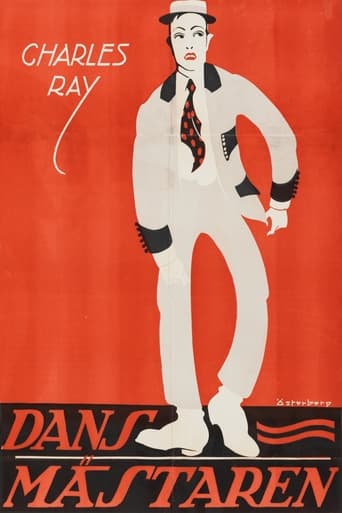
- Directed The Clodhopper (1917)
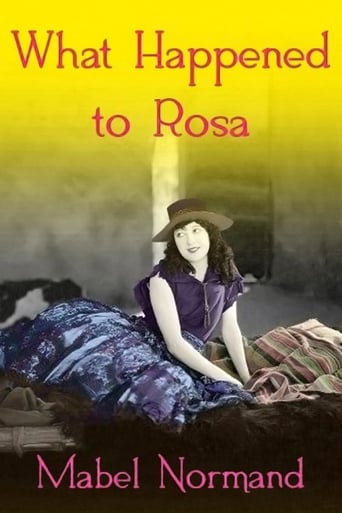
- Directed What Happened To Rosa (1920)
- Successfully transitioned from silent to sound films
- Composed popular songs for films
- Directed The Mikado (1939)
- Won Academy Awards for Best Original Song
Best Known For
Must-See Films
Accolades
Won
- Academy Award for Best Original Song for 'The Continental' (1935)
- Academy Award for Best Original Song for 'Thanks for the Memory' (1939)
Nominated
- Academy Award nomination for Best Director for One Night of Love (1935)
- Academy Award nomination for Best Original Song for 'A Lovely Way to Spend an Evening' (1944)
Special Recognition
- Hollywood Walk of Fame star for Film
- Hollywood Walk of Fame star for Music
Working Relationships
Worked Often With
Studios
Why They Matter
Impact on Culture
Victor Schertzinger played a crucial role in the development of the Hollywood musical, helping to establish conventions that would define the genre for decades. His ability to seamlessly integrate music into narrative storytelling influenced countless filmmakers who followed. Schertzinger was instrumental in popularizing the 'road to' film formula, which would later be perfected by others. His work helped bridge the gap between the operettas of the 1920s and the more contemporary musical films of the 1930s and 1940s. The songs he composed for films became standards of the Great American Songbook, ensuring his cultural impact extended beyond cinema into popular music.
Lasting Legacy
Victor Schertzinger's legacy endures through both his films and his compositions. As a director, he helped shape the early sound musical and demonstrated how music could enhance cinematic storytelling. His Oscar-winning songs continue to be performed and recorded by artists decades after their creation. Schertzinger's career shows the versatility required of early Hollywood filmmakers, who often had to master multiple disciplines. His influence can be seen in the work of subsequent musical film directors who followed his example of integrating music and narrative. The dual stars on the Hollywood Walk of Fame recognize his dual contributions to both film and music.
Who They Inspired
Schertzinger influenced a generation of musical film directors through his innovative approach to integrating music and cinema. His work on early sound musicals established techniques that would become standard in the genre. He demonstrated that a director with musical training could bring unique insights to filmmaking, inspiring other musicians-turned-directors. His success in both silent and sound films provided a model for directors navigating technological changes in cinema. The composers and songwriters who worked with him benefited from his understanding of both musical and cinematic requirements.
Off Screen
Victor Schertzinger was married twice during his lifetime. His first marriage was to Julia E. Nicklin, which ended in divorce. He later married Ercelle Bruner, with whom he remained until his death. Schertzinger was known as a dedicated family man who balanced his demanding career with his personal life. His musical background influenced his home life, and he often entertained friends and family with piano performances. He died suddenly of a heart attack in 1941 while working on the film 'The Fleet's In', leaving behind a remarkable legacy in both film and music.
Education
Studied music at the University of Colorado and later in Berlin, Germany
Family
- Julia E. Nicklin (1913-1925)
- Ercelle Bruner (1926-1941)
Did You Know?
- — classically trained violinist who performed with major orchestras before entering films
- Composed the music for over 50 films throughout his career
- Was one of the first directors to successfully transition from silent films to talkies
- Died suddenly while directing 'The Fleet's In', which was completed by another director
- Won two consecutive Academy Awards for Best Original Song
- His song 'Thanks for the Memory' became Bob Hope's signature tune
- Directed the first film version of 'The Mikado' in color
- Was a talented pilot who owned his own airplane
- Often composed music for the films he directed
- His films helped launch or boost the careers of many major stars
In Their Own Words
Music and pictures are like love and marriage - you can't have one without the other
The secret to a good musical film is making the audience forget they're watching people sing and dance
In the transition from silent to sound, we didn't just add voices - we added a whole new dimension to storytelling
Every film should have a rhythm, just like a piece of music
Frequently Asked Questions
Who was Victor Schertzinger?
American on YTB.my. He was known for his work on musical films and comedies, and he successfully transitioned from silent to sound cinema. Schertzinger won two Academy Awards for Best Original Song and directed over 80 films during his career.
What films is Victor Schertzinger best known for?
Titles linked here include The Clodhopper (1917), What Happened To Rosa (1920).
When was Victor Schertzinger born and when did he die?
Born April 8, 1888; died October 26, 1941.
What awards did Victor Schertzinger win?
Victor Schertzinger won two Academy Awards for Best Original Song: one for 'The Continental' in 1935 and another for 'Thanks for the Memory' in 1939. He also received an Academy Award nomination for Best Director for 'One Night of Love' (1934). He has two stars on the Hollywood Walk of Fame, one for film and one for music.
What was Victor Schertzinger's directing style?
Schertzinger's directing style was characterized by his musical background, emphasizing rhythm, timing, and smooth pacing. He excelled at integrating musical numbers into narratives naturally, and was known for his versatility across genres. His films often featured a blend of comedy, romance, and music, with careful attention to both visual and auditory storytelling elements.