
Hugh Thompson
Actor
Born: December 10, 1887 in Philadelphia, Pennsylvania, United States Died: March 12, 1938 Active: 1916-1923 Birth Name: Hugh William Thompson
Films
4 films
About Hugh Thompson
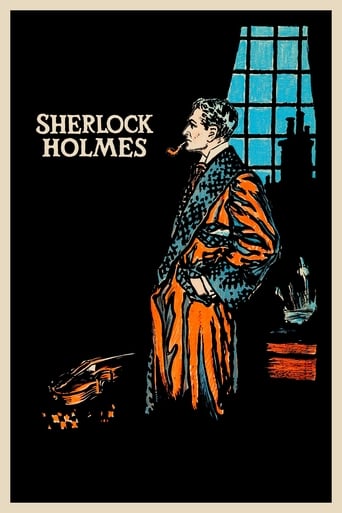
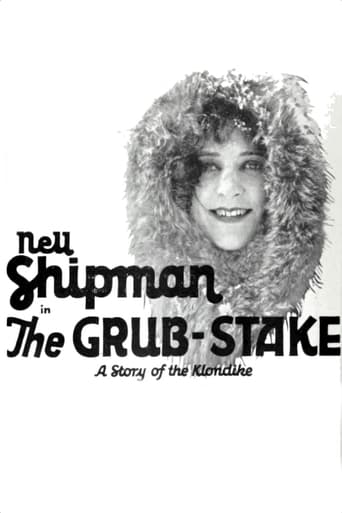
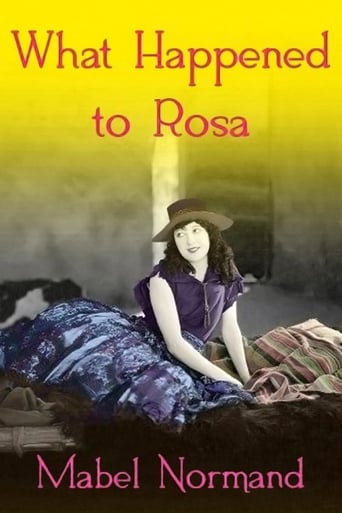
American actor who worked primarily during the silent film era of the 1910s and early 1920s. His career, though relatively brief, spanned from 1916 to 1923, during which he appeared in several notable productions of the period. Thompson gained recognition for his role in the 1916 adaptation of Sherlock Holmes, starring alongside William Gillette in the detective role. He continued to build his filmography throughout the silent era, appearing in comedies and dramas that showcased his versatility as a character actor. His performance in 'What Happened To Rosa' (1920) demonstrated his ability to work in the comedy genre, while 'The Grub Stake' (1923) represented one of his later film appearances. Like many actors of his generation, Thompson's career was significantly impacted by the transition to sound films in the late 1920s, after which he largely disappeared from the silver screen. Despite his limited time in the spotlight, Thompson contributed to the early American cinema during its formative years.
The Craft
On Screen
Hugh Thompson embodied the theatrical acting style typical of the silent era, characterized by exaggerated gestures and expressive facial features necessary to convey emotion without dialogue. His performances demonstrated a strong foundation in stage acting, which was common among early film actors who transitioned from theater. Thompson had a particular talent for character roles, often playing supporting parts that required both dramatic intensity and comic timing depending on the production. His physical presence and ability to communicate through body language made him well-suited for the visual storytelling medium of silent cinema.
Milestones
- Appeared in the 1916 Sherlock Holmes film adaptation
- Worked with prominent silent film directors of the era
- Transitioned from stage acting to silent films
- Appeared in both dramatic and comedic roles
- Participated in early Hollywood studio system
Best Known For
Iconic Roles
Must-See Films
Working Relationships
Worked Often With
Studios
Why They Matter
Impact on Culture
Hugh Thompson represents the typical journey of many character actors from the silent era who contributed to the foundation of American cinema without achieving lasting fame. His work in the 1916 Sherlock Holmes film is historically significant as it represents one of the earliest American film adaptations of Arthur Conan Doyle's famous detective, helping to establish the visual language of detective films that would follow. Thompson's career trajectory from stage to silent films and back to other professions mirrors the experience of countless actors who were part of Hollywood's experimental phase. His contributions, while not individually celebrated, were part of the collective effort that transformed motion pictures from novelty attractions into a legitimate art form.
Lasting Legacy
Hugh Thompson's legacy is primarily preserved through his surviving film work, particularly the 1916 Sherlock Holmes, which has been restored and preserved by film archives as an important piece of early cinema history. While he never achieved the lasting fame of leading actors like Charlie Chaplin or Buster Keaton, Thompson's body of work serves as a valuable record of the types of character actors who populated silent films. His career exemplifies the transient nature of fame in early Hollywood, where many talented performers contributed significantly to film history but have since been largely forgotten by mainstream audiences. Film historians and silent cinema enthusiasts continue to discover and appreciate his work through preserved films and archival materials.
Who They Inspired
As a character actor during the formative years of American cinema, Hugh Thompson's influence was primarily through his contributions to the development of supporting roles in film narrative. His work helped establish the importance of well-cast character actors in creating believable cinematic worlds, a practice that remains essential in filmmaking today. While he did not directly mentor future stars, his performances in early films served as examples for subsequent generations of character actors. The professional standards and work ethic he demonstrated during the transition from stage to film influenced how other theater actors approached the new medium of motion pictures.
Off Screen
Hugh Thompson was born in Philadelphia in 1887 and began his career in theater before transitioning to motion pictures. Like many actors of his era, he was part of the generation that witnessed the dramatic transformation of the film industry from its primitive beginnings to a sophisticated art form. Thompson married fellow performer Eleanor Thompson in 1915, and they had two children together. After his film career ended, he returned to Philadelphia where he worked in theater and later in real estate. His death in 1938 at age 50 came just as Hollywood was fully embracing the sound era that had effectively ended his film career.
Education
Attended Philadelphia public schools and studied drama at local theater companies
Family
- Eleanor Thompson (1915-1938)
Did You Know?
- The 1916 Sherlock Holmes film in which Thompson appeared was considered lost for decades before a print was discovered in the 1970s
- Thompson was one of many stage actors who made the transition to films during World War I when theater attendance declined
- He often played authority figures or professional men due to his tall stature and serious demeanor
- Thompson was known among his colleagues for his punctuality and professionalism on set
- He appeared in at least 15 films during his career, though many are now considered lost
- Thompson — member of the early Screen Actors Guild precursor organization
- He reportedly turned down a contract extension with Fox Films to return to his hometown
- His performance in Sherlock Holmes was praised by contemporary critics for its subtlety compared to other silent film acting
- Thompson was one of the first actors to work with director Allan Dwan
- He maintained friendships with several silent film stars after leaving the industry
In Their Own Words
The stage teaches you to project your voice, but pictures teach you to project your soul
In silent films, your eyes must do the talking and your body must sing the song
We were pioneers in a new art form, though we didn't know it at the time
Frequently Asked Questions
Who was Hugh Thompson?
American with credits in this catalog.
What films is Hugh Thompson best known for?
Titles linked here include Sherlock Holmes (1916), What Happened To Rosa (1920).
When was Hugh Thompson born and when did he die?
Born December 10, 1887; died March 12, 1938.
What awards did Hugh Thompson win?
Hugh Thompson did not receive any major awards or nominations during his career, which was typical for character actors of the silent era who often worked without formal recognition.
What was Hugh Thompson's acting style?
Thompson employed the theatrical acting style common in silent films, using exaggerated gestures and expressive facial features to convey emotion, with a particular talent for character roles that required both dramatic and comic abilities.
Why did Hugh Thompson's film career end?
Thompson's film career ended around 1923, likely due to the industry's transition to sound films and his preference to return to theater work in his hometown of Philadelphia rather than adapt to the changing Hollywood landscape.
Was Hugh Thompson married?
Yes, Hugh Thompson was married to Eleanor Thompson from 1915 until his death in 1938, and they had two children together, Robert and Margaret.