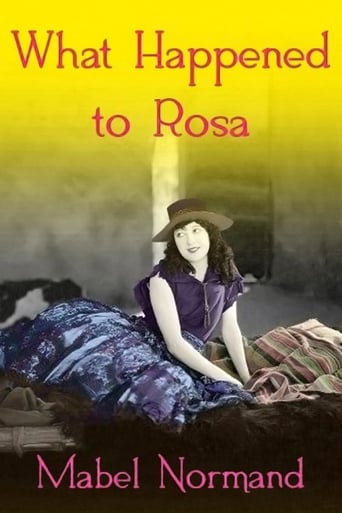
Films
1 film
About Buster Trow
Buster Trow appears in the 1920 comedy What Happened To Rosa, his only listed credit in this catalog. Like many bit players from the late silent era, no further filmography or biographical records survive for him here.
The Craft
Milestones
- Appeared in 'What Happened To Rosa' (1920) during the silent film era
Best Known For
Must-See Films
Why They Matter
Impact on Culture
Buster Trow's contribution to cinema, while minimal in scope, represents the collective effort of countless supporting actors who were essential to the silent film industry's success. His appearance in 'What Happened To Rosa' exemplifies how early Hollywood relied on a vast pool of talent to populate its productions, even if many of these performers had only brief or single-film careers. The preservation of his name in film credits shows the collaborative nature of filmmaking, where even minor roles contributed to the overall tapestry of cinematic history. His career trajectory was typical of many actors during this period who may have pursued film work briefly before moving on to other professions or returning to stage performance.
Lasting Legacy
Buster Trow's legacy is primarily that of a representative figure from the silent era's vast ensemble of character actors. While he did not achieve lasting fame or recognition, his documented appearance in a 1920 film ensures his place in the historical record of American cinema. His story illustrates how the early film industry was built not just on stars, but on the contributions of countless performers who, even briefly, participated in the magic of moviemaking. The fact that his name survives in film databases and archives demonstrates the ongoing effort by film historians to preserve the memory of all who contributed to cinema's development.
Who They Inspired
Given his extremely brief film career, Buster Trow's direct influence on other actors or filmmakers appears to be minimal or undocumented. However, like all actors of his era, he contributed to the evolving language of cinema performance during a crucial period of artistic development. His work, however brief, was part of the collective foundation that future generations of performers would build upon.
Off Screen
Very little is known about Buster Trow's personal life, as his brief film career and the passage of time have left few historical records. Like many supporting actors from the silent era, biographical details about his family, relationships, and life outside of his single film appearance have not been preserved in film archives or historical documentation.
Did You Know?
- Buster Trow's entire documented film career consists of a single appearance in 1920
- He appeared in 'What Happened To Rosa,' a silent comedy directed by Frank R. Strayer
- The film starred May McAvoy, who would later become a successful talkie actress
- His active period in film industry records spans only one year: 1920
- Like many silent era supporting actors, most biographical details about his life have been lost to history
- His name survives primarily through film credit databases and silent film archives
- The film he appeared in was produced during the peak years of silent cinema production
- No other film credits or appearances have been documented for this actor
Frequently Asked Questions
Who was Buster Trow?
Screen credits include only one known film, 'What Happened To Rosa' in 1920. His career was extremely brief, lasting just that single year, and he worked as a supporting player during the golden age of silent cinema.
What films is Buster Trow best known for?
Titles linked here include What Happened To Rosa (1920).
When was Buster Trow born and when did he die?
Unfortunately, specific birth and death dates for Buster Trow are not available in historical records. Like many supporting actors from the silent era who had brief careers, detailed biographical information has been lost to time.
What awards did Buster Trow win?
There are no documented awards or nominations for Buster Trow. During the early 1920s, the Academy Awards had not yet been established (the first Oscars were presented in 1929), and most supporting actors of his era did not receive formal recognition for their work.
What was Buster Trow's acting style?
Specific details about Buster Trow's acting style are not documented, as only his single film appearance survives as evidence of his work. As a silent era actor, he would have used the exaggerated physical expressions and gestures typical of the period to convey emotion and story without dialogue.
Why is so little known about Buster Trow?
The scarcity of information about Buster Trow is typical of many supporting actors from the silent era who had brief careers. Historical records from this period often focused on stars and leading players, while the vast network of character actors and bit players received little documentation in contemporary press or industry publications.
What was 'What Happened To Rosa' about?
'What Happened To Rosa' (1920) was a silent comedy film starring May McAvoy, directed by Frank R. Strayer. While the complete plot details are not widely documented, it was typical of the light comedies produced during the silent era, and Buster Trow appeared in a supporting capacity in this production.