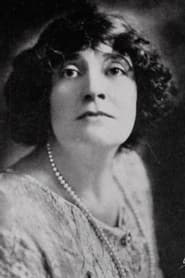
Eugenie Besserer
Actor
Born: December 25, 1868 in Montreal, Quebec, Canada Died: May 28, 1934 Active: 1910-1929
Films
15 films
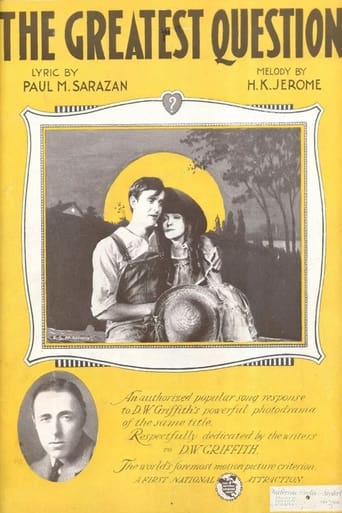
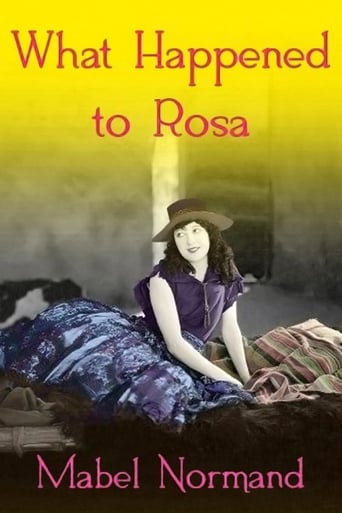

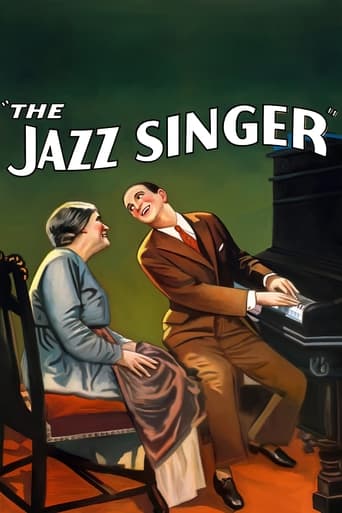
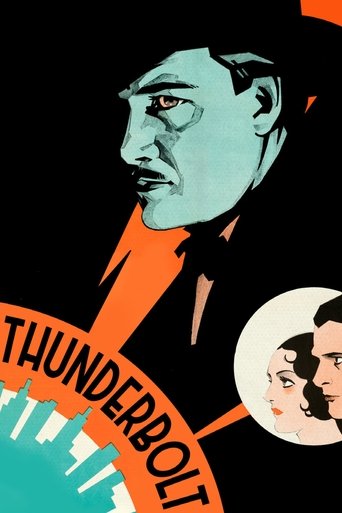
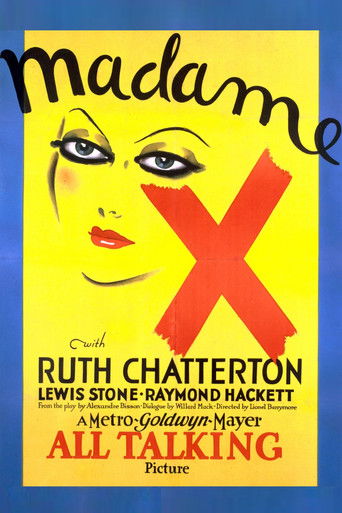

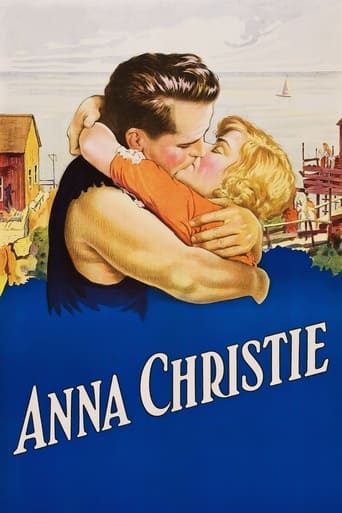
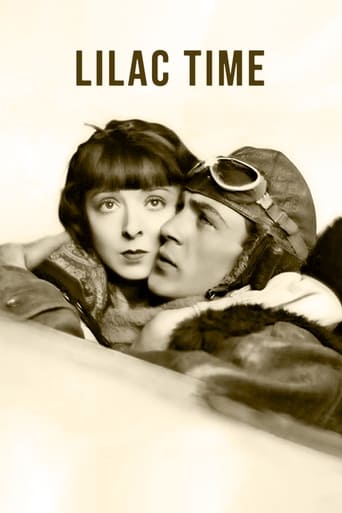
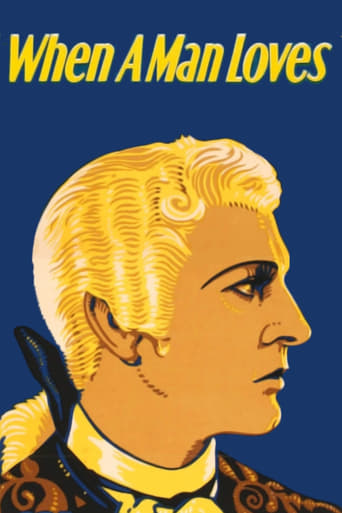

About Eugenie Besserer
Canadian-American actress who became recognizable character actresses of the silent film era. Born in 1868, she began her career on the stage before transitioning to motion pictures in the early 1910s, quickly establishing herself as a versatile performer capable of playing both comedic and dramatic roles. Throughout her prolific career spanning nearly two decades, she appeared in over 200 films, working with major studios including Fox, Universal, and Paramount Pictures. Besserer was particularly renowned for her maternal roles, often playing mothers, grandmothers, and nurturing figures that resonated with audiences of the time. She had the distinction of appearing in the 1910 adaptation of 'The Wonderful Wizard of Oz,' one of the earliest film versions of the beloved story, and continued working steadily through the transition to sound films in the late 1920s. Her final years saw her taking smaller supporting roles as the film industry evolved, but she remained a respected figure in Hollywood until her death in 1934.
The Craft
On Screen
Besserer was known for her naturalistic and heartfelt performances, particularly in maternal roles. Her acting style was characterized by a gentle, nurturing presence that made her believable as mothers and grandmotherly figures. She possessed a remarkable ability to convey deep emotion through subtle facial expressions and gestures, which was essential in silent cinema. Her performances often combined warmth with strength, creating memorable characters that audiences could easily connect with.
Milestones
- Early transition from stage to silent film in 1910
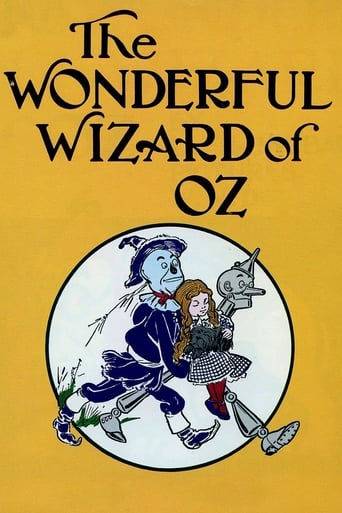
- Starred in the first film adaptation of The Wizard of Oz (1910)
- Became
- Successfully transitioned to supporting roles in early sound films
- Appeared in over 200 films during her career
Best Known For
Iconic Roles
Must-See Films
Accolades
Special Recognition
- figure in early cinema
- One of the first Canadian actresses to achieve success in Hollywood
Working Relationships
Worked Often With
Studios
Why They Matter
Impact on Culture
Eugenie Besserer played a significant role in shaping the archetype of the mother figure in early American cinema. Her performances helped establish the emotional template for maternal characters that would influence generations of actresses. As one of the few successful Canadian actresses in early Hollywood, she paved the way for other performers from outside the United States. Her work in the 1910 adaptation of 'The Wizard of Oz' contributed to the early visual language of fantasy filmmaking, and her extensive filmography provides a valuable record of the evolution of acting styles from stage to screen.
Lasting Legacy
Eugenie Besserer's legacy endures through her extensive body of work that survives as proof of the craft of silent film acting. She represents the generation of performers who successfully bridged the gap between 19th-century theater and 20th-century cinema. Her ability to create memorable characters with limited dialogue or sound demonstrated the power of pure performance and influenced how character actors would approach their craft in subsequent decades. Though largely forgotten by mainstream audiences, film historians and silent cinema enthusiasts recognize her as a significant contributor to the development of American film acting.
Who They Inspired
Besserer influenced subsequent generations of character actresses, particularly those specializing in maternal roles. Her naturalistic approach to acting helped move away from the theatrical style common in early cinema toward more subtle, film-appropriate performances. Younger actresses who worked with her often cited her professionalism and emotional authenticity as inspiration for their own careers. Her success demonstrated that character actors could achieve longevity and respect in the rapidly changing film industry.
Off Screen
Eugenie Besserer led a relatively private life despite her public career. She married early in life and had one daughter. The family moved from Canada to the United States as her career in entertainment began to flourish. She was known among her colleagues as a warm and professional actress who was respected for her dedication to her craft and her willingness to help younger performers.
Education
Limited formal education, trained in theater through practical experience and stage work in the late 19th century
Family
- John W. Besserer (married 1885-1934)
Did You Know?
- Was one of the first Canadian actresses to achieve major success in Hollywood
- Appeared in the very first film adaptation of 'The Wizard of Oz' in 1910
- Worked consistently through the entire silent era and into early sound films
- Often played characters much older than her actual age
- Was a favorite of director D.W. Griffith, who cast her in several productions
- Her filmography includes over 200 titles, many of which are now lost
- Was known for her ability to cry on cue, a valuable skill in silent films
- Began her career in traveling theater companies before moving to films
- Was working in films well into her 60s, unusual for actresses of her era
- Her death in 1934 came just as the Code Era was beginning to reshape Hollywood
In Their Own Words
The camera doesn't lie, so you must be truthful in your emotions
Playing a mother is the easiest and hardest role - you must carry the weight of the world in your heart
Silent films taught us that emotion needs no words to be understood
Frequently Asked Questions
Who was Eugenie Besserer?
Canadian-American actress who became.
What films is Eugenie Besserer best known for?
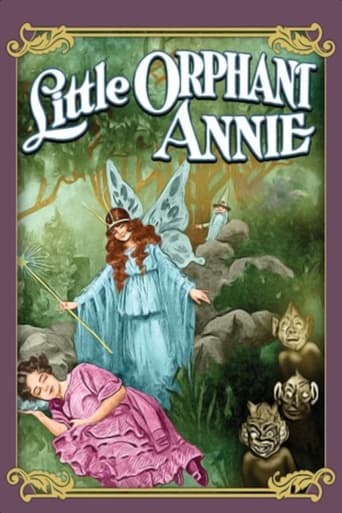
Titles linked here include The Wonderful Wizard of Oz (1910), Little Orphant Annie (1918).
When was Eugenie Besserer born and when did she die?
Born December 25, 1868; died May 28, 1934.
What awards did Eugenie Besserer win?
During her era, formal acting awards were not yet established, so she did not receive major awards, but she was recognized as a figure in early cinema and one of the first successful Canadian actresses in Hollywood.
What was Eugenie Besserer's acting style?
Besserer was known for her naturalistic and heartfelt performances, particularly excelling in maternal roles with her gentle, nurturing presence and ability to convey deep emotion through subtle facial expressions essential for silent cinema.