
The Wonderful Wizard of Oz
"Oz before Technicolor dreams"
Keys: Space play/pause · ←/→ 10s · F fullscreen · M mute · </> speed
About this film
An early version of the classic, based more on the 1902 stage musical than on the original novel. Exhibitors circulated the 1910 print in short programs.
Cast & crew
More films like this
More Adventure films
View all →

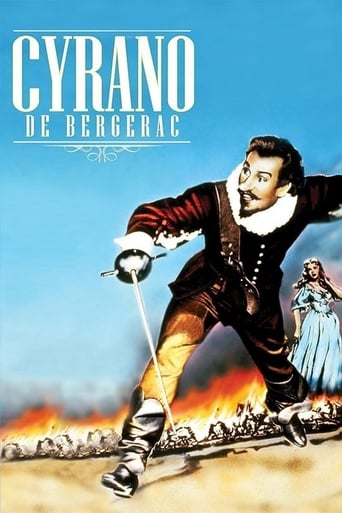
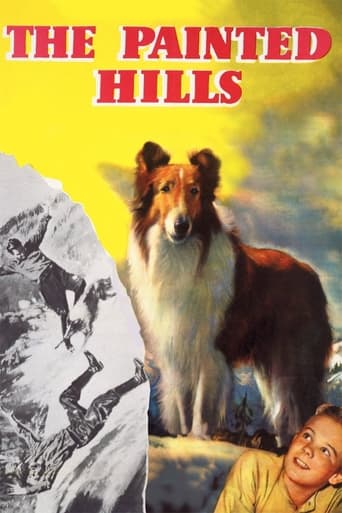
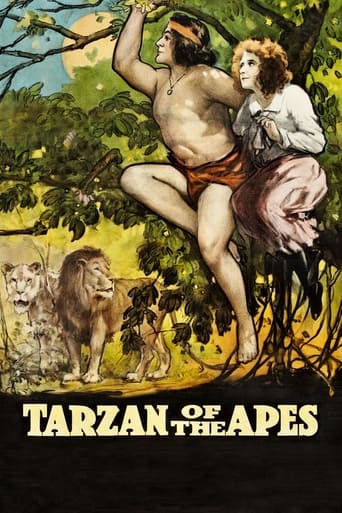
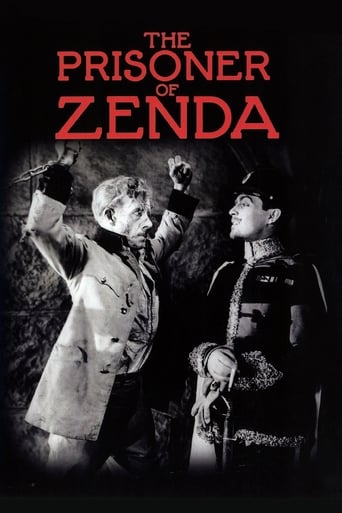
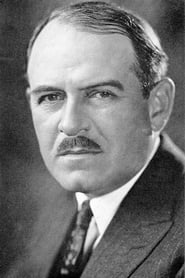
More from Otis Turner
View all →
More about this film
About the production
Release dateMarch 1910
Box officeUnknown - box office tracking was not standardized in 1910
ProductionSelig Polyscope Company
Filmed inChicago, Illinois
This was one of the first feature-length adaptations of Baum's work, produced entirely without special effects due to technical limitations of the era. The film used elaborate stage sets and costumes to create the fantasy world of Oz. The production faced challenges in creating the magical elements visually, relying on camera tricks and theatrical techniques. The tornado sequence was created using spinning fans and flowing fabric.
Themes
Friendship and companionshipThe journey of self-discoveryThe contrast between reality and fantasyThe power of home and belongingCourage in the face of adversity
Themes & topics
Historical background
The Wonderful Wizard of Oz reached screens around 1910, produced in its country of origin. Silent-era houses paired such titles with live music and newsreel bills.
Why this film matters
Researchers cite The Wonderful Wizard of Oz when tracing screen culture of its decade.
Making of
The production was rushed to capitalize on the popularity of Baum's work and the successful stage musical. The Selig Polyscope Company, one of Chicago's major film studios, invested in elaborate costumes and sets despite the film's short length. The actors were primarily stage performers, bringing theatrical acting styles to the silent medium. Director Otis Turner had to innovate with limited technology, using mirrors and camera angles to create magical effects. The film was shot in a single day, which was typical for one-reel productions of the era. The surviving footage shows evidence of hand-coloring in some scenes, a laborious process where each frame was colored by hand.
What critics said
Reviewers in 1910 weighed The Wonderful Wizard of Oz on clarity, pacing, and audience response rather than prestige status. No single canonical review dominates later reference works for the title.
Did you know?
- This is the earliest known film adaptation of The Wizard of Oz, predating the famous 1939 version by 29 years
- The film was based on the 1902 stage musical by L. Frank Baum and Paul Tietjens, which explains why it differs significantly from the novel
- Only one reel of the film is known to survive today, held by the Library of Congress
- The film was shot in Chicago, not Hollywood, as the film industry had not yet centralized in California
- Director Otis Turner would go on to direct over 200 films before his death in 1938
- The film was marketed as having 'all the wonders and marvels of the original story' despite its short runtime
- It was originally released as a split-reel feature, meaning it shared a film reel with another short subject
- The Tin Woodman character was played by Robert Z. Leonard, who would later become a prominent Hollywood director
- The film used painted backdrops and theatrical sets rather than location shooting, common for the era
- This adaptation includes characters from the stage musical that don't appear in the 1939 film, such as Imogene the cow
Visual style
The cinematography by William H. Brown employed static camera positions typical of the era, with the camera remaining fixed for most scenes. The film used painted backdrops and theatrical flats to create the fantasy environments. Lighting was natural and flat, as artificial lighting techniques were still primitive. Some scenes utilized mirror effects and simple camera tricks to suggest magical transformations. The surviving footage shows careful composition within the frame, with actors positioned to tell the story visually despite the lack of dialogue. The tornado sequence, while rudimentary by modern standards, was innovative for its use of moving elements to suggest motion.
Innovations
While technically primitive by modern standards, the film achieved several innovations for its time. The use of hand-coloring in select scenes was labor-intensive but effective for highlighting magical elements. The production employed sophisticated matte paintings and forced perspective techniques to create the illusion of depth in the Oz sequences. The tornado effect, achieved through practical means, demonstrated creative problem-solving within technical limitations. The film's successful compression of a complex story into 13 minutes showed efficient narrative techniques that would influence later short-form filmmaking.
Music
As a silent film, it had no recorded soundtrack. The musical accompaniment would have been provided live in theaters, typically by a pianist or small orchestra. The accompaniment would have included popular songs of the era and classical pieces appropriate to the on-screen action. Some theaters might have incorporated music from the 1902 stage musical adaptation, which audiences would have recognized. The lack of synchronized sound meant that all storytelling had to be visual, supported by intertitles for dialogue and exposition.
Famous quotes
Dorothy: 'There's no place like home' (as conveyed through intertitles)
Wizard: 'I am the Great and Powerful Oz' (title card)
Scarecrow: 'If I only had a brain' (conveyed through gesture and title)
Memorable scenes
- The tornado sequence using spinning fabric and fans to create the storm effect
- Dorothy's arrival in the colorful Land of Oz with its painted backdrops
- The introduction of the companions along the yellow brick road
- The reveal of the Wizard behind the curtain
- Dorothy's emotional farewell to her companions before returning to Kansas
What audiences thought
The film was reportedly popular with audiences of its time, particularly children and families familiar with the book and stage musical. Its release during the height of Oz mania in the early 20th century ensured strong initial interest. Contemporary accounts suggest audiences were impressed by the visual spectacle of the fantasy world, even with the limited technology available. The short length made it ideal for the typical film program of the era, which consisted of multiple short subjects. However, as cinema evolved toward longer narratives, this brief adaptation was eventually overshadowed by more comprehensive versions of the story.
Film connections
Influenced by
- The Wonderful Wizard of Oz novel by L. Frank Baum (1900)
- The Wizard of Oz stage musical (1902)
- Contemporary fairy tale films
- Theatrical stage productions
This film influenced
- His Majesty, the Scarecrow of Oz (1914)
- The Wizard of Oz (1925)
- The Wizard of Oz (1939)
- The Wiz (1978)
- Return to Oz (1985)
Film restoration
Partially preserved - one reel survives at the Library of Congress and is available for viewing. The film is considered partially lost as the complete original version is not known to exist. The surviving footage has been restored and digitized for historical preservation.
Where to watch
- Library of Congress National Film Registry
- Internet Archive (public domain)
- Various silent film archives and museums
- Specialized classic film streaming services
- Educational film collections