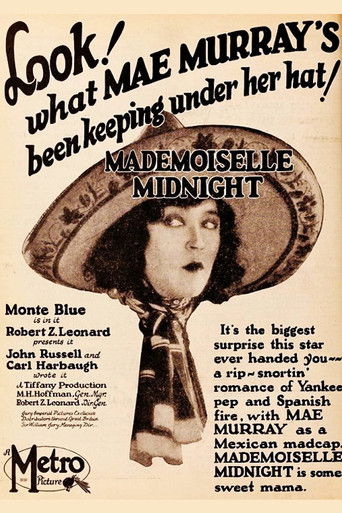

Robert Z. Leonard
Actor & Director
Born: October 7, 1889 in Chicago, Illinois, USA Died: August 8, 1968 Active: 1910-1955 Birth Name: Robert Zane Leonard
Films
6 films

About Robert Z. Leonard
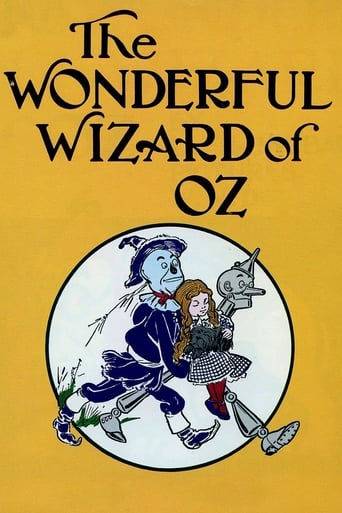
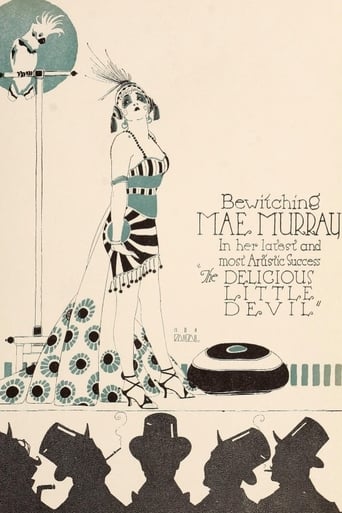
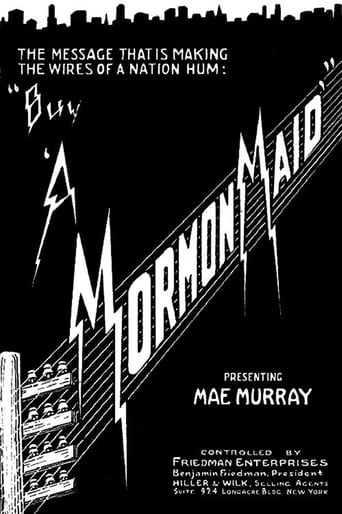
Robert Zane Leonard — American filmmaker who began his career as an actor in silent films before transitioning to become one of Hollywood's most respected directors during the Golden Age. Born in Chicago in 1889, Leonard entered the film industry in its infancy, appearing in early silent productions including the 1910 adaptation of The Wonderful Wizard of Oz. His directorial debut came in the mid-1910s, and he quickly established himself as a talented filmmaker with a particular flair for romantic dramas and musicals. Leonard's marriage to actress Mae Murray in 1918 proved professionally fruitful, as they collaborated on several successful silent films including The Delicious Little Devil (1919). After their divorce, Leonard signed with MGM where he directed some of the studio's most prestigious productions, including the Academy Award-winning The Great Ziegfeld (1936). His over four decades, during which he directed more than 100 films and worked with many of Hollywood's biggest stars. Leonard retired from directing in the mid-1950s and passed away in 1968, leaving behind a as one of cinema's most versatile and prolific directors.
The Craft
On Screen
As an actor in early silent films, Leonard performed in the typical theatrical style of the era, using exaggerated gestures and facial expressions to convey emotion without dialogue. His acting career was brief, serving primarily as a stepping stone to his more successful directing career.
Behind the Camera
Leonard was known for his polished, sophisticated approach to filmmaking, particularly excelling in musicals and romantic dramas. He had a keen eye for visual spectacle and was adept at handling large-scale productions. His directing style emphasized elegance and emotional storytelling, with particular attention to the romantic chemistry between his leading actors. Leonard was also skilled at adapting literary works for the screen, bringing classic stories to life with sensitivity and dramatic flair.
Milestones
- Directed The Great Ziegfeld (1936) which won Best Picture
- Academy Award nomination for Best Director for The Great Ziegfeld
- Directed over 100 films in a career spanning 45 years
- Pioneered early musical film techniques
- Worked with major stars including Greta Garbo, Jeanette MacDonald, and Nelson Eddy
Best Known For
Iconic Roles
Must-See Films
Accolades
Won
- Academy Award for Best Director nomination for The Great Ziegfeld (1936)
- Academy Award for Best Picture (as director) for The Great Ziegfeld (1936)
Nominated
- Academy Award nomination for Best Director for The Great Ziegfeld (1936)
- Directors Guild of America Award nomination for Outstanding Directorial Achievement in Motion Pictures for The Great Ziegfeld (1936)
Special Recognition
- Hollywood Walk of Fame star (located at 6363 Hollywood Blvd)
- Honored by the Directors Guild of America for his contributions to cinema
Working Relationships
Worked Often With
Studios
Why They Matter
Impact on Culture
Robert Z. Leonard significantly influenced the development of the Hollywood musical genre, particularly through his work on The Great Ziegfeld, which set new standards for musical spectacle and production design. His films helped define the romantic drama style of the 1930s and 1940s, establishing templates for star-driven romantic comedies and dramas. Leonard's adaptation of literary classics like Pride and Prejudice demonstrated how classic literature could be successfully translated for mainstream cinema audiences. His work with major stars like Greta Garbo and Jeanette MacDonald helped shape their screen personas and contributed to their enduring legacies.
Lasting Legacy
Leonard's legacy endures through his contributions to the golden age of Hollywood cinema, particularly in the musical and romantic drama genres. His films continue to be studied for their technical excellence and emotional storytelling. The Great Ziegfeld remains a landmark achievement in cinema history, showcasing Leonard's ability to create epic-scale entertainment. His directorial approach influenced subsequent generations of filmmakers working in musical and romantic genres. Leonard's career trajectory from actor to respected director also serves as an example of the opportunities for advancement available in early Hollywood.
Who They Inspired
Leonard influenced the development of the Hollywood musical through his innovative staging techniques and ability to integrate musical numbers seamlessly into narrative storytelling. His work with romantic pairings, particularly the MacDonald-Eddy team, created a template for successful on-screen chemistry that influenced casting decisions for decades. His adaptation techniques for literary works influenced how classic novels would be approached in Hollywood. Many directors who followed in the musical genre built upon the foundation Leonard established with his sophisticated and emotionally resonant approach to filmmaking.
Off Screen
Robert Z. Leonard's personal life was marked by his high-profile marriage to silent film star Mae Murray, with whom he collaborated professionally. The couple married in 1918 and divorced in 1925, with their separation being highly publicized in Hollywood circles. Leonard later married actress Gertrude Olmstead, with whom he remained until his death. He was known as a dedicated family man and maintained a relatively private personal life despite his Hollywood success.
Education
Limited formal education in filmmaking; learned through practical experience in the early film industry
Family
- Mae Murray (1918-1925)
- Gertrude Olmstead (1926-1968)
Did You Know?
- The 'Z' in his name stands for 'Zane'
- He began his career as a coal miner's helper before entering films
- His divorce from Mae Murray was one of Hollywood's most scandalous of the 1920s
- He directed Greta Garbo in her final film, Two-Faced Woman (1941)
- The Great Ziegfeld was the most expensive film produced by MGM at the time of its release
- He was one of the few directors to successfully transition from silent films to talkies
- Leonard served in the Army Air Corps during World War I
- He was known for being particularly skilled at directing actresses
- His films earned over 20 Academy Award nominations throughout his career
- He retired from directing after completing his final film in 1955
In Their Own Words
A good director must be part psychologist, part artist, and part businessman
The secret to directing stars is knowing when to lead and when to let them shine
Musicals aren't just about the songs - they're about the emotion behind the music
In Hollywood, you're only as good as your last picture, so you'd better make it count
Frequently Asked Questions
Who was Robert Z. Leonard?
American on YTB.my. He directed over 100 films and was particularly known for his work on musicals and romantic dramas, including the Academy Award-winning The Great Ziegfeld.
What films is Robert Z. Leonard best known for?
Titles linked here include The Great Ziegfeld (1936), Maytime (1937).
When was Robert Z. Leonard born and when did he die?
Born October 7, 1889; died August 8, 1968.
What awards did Robert Z. Leonard win?
Leonard received an Academy Award nomination for Best Director for The Great Ziegfeld (1936), which also won the Academy Award for Best Picture. He has a star on the Hollywood Walk of Fame and was honored by the Directors Guild of America for his contributions to cinema.
What was Robert Z. Leonard's directing style?
Leonard was known for his polished, sophisticated approach to filmmaking, particularly excelling in musicals and romantic dramas. His style emphasized visual spectacle, emotional storytelling, and elegant presentation, with special attention to romantic chemistry between leading actors.