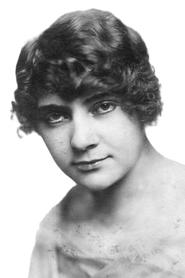
Winifred Greenwood
Actor
Born: January 1, 1885 in New York, New York, United States Active: 1910-1921
Films
5 films
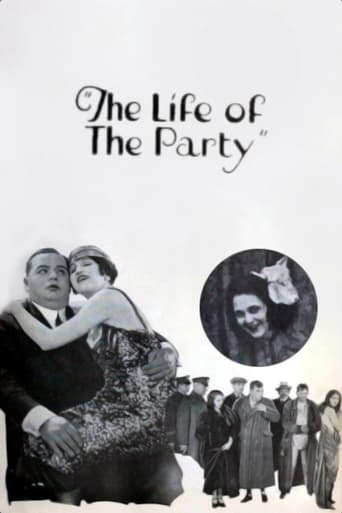
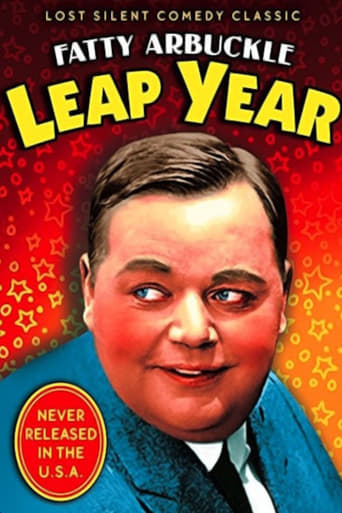
About Winifred Greenwood
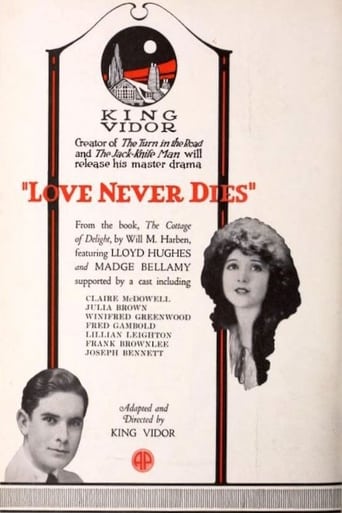
This archive lists one role for Winifred Greenwood: Love Never Dies (1921). She began her film career in 1910 with a notable appearance in the early fantasy film 'The Wonderful Wizard of Oz,' one of the first cinematic adaptations of L. Frank Baum's beloved novel. Throughout her decade-long career, Greenwood appeared in numerous short films and features, working with various production companies of the era. Her performance in 'Love Never Dies' (1921) marked one of her later film appearances before she seemingly retired from the industry. Greenwood was part of the generation of film actors who helped establish the language of cinema during its formative years. While not achieving the lasting fame of some of her contemporaries, she contributed to the early American cinema through her work in dozens of productions during the silent era.
The Craft
On Screen
As a silent film actress, Winifred Greenwood employed the dramatic physical acting style characteristic of the era, using exaggerated facial expressions and gestures to convey emotion and narrative without dialogue. Her performances were typical of the transitional period between the more theatrical style of early cinema and the more naturalistic approach that would develop in the later silent era.
Milestones
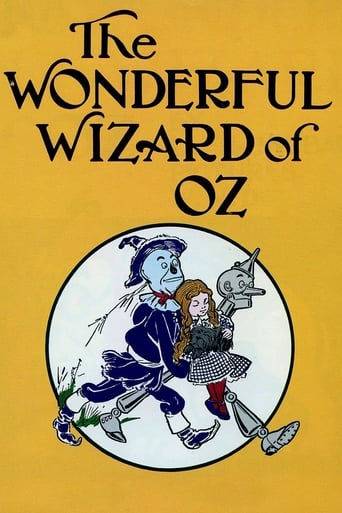
- Appeared in the 1910 film adaptation of 'The Wonderful Wizard of Oz'
- Starred in 'Love Never Dies' (1921)
- Worked throughout the silent film era with various production companies
- Appeared in numerous short films during the 1910s
Best Known For
Iconic Roles
Must-See Films
Working Relationships
Studios
Why They Matter
Impact on Culture
Winifred Greenwood's contribution to cinema history lies primarily in her participation in one of the earliest film adaptations of 'The Wonderful Wizard of Oz' in 1910, a landmark in fantasy filmmaking that predates the more famous 1939 version by nearly three decades. As part of the first generation of film actors, she helped establish the visual language of cinema during its formative years. Her work represents the transitional period in American film history when the medium was evolving from simple novelty to sophisticated storytelling art form.
Lasting Legacy
While Winifred Greenwood may not be a household name today, her legacy endures through her contribution to early cinema, particularly her role in preserving the magical world of Oz on film during its earliest cinematic incarnation. Her filmography serves as a valuable record of the evolving art of film acting during the silent era, capturing a moment in cinematic history when the foundations of modern film performance were being laid.
Who They Inspired
As an actress from the era of American cinema, Winifred Greenwood was part of the generation that established many of the techniques and approaches to film acting that would influence subsequent generations of performers. Her work in early adaptations of literary classics helped demonstrate cinema's potential for bringing beloved stories to the screen.
Off Screen
Very little documented information is available about Winifred Greenwood's personal life, which was not uncommon for actors of the early silent era who often lived outside the public spotlight compared to later film stars. Like many actors of her generation, she appears to have transitioned out of the film industry as it evolved into the studio system era of the 1920s.
Did You Know?
- The 1910 version of 'The Wonderful Wizard of Oz' in which she appeared was only 13 minutes long
- Her film active years covered the entire decade of the 1910s, covering the period when cinema evolved from short films to feature-length productions
- She worked during the same era as other silent film pioneers like Mary Pickford and Lillian Gish
- The 1910 'Wizard of Oz' film was produced by the Selig Polyscope Company
- Her final known film appearance was in 1921, just before the industry transition to sound began
- Silent film actors of her era often had to provide their own costumes and makeup
- The 1910 'Wizard of Oz' is now considered a lost film, with only fragments surviving
Frequently Asked Questions
Who was Winifred Greenwood?
American actress who worked during the silent film era from 1910 to 1921. She is best known for appearing in the 1910 film adaptation of 'The Wonderful Wizard of Oz,' one of the earliest cinematic versions of the famous story.
What films is Winifred Greenwood best known for?
Titles linked here include The Wonderful Wizard of Oz (1910), Love Never Dies (1921).
When was Winifred Greenwood born and when did she die?
Born January 1, 1885; died death date not listed.
What awards did Winifred Greenwood win?
There are no documented awards or nominations for Winifred Greenwood, which was typical for actors of her era during the early days of cinema before formal award systems like the Academy Awards were established.
What was Winifred Greenwood's acting style?
As a silent film actress, Greenwood employed the dramatic physical acting style characteristic of the period, using expressive gestures and facial expressions to convey emotions and story elements without the benefit of spoken dialogue.
Why is Winifred Greenwood's work historically significant?
Her participation in the 1910 'Wizard of Oz' makes her part of cinema history as it represents one of the earliest attempts to bring fantasy literature to the screen. This predated the famous 1939 version by nearly three decades and helped establish cinema's potential for fantasy storytelling.