Films
1 film
About Marcia Moore
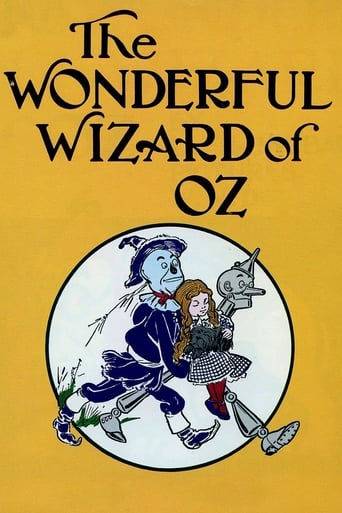
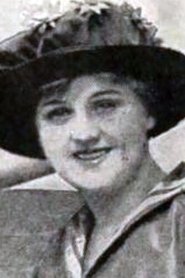
Marcia Moore appears once in this catalog: The Wonderful Wizard of Oz (1910). Her known filmography consists of a single appearance in the 1910 adaptation of 'The Wonderful Wizard of Oz,' which was one of the earliest film versions of L. Frank Baum's beloved story. The film was produced by the Selig Polyscope Company, one of the major production houses of the early silent era. Moore's career appears to have been extremely brief, with documented activity limited to the year 1910, which was not uncommon for actors in the nascent film industry where many performers appeared in only a handful of films before moving on to other pursuits. Like many actors from this period, detailed records of her life and career are scarce, reflecting the transient nature of early film work and the lack of comprehensive documentation that would become standard in later decades. Her contribution to cinema history, while brief, represents the work of countless performers who helped establish the foundation of the film industry during its formative years.
The Craft
Milestones
- Appeared in 'The Wonderful Wizard of Oz' (1910), one of the earliest film adaptations of L. Frank Baum's work
Best Known For
Iconic Roles
Must-See Films
Working Relationships
Studios
Why They Matter
Impact on Culture
Marcia Moore's contribution to cinema represents the work of the countless early film actors who participated in the foundational years of the movie industry. Her appearance in 'The Wonderful Wizard of Oz' (1910) places her within the context of early literary adaptations that helped establish cinema as a storytelling medium. While her individual impact may be difficult to trace due to the limited documentation of early film performers, she was part of the generation that helped transition entertainment from stage to screen and demonstrated the potential of film to bring beloved literary works to visual life.
Lasting Legacy
Marcia Moore's legacy is preserved through her participation in one of the earliest film adaptations of 'The Wonderful Wizard of Oz,' a work that represents an important milestone in the history of fantasy cinema and literary adaptations. Like many actors from the silent era's first decade, her career serves as a reminder of the countless performers who contributed to cinema's development during its experimental phase. Her work, though brief, is part of the historical record of how filmmakers began adapting popular literature for the screen, setting precedents that would influence countless future adaptations.
Who They Inspired
Due to the extremely limited documentation of Marcia Moore's career and the brief nature of her film work, her specific influence on other performers or filmmakers cannot be definitively traced. However, as part of the cast of an early adaptation that helped establish conventions for bringing fantasy literature to film, she contributed to the evolving language of cinema that would influence subsequent generations of filmmakers and actors.
Off Screen
Very little information is available about Marcia Moore's personal life, which is typical for actors from the earliest days of cinema who often had brief careers and limited public documentation.
Did You Know?
- The 1910 'Wonderful Wizard of Oz' film was only about 13 minutes long
- This was one of the earliest film adaptations of L. Frank Baum's famous book, which was originally published in 1900
- The Selig Polyscope Company, which produced the film, was one of the first motion picture studios in America
- Very few actors from this 1910 production have detailed biographical information available
- The film was released just 15 years after the invention of motion pictures
- Silent film actors from this era often had stage backgrounds and were drawn from theatrical companies
- Many early film actors like Moore had extremely brief careers, sometimes appearing in only one or two films
Frequently Asked Questions
Who was Marcia Moore?
Early silent film actress known for appearing in the 1910 film adaptation of 'The Wonderful Wizard of Oz.' Her career appears to have been extremely brief, with documented activity limited to the year 1910 during the days of American cinema.
What films is Marcia Moore best known for?
Titles linked here include The Wonderful Wizard of Oz (1910).
When was Marcia Moore born and when did she die?
Unfortunately, specific birth and death dates for Marcia Moore are not available in historical records, which is common for actors from the earliest days of cinema who often had brief careers and limited documentation.
What awards did Marcia Moore win?
There are no documented awards or nominations for Marcia Moore, which is typical for actors from the silent film era's first decade when formal award systems for cinema had not yet been established.
What was Marcia Moore's acting style?
Due to the limited documentation of her career and the fact that only one film role is known, specific details about Marcia Moore's acting style are not available. Actors from this period typically drew from theatrical traditions common in early silent cinema.