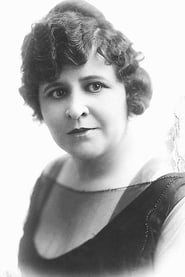
Lillian Leighton
Actor
Born: May 17, 1874 in San Francisco, California, USA Died: March 19, 1956 Active: 1910-1927
Films
10 films
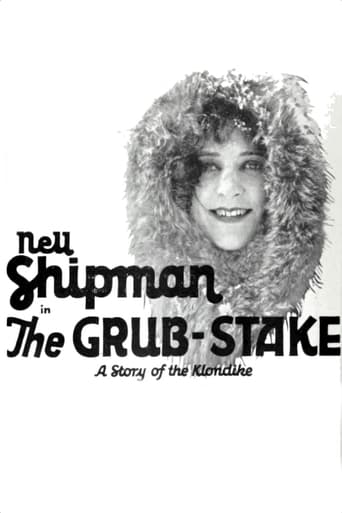

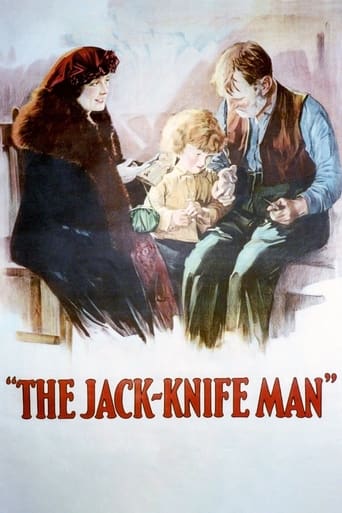
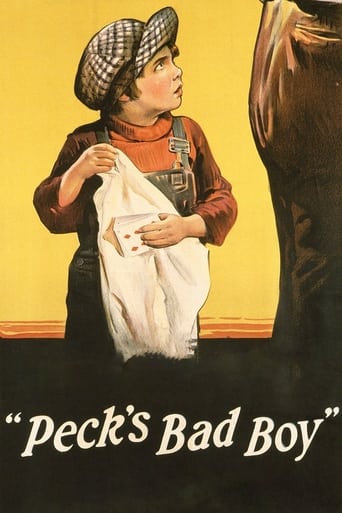
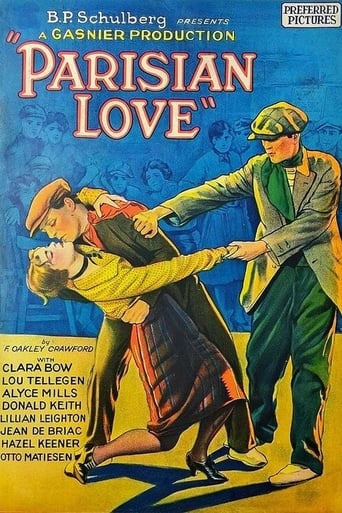
About Lillian Leighton
Lillian Leighton appeared in over 200 motion pictures between 1910 and 1927. Born in San Francisco in 1874, she began her film career at the age of 36 with Selig Polyscope Company and quickly established herself as a reliable supporting actress, often cast as mothers, aunts, and other matronly figures. She worked extensively with director Tod Browning, appearing in several of his films including 'The Unholy Three' (1925). Leighton was particularly adept at playing stern but loving matriarchs and became a familiar face to silent film audiences through her work with major studios like Universal, Fox, and Paramount. As the film industry transitioned to sound, her career slowed, and she made her final film appearances in the late 1920s before retiring from the screen. Her longevity and consistency during the silent era made her recognizable character actresses of her time.
The Craft
On Screen
Lillian Leighton was known for her naturalistic and understated acting style, particularly effective in portraying stern yet compassionate maternal figures. Her performances were characterized by a dignified presence and expressive facial features that could convey complex emotions without dialogue, making her perfectly suited for silent cinema. She had a remarkable ability to transform herself into various motherly and aunt roles, bringing authenticity and warmth to characters that could have easily become one-dimensional stereotypes.
Milestones
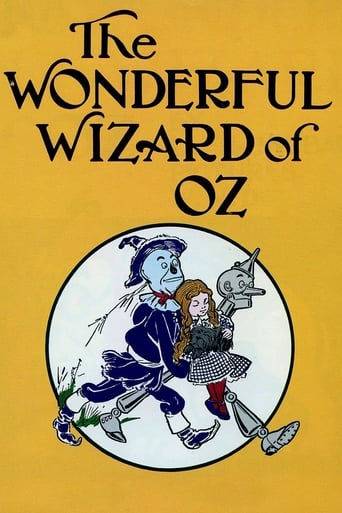
- Film debut in The Wonderful Wizard of Oz (1910)
- Extensive collaboration with director Tod Browning
- Over 200 film appearances during silent era
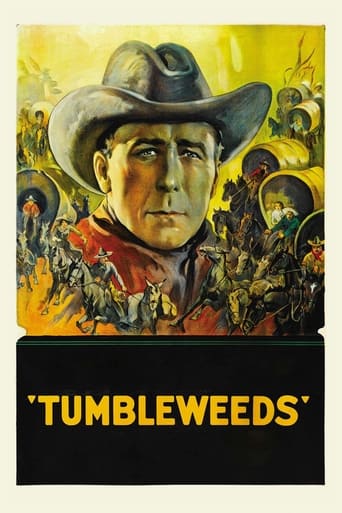
- Notable role in Tumbleweeds (1925) alongside William S. Hart
- Prolific work as a character actress at Universal Studios
Best Known For
Iconic Roles
Must-See Films
Accolades
Special Recognition
- Star on the Hollywood Walk of Fame (Motion Pictures) - 6721 Hollywood Blvd
Working Relationships
Worked Often With
Studios
Why They Matter
Impact on Culture
Lillian Leighton represented the archetype of the American mother figure during the silent film era, helping to establish the visual language of maternal representation in cinema. Her consistent presence in hundreds of films provided audiences with a sense of familiarity and comfort during the rapidly evolving early years of Hollywood. As one of the few actresses who successfully maintained a career as an older character actress during an era that primarily valued youth, she helped pave the way for future generations of character actors. Her work with directors like Tod Browning contributed to the development of early American film aesthetics and storytelling techniques.
Lasting Legacy
Lillian Leighton's legacy lies in her contribution to the foundation of character acting in American cinema. Her extensive filmography serves as a valuable resource for film historians studying the development of supporting roles in silent films. She demonstrated that character actors could build sustainable careers in the new medium of motion pictures, influencing how studios would cast and utilize supporting talent. Her star on the Hollywood Walk of Fame recognizes her significant contribution to early American cinema, and her films continue to be studied and appreciated by silent film enthusiasts and scholars.
Who They Inspired
Leighton influenced subsequent generations of character actresses by demonstrating the importance of reliability, versatility, and professionalism in supporting roles. Her ability to create distinct maternal characters without falling into caricature provided a template for future character actors. Younger actresses at Universal Studios learned from her work ethic and technical proficiency in silent film acting. Her collaborations with major directors helped establish the importance of strong character actors in supporting leading players and advancing narrative development.
Off Screen
Lillian Leighton was born into a theatrical family and began her career on the stage before transitioning to films. She married twice during her lifetime, first to actor and director James Gordon, and later to actor Harry L. Fraser. Despite her prolific film career, she maintained a relatively private personal life away from the Hollywood spotlight. After retiring from acting, she lived quietly in California until her death in 1956 at the age of 81.
Education
Limited formal education, trained in theater and dramatic arts through practical experience in stage productions
Family
- James Gordon (1910-1917)
- Harry L. Fraser (1918-1932)
Did You Know?
- Appeared in over 200 films during her 17-year career
- Began her film career at age 36, relatively late for the era
- Was one of the few actresses to successfully transition from stage to film
- Worked with virtually every major silent film star of her era
- Her film debut was in the first film adaptation of The Wizard of Oz
- Often played characters older than her actual age
- Was particularly popular in Western films, where she frequently played pioneer women
- Survived the 1906 San Francisco earthquake before beginning her film career
- Retired from films just as the sound era was beginning
- Her second husband, Harry L. Fraser, was a prominent film director and writer
In Their Own Words
In silent pictures, your eyes had to do all the talking. Every expression counted.
Playing mothers wasn't just a role, it was about understanding the heart of family
The camera doesn't lie, so you must bring truth to every character
Working in pictures taught me that small roles could have big impact
Frequently Asked Questions
Who was Lillian Leighton?
Screen credits include over 200 films between 1910 and 1927, specializing in maternal and matriarchal roles.
What films is Lillian Leighton best known for?
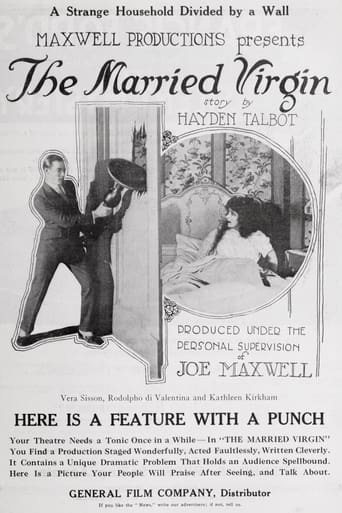
Titles linked here include The Wonderful Wizard of Oz (1910), The Married Virgin (1918).
When was Lillian Leighton born and when did she die?
Born May 17, 1874; died March 19, 1956.
What awards did Lillian Leighton win?
While she didn't receive major acting awards during her career era, she was honored with a star on the Hollywood Walk of Fame at 6721 Hollywood Boulevard for her contributions to motion pictures.
What was Lillian Leighton's acting style?
Leighton was known for her naturalistic and understated acting style, particularly effective in portraying stern yet compassionate maternal figures with expressive facial features perfect for silent cinema.
Did Lillian Leighton work with any famous directors?
Yes, she had extensive collaborations with director Tod Browning, appearing in several of his films including The Unholy Three (1925), and worked with many other prominent directors of the silent era.
Why did Lillian Leighton retire from acting?
Leighton retired from films in the late 1920s as the industry transitioned to sound pictures, a time when many silent era actors found their careers diminishing, though she had already built an impressive 17-year career in film.