Otis Turner
Director
Born: November 2, 1862 in Milwaukee, Wisconsin, United States Died: March 28, 1918 Active: 1908-1917
Films
3 films
About Otis Turner
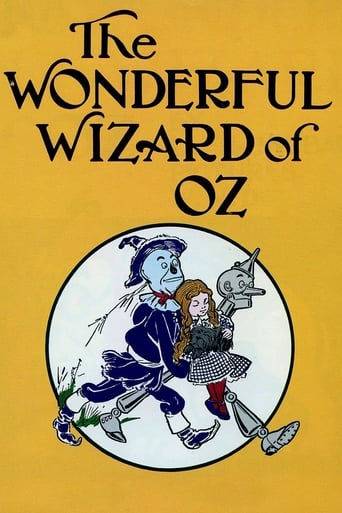
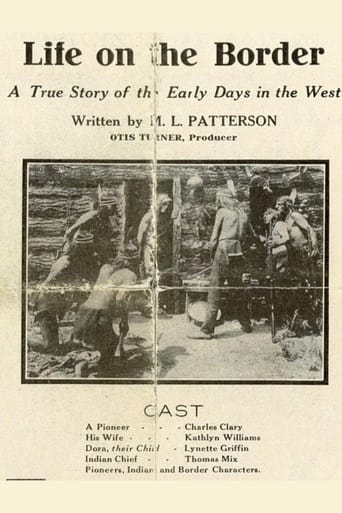
American film director during the early silent era, most notably known for directing one of the first film adaptations of 'The Wonderful Wizard of Oz' in 1910. Working primarily for the Selig Polyscope Company, Turner was part of the first generation of filmmakers who helped establish the language of cinema during its formative years. His adaptation of Baum's beloved novel was for its time, attempting to bring fantasy elements to the screen when film technology was still in its infancy. Beyond his Oz adaptation, Turner directed numerous short films between 1908 and 1917, though many of these works have been lost to time due to the fragility of early film stock. His career, though relatively brief, represents an important transitional period in American cinema as filmmakers moved from simple actualities to narrative storytelling. Turner was married to actress Margarita Fischer, who frequently starred in his films, creating one of early cinema's notable creative partnerships. He died at age 55 in 1918, before the film industry had fully matured into the Hollywood studio system that would dominate American cinema.
The Craft
Behind the Camera
As an early pioneer, Turner's directing style was characterized by the theatrical, stage-like presentations typical of the period, with actors using exaggerated gestures to convey emotion without dialogue. He worked within the technical limitations of the era, using static camera positions and simple editing techniques while still attempting to create magical and fantastical elements on screen. His approach to 'The Wonderful Wizard of Oz' demonstrated innovative thinking for the time, attempting to bring Baum's imaginative world to life despite the primitive special effects available.
Milestones
- Directed The Wonderful Wizard of Oz (1910)
- work in early fantasy cinema
- Directed for Selig Polyscope Company
- Contributed to early narrative filmmaking
- Married to and frequently worked with actress Margarita Fischer
Best Known For
Must-See Films
Accolades
Special Recognition
- Recognized as an early cinema pioneer by film historians
- His 1910 Oz film preserved in the National Film Registry as historically significant
Working Relationships
Worked Often With
Studios
Why They Matter
Impact on Culture
Otis Turner's most significant cultural impact comes from his 1910 adaptation of 'The Wonderful Wizard of Oz,' which represents one of the earliest attempts to bring fantasy literature to the cinematic medium. This film, though primitive by modern standards, helped establish fantasy as a viable genre in cinema and paved the way for the numerous Oz adaptations that would follow, including the iconic 1939 version. Turner's work during this transitional period of film history contributed to the development of narrative storytelling techniques that would become fundamental to cinema. His films, while mostly lost, represent important artifacts from the era when filmmakers were first discovering the unique possibilities of the moving image as an art form. His collaboration with his wife Margarita Fischer also demonstrated early examples of creative partnerships in cinema that would become common in later decades.
Lasting Legacy
Turner's legacy lies primarily in his role as an early cinema pioneer who helped establish the foundations of narrative filmmaking in America. His adaptation of 'The Wonderful Wizard of Oz' stands as a historically significant work that demonstrates the early ambitions of filmmakers to create fantastical worlds on screen. While many of his films have been lost, those that survive provide valuable insight into the techniques and aspirations of early 20th century cinema. Turner represents the generation of filmmakers who worked during cinema's transition from novelty to art form, and his contributions, though not widely recognized today, helped shape the future of American filmmaking. His work is studied by film historians as an example of how early directors grappled with the challenges of bringing literature and fantasy to the screen with limited technology.
Who They Inspired
As an early pioneer, Turner influenced subsequent generations of filmmakers by demonstrating that fantasy and literary adaptations could be successful cinematic ventures. His work on 'The Wonderful Wizard of Oz' helped establish the visual language that would later be refined in more sophisticated adaptations of the same material. The techniques he developed for bringing magical elements to the screen, while primitive, laid groundwork for future special effects and fantasy filmmaking. His collaboration with his wife Margarita Fischer also represented one of the early examples of creative partnerships in cinema that would become common in later decades. Turner's approach to narrative storytelling during cinema's formative years influenced how subsequent directors would structure and pace their films.
Off Screen
Limited information is available about Turner's personal life, which was typical for many early filmmakers whose private details were not extensively documented. He was married to actress Margarita Fischer, who appeared in several of his films, including 'The Wonderful Wizard of Oz' where she played Dorothy Gale. Their professional collaboration was significant during the early years of American cinema. Turner died relatively young at the age of 55, before the film industry had fully matured into the Hollywood studio system.
Family
- Margarita Fischer (1910-1918, until his death)
Did You Know?
- His 1910 adaptation of 'The Wonderful Wizard of Oz' was only 13 minutes long
- The film was one of the first to use color tinting for certain scenes
- Most of Turner's films are now considered lost due to the deterioration of early film stock
- He directed over 100 short films during his career, though many titles are unknown
- His wife Margarita Fischer was one of the highest-paid actresses of the 1910s
- The 1910 Oz film featured a talking scarecrow decades before the famous 1939 version
- Turner began his career as an actor before transitioning to directing
- He worked during the period when film production was centered in Chicago before moving to Hollywood
- His films were distributed internationally, helping establish American cinema's global presence
- The surviving print of 'The Wonderful Wizard of Oz' was discovered in the 1970s
- He was one of the first directors to attempt special effects for fantasy sequences
- His work predated the establishment of Hollywood as the center of American film production
Frequently Asked Questions
Who was Otis Turner?
American on YTB.my. He worked for major early film studios like Selig Polyscope Company and was instrumental in developing narrative filmmaking techniques during cinema's formative years.
What films is Otis Turner best known for?
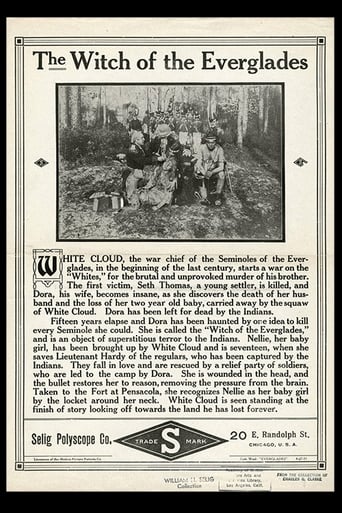
Titles linked here include The Wonderful Wizard of Oz (1910), The Witch of the Everglades (1911).
When was Otis Turner born and when did he die?
Born November 2, 1862; died March 28, 1918.
What awards did Otis Turner win?
Otis Turner did not receive any formal awards during his career, as the Academy Awards were not established until 1929, eleven years after his death. However, he is recognized by film historians as an important pioneer of early American cinema, particularly for his contributions to fantasy filmmaking.
What was Otis Turner's directing style?
Turner's directing style reflected the theatrical, stage-like presentations typical of the early silent era, with exaggerated acting and static camera positions. Despite technical limitations, he demonstrated innovation in bringing fantastical elements to screen, particularly in his Oz adaptation, where he used primitive special effects and color tinting to create magical atmospheres.
Was Otis Turner married?
Yes, Otis Turner was married to actress Margarita Fischer from 1910 until his death in 1918. Fischer frequently starred in his films, including playing Dorothy Gale in his 1910 adaptation of 'The Wonderful Wizard of Oz,' making them one of early cinema's notable creative partnerships.
Why is Otis Turner's 1910 Wizard of Oz film significant?
Turner's 1910 adaptation of 'The Wonderful Wizard of Oz' is historically significant as the first screen adaptation of Baum's novel and one of the earliest fantasy films ever made. Despite being only 13 minutes long and using primitive effects, it demonstrated the potential for bringing literary fantasy to cinema and paved the way for all subsequent Oz adaptations, including the famous 1939 version.