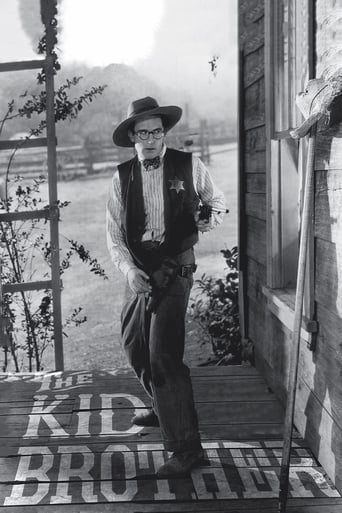
Ralph Yearsley
Actor
Born: September 6, 1896 in London, England Died: December 5, 1928 Active: 1921-1927
Films
4 films
About Ralph Yearsley
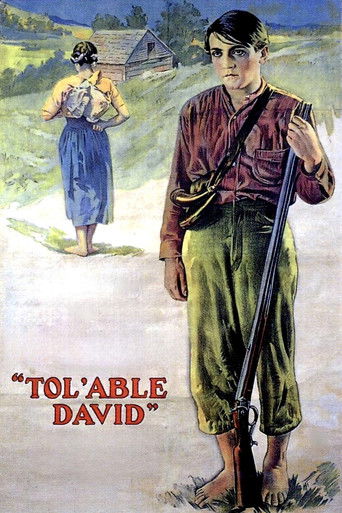
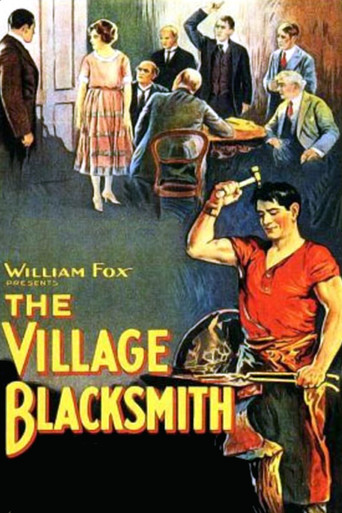
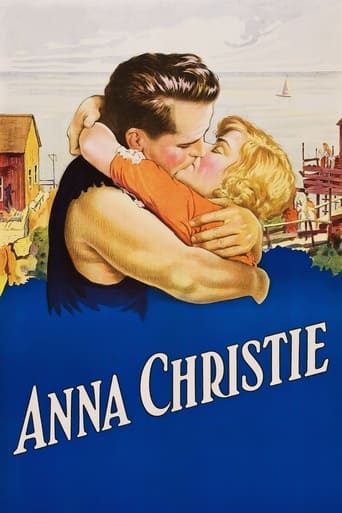
British character actor who found success in American silent films during the early 1920s. Born in England, he immigrated to the United States and began his film career with director Henry King in Tol'able David (1921), where he played the villainous Luke Hatburn opposite Richard Barthelmess. His menacing screen presence and distinctive features made him a reliable antagonist in numerous productions throughout the decade. Yearsley worked with some of the era's most prominent directors, including John Ford in The Village Blacksmith (1922) and Clarence Brown in Anna Christie (1923), Greta Garbo's first American film. His most memorable role came as the villainous Luke Hatburn in Tol'able David, which established his typecasting as a menacing heavy. Yearsley's career was relatively brief but impactful, spanning from 1921 to 1927, after which he seemingly disappeared from the film industry. His final notable appearance was in Harold Lloyd's comedy classic The Kid Brother (1927), where he continued his pattern of playing antagonistic characters.
The Craft
On Screen
Yearsley specialized in playing menacing villains and antagonists, utilizing his imposing physical presence and intense facial expressions to create memorable threats to the protagonists. His acting style was typical of the silent era's dramatic approach, emphasizing broad gestures and exaggerated facial movements to convey emotion and intent effectively without dialogue.
Milestones
- Breakthrough role as Luke Hatburn in Tol'able David (1921)
- Appeared in Greta Garbo's American debut Anna Christie (1923)
- Worked with director John Ford in The Village Blacksmith (1922)
- Final major role in Harold Lloyd's The Kid Brother (1927)
Best Known For
Iconic Roles
Must-See Films
Working Relationships
Worked Often With
Studios
Why They Matter
Impact on Culture
Ralph Yearsley represents the archetype of the silent era character actor who specialized in villainous roles, contributing to the dramatic tension in several significant films of the period. His performance in Tol'able David helped establish the template for the menacing rural antagonist that would influence subsequent Western and rural dramas. Though not a major star, his work in Anna Christie placed him in the historical context of Greta Garbo's transition to American cinema, making him part of a pivotal moment in film history.
Lasting Legacy
Yearsley's legacy lies in his memorable contributions to some of the most significant silent films of the early 1920s. His portrayal of Luke Hatburn in Tol'able David remains a textbook example of silent era villainy, studied by film scholars for its effectiveness in establishing dramatic stakes. While his career was cut short by his early death, his performances continue to be appreciated by silent film enthusiasts and historians as examples of solid character acting from the period.
Who They Inspired
As a character actor specializing in villainous roles, Yearsley influenced the development of the antagonist archetype in American cinema, particularly in rural and Western settings. His work demonstrated how effective supporting villains could elevate the dramatic tension of a film, a lesson that influenced subsequent generations of character actors and casting directors.
Off Screen
Ralph Yearsley was born in London, England, and immigrated to the United States to pursue an acting career in Hollywood. Little is documented about his personal life, but his relatively short career and early death at age 32 suggest he may have faced health challenges. He was part of the wave of British actors who found success in American silent films during the 1920s.
Did You Know?
- Born in London but found success in American silent films
- Died at the young age of 32, ending a promising career
- Was typecast as a villain throughout his short career
- Appeared in Greta Garbo's first American film
- His most famous role as Luke Hatburn required him to be genuinely menacing without being cartoonish
- Part of the British actor migration to Hollywood in the 1920s
- His final film appearance was in a Harold Lloyd comedy, showing his versatility
- Despite his villainous roles, contemporaries described him as gentlemanly off-screen
- His death coincided with the transition from silent to sound films
Frequently Asked Questions
Who was Ralph Yearsley?
British character with credits in this catalog. He appeared in several notable films including Tol'able David and Anna Christie before his early death at age 32.
What films is Ralph Yearsley best known for?
Titles linked here include Tol'able David (1921), The Village Blacksmith (1922).
When was Ralph Yearsley born and when did he die?
Born September 6, 1896; died December 5, 1928.
What was Ralph Yearsley's acting style?
Yearsley specialized in playing menacing villains using the dramatic techniques of the silent era, including intense facial expressions and broad gestures. He was particularly effective at creating threatening characters without the use of dialogue.
Did Ralph Yearsley win any awards?
No, Ralph Yearsley did not receive any major awards or nominations during his career, which was common for character actors in the silent era who played supporting roles.
Why was Ralph Yearsley's career so short?
Yearsley's active years covered only from 1921 to 1927 and was cut short by his early death at age 32. This brevity, combined with the transition to sound films, limited his opportunities to establish a longer-lasting career in Hollywood.