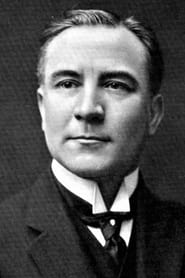
Émile Chautard
Actor & Director
Born: September 24, 1864 in Paris, France Died: March 17, 1934 Active: 1911-1934
Films
7 films
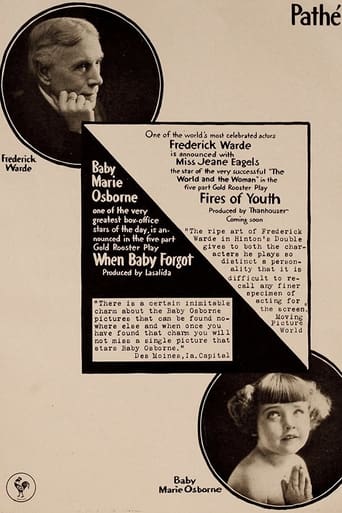

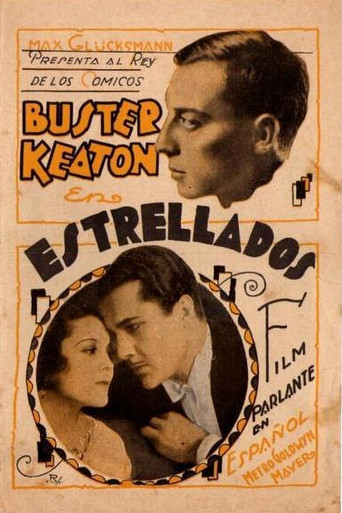
About Émile Chautard
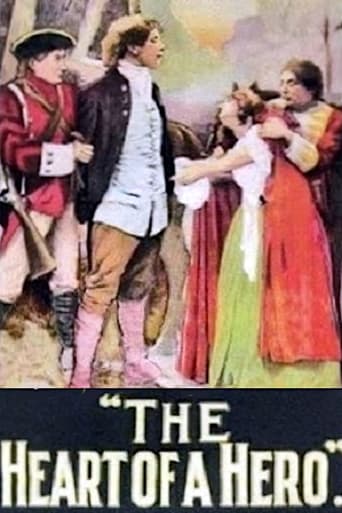
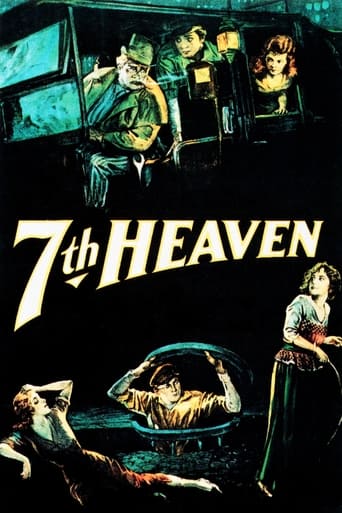
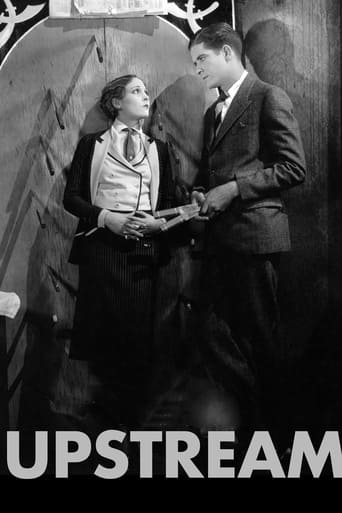
Made significant contributions to both European and American cinema during the silent era. Born in Paris in 1864, he began his career in French theater before transitioning to the burgeoning film industry in the early 1910s. As a director, he created several notable French silent films including 'Chicot the Jester' (1913), 'The Heart of a Hero' (1916), and 'The Fires of Youth' (1917), showcasing his ability to adapt literary works and craft compelling narratives. In the mid-1920s, Chautard immigrated to the United States and transitioned primarily to acting, bringing his European theatrical training and sophistication to Hollywood productions. His most memorable screen performances came in 1927 with supporting roles in the acclaimed films '7th Heaven' and John Ford's 'Upstream,' where his dignified presence and nuanced performances added depth to these classic productions. Chautard's the crucial period when cinema was evolving from a novelty to a sophisticated art form, and his work bridged two major cinematic traditions. He continued acting in American films through the early sound era until his death in 1934, leaving behind a legacy as a versatile artist who helped shape early cinema.
The Craft
On Screen
Chautard brought a theatrical dignity and European sophistication to his screen performances, with a particular talent for portraying authority figures, aristocrats, and characters of gravitas. His acting style was characterized by subtle facial expressions and measured movements, reflecting his stage training in the French theatrical tradition. As a character actor in Hollywood, he specialized in roles that required an air of refinement and worldly experience, often playing doctors, professors, or European nobility. His performances were marked by a naturalistic approach that stood in contrast to the more exaggerated acting styles common in early silent films.
Behind the Camera
As a director in France, Chautard demonstrated a sophisticated understanding of cinematic storytelling, particularly in adapting literary works for the screen. His directing style emphasized narrative clarity and emotional depth, with careful attention to composition and visual storytelling. He was known for his ability to extract nuanced performances from his actors and create atmospheric settings that enhanced the dramatic impact of his films. His work showed early mastery of cinematic techniques including effective use of lighting and camera movement to convey mood and advance the narrative.
Milestones
- Directed 'Chicot the Jester' (1913)
- Directed 'The Heart of a Hero' (1916)
- Directed 'The Fires of Youth' (1917)
- Acted in Academy Award-winning '7th Heaven' (1927)
- Transitioned from French director to Hollywood character actor
- Bridged European and American cinema traditions
Best Known For
Iconic Roles
Must-See Films
Accolades
Won
- Academy Award for Best Picture (as cast member of '7th Heaven', 1927)
Nominated
- Academy Award for Best Unique and Artistic Picture ('7th Heaven', 1927)
Special Recognition
- Contributor to early French cinema
- Pioneer in international film collaboration
Working Relationships
Worked Often With
Studios
Why They Matter
Impact on Culture
Émile Chautard played a significant role in the cultural exchange between European and American cinema during the silent era. As a French director who successfully transitioned to Hollywood acting, he helped bring European artistic sensibilities to American films while also contributing to the internationalization of cinema. His work in films like '7th Heaven' helped establish the sophisticated romantic drama that would become a hallmark of 1920s Hollywood cinema. Chautard represented the generation of European artists who enriched American film culture with their training and perspectives, contributing to Hollywood's emergence as the global center of film production.
Lasting Legacy
Émile Chautard's legacy lies in his dual contribution to cinema as both a French director and a character actor in classic Hollywood films. His directorial work in France during the 1910s represents an important chapter in early European cinema, while his acting roles in American films like '7th Heaven' and 'Upstream' ensure his presence in some of the most celebrated films of the silent era. As part of the transition from national cinemas to a global film industry, Chautard exemplifies the international collaboration and cultural exchange that characterized early Hollywood. His career trajectory from French director to Hollywood actor mirrors the broader shift in film production from Europe to America during the 1920s.
Who They Inspired
Chautard influenced cinema through his sophisticated approach to both directing and acting, bringing European theatrical traditions to the medium of film. His work in adapting literary sources for the screen helped establish techniques that would become standard in narrative cinema. As an actor, his dignified, nuanced style provided a model for character actors in supporting roles, demonstrating how smaller parts could contribute significantly to a film's overall impact. His career path also influenced other European artists considering opportunities in Hollywood, showing how established directors could successfully transition to acting in the American film industry.
Off Screen
Émile Chautard was born into a middle-class Parisian family in 1864 and received his education in France before pursuing a career in the performing arts. He married and had children before immigrating to the United States in the mid-1920s as part of the wave of European talent drawn to Hollywood's booming film industry. His transition from French director to American character actor reflected both personal ambition and the shifting center of global film production from Europe to Hollywood. Chautard spent his final years in Los Angeles, where he continued working in films until his death in 1934, becoming part of the French expatriate community in Hollywood.
Education
Educated in Paris, France; likely attended theatrical training programs or conservatories given his stage background
Family
- Unknown (married before immigration to US)
Did You Know?
- One of the few French directors to successfully transition to acting in Hollywood
- Appeared in '7th Heaven', which won the first Academy Award for Best Picture
- His directing career in France preceded his acting career in America by over a decade
- Part of the wave of European talent that enriched Hollywood in the 1920s
- His last film appearances were in early sound films, showing his adaptability to new technology
- Represented the transition from national film industries to global Hollywood dominance
- His theatrical background in France influenced his dignified screen presence
- Worked during the pivotal year of 1927, which saw both the peak of silent cinema and the advent of sound
- His active years covered from the early days of feature films to the beginning of the sound era
In Their Own Words
No widely documented quotes are available from Émile Chautard, as was common for character actors of the silent era who rarely gave interviews or published writings about their craft
Frequently Asked Questions
Who was Émile Chautard?
French actor and on YTB.my. He began as a director in France in the 1910s before transitioning to acting in Hollywood films in the 1920s, appearing in notable productions like '7th Heaven' and 'Upstream'.
What films is Émile Chautard best known for?
Titles linked here include 7th Heaven (1927), Upstream (1927).
When was Émile Chautard born and when did he die?
Born September 24, 1864; died March 17, 1934.
What awards did Émile Chautard win?
While Chautard didn't receive personal awards, he was part of the cast of '7th Heaven' (1927), which won the first Academy Award for Best Picture. The film was also nominated for the Academy Award for Best Unique and Artistic Picture.
What was Émile Chautard's acting style?
Chautard brought a theatrical dignity and European sophistication to his performances, specializing in roles requiring gravitas and refinement. His style emphasized subtle expressions and measured movements, reflecting his French theatrical training, and he often played authority figures and aristocrats.
How did Émile Chautard influence cinema?
Chautard influenced cinema through his work in bridging European and American film traditions, bringing sophisticated European artistic sensibilities to Hollywood. His dual career as both director and actor exemplified the internationalization of cinema during the silent era.
Did Émile Chautard work in sound films?
Yes, Chautard's career extended into the early sound era, though he was primarily known for his silent film work. His final film appearances in the early 1930s showed his adaptability to the new technology of sound cinema.