

The Heart of a Hero
"This is a visualization of the life of patriot Nathan"
Keys: Space play/pause · ←/→ 10s · F fullscreen · M mute · </> speed
About this film
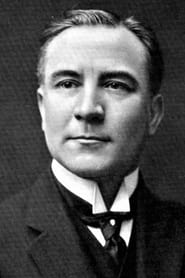
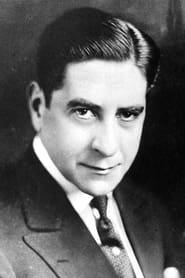
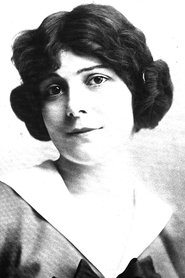
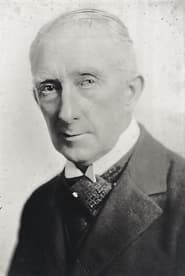
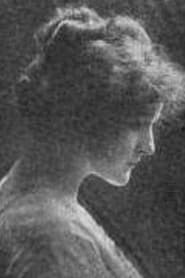
This is a visualization of the life of patriot Nathan Hale which is based on a play by Clyde Fitch. Robert Warwick plays Nathan (and does a fine job) and Gail Kane the girl whom he loves (Alice Adams).
Cast & crew
More films like this
More Drama films
View all →







More from Émile Chautard
View all →

More about this film
About the production
Release dateMarch 20, 1916
Box officeBox office records not preserved from this period
ProductionWorld Film Corporation
Filmed inFort Lee, New Jersey, New York City studios
The picture was produced during World War I, giving the Revolutionary War story contemporary patriotic resonance. Director Émile Chautard brought his French cinematic sensibilities to this distinctly American story, utilizing the then-popular Fort Lee, New Jersey film production hub. The production faced the technical limitations of 1916 filmmaking, including the need for natural lighting and primitive special effects for the war sequences.
Themes
Patriotism and National SacrificeLove and DutyMartyrdom and HeroismWar and Its Personal CostsAmerican Independence
Themes & topics
Historical background
The Heart of a Hero (1916) reached audiences through World Film Corporation in United States, when exhibitors still built programs from varied shorts and features rather than single-block bookings.
Why this film matters
Programmers and historians revisit The Heart of a Hero (1916) because its story—this is a visualization of the life of patriot nathan hale which is based on a play by clyde fitch—illustrates popular narrative habits and production norms of the period.
Making of
The production of The Heart of a Hero represented the collaboration between French director Émile Chautard and American playwright Clyde Fitch's estate, bringing theatrical sophistication to the burgeoning film medium. Robert Warwick, primarily known for stage work, had to adapt his acting style for the silent film camera, emphasizing facial expressions and physical gestures to convey emotion without dialogue. The war sequences were particularly challenging to film in 1916, requiring the use of explosives and stunt performers to create battle scenes without modern special effects. The production team conducted extensive research into 18th-century military uniforms and colonial architecture to ensure historical accuracy, though some liberties were taken for dramatic effect. the picture's score, now lost, would have been performed live in theaters by pianists or small orchestras, with cue sheets provided to guide the musical accompaniment through the picture's emotional beats.
What critics said
English-language trade reviews of The Heart of a Hero are limited for 1916. Where notices survive, they stress pacing and photographic clarity; later criticism values the title as archival evidence of studio style.
Did you know?
- the picture was based on playwright Clyde Fitch's 1900 stage play 'Nathan Hale', which was especially popular American historical dramas of its time
- Robert Warwick, who played Nathan Hale, was a former Harvard football star before becoming an actor, bringing athletic presence to the role
- Director Émile Chautard was a respected French filmmaker who fled to America during World War I and became a prominent director in the early American film industry
- the picture's release coincided with heightened American patriotism as the country debated entering World War I, making the Revolutionary War theme particularly timely
- Gail Kane, who played Alice Adams, was known as 'The Girl with the Golden Eyes' and was one of the era's most popular screen actresses
- Alec B. Francis, who appeared in a supporting role, was a veteran character actor who appeared in over 200 films during his career
- the picture was one of many historical biopics produced during the silent era that sought to educate as well as entertain audiences
- World Film Corporation, the production company, was one of the major independent film studios of the 1910s before being absorbed by larger conglomerates
- the picture featured elaborate period costumes and sets designed to recreate 18th-century America, a significant expense for the production
- This was one of the earliest film adaptations of a Nathan Hale story, though it would not be the last
Visual style
The cinematography of The Heart of a Hero reflects the technical standards of 1916 filmmaking, utilizing stationary camera positions typical of the era with occasional tracking shots for dramatic effect. the picture employed natural lighting for exterior scenes, particularly in the outdoor sequences depicting colonial America and Revolutionary War battles. Interior scenes were lit using primitive artificial lighting that created dramatic shadows but limited camera movement. The cinematographer, likely working with World Film Corporation's regular staff, would have used hand-cranked cameras requiring careful timing to maintain consistent exposure. Period costumes and sets were photographed to emphasize their historical authenticity, with careful attention to detail in military uniforms and colonial architecture. the picture's visual style was influenced by director Émile Chautard's French background, incorporating subtle composition techniques that were more sophisticated than many American productions of the period.
Innovations
The Heart of a Hero employed standard technical practices for 1916 filmmaking but showed some sophistication in its production values. the picture utilized the then-standard 35mm film format with a projection speed of approximately 16 frames per second. The battle sequences featured primitive special effects using controlled explosives and smoke to simulate warfare, which was considered advanced for the period. The production benefited from improved lighting equipment that had recently become available, allowing for more sophisticated interior photography than earlier films. the picture's five-reel length was substantial for 1916, indicating the producer's confidence in the story's appeal. The historical costumes and sets represented significant investments in production design, showing the growing importance of visual authenticity in feature films. While not technically groundbreaking, the picture demonstrated the maturation of American film production techniques during the mid-1910s.
Music
The original musical score for The Heart of a Hero has been lost, as was typical for silent films of this era. the picture would have been accompanied by live music in theaters, ranging from single pianists in smaller venues to small orchestras in larger cinemas. World Film Corporation likely provided cue sheets suggesting appropriate musical pieces for different scenes, including patriotic tunes like 'Yankee Doodle' and 'Hail Columbia' for the American sequences. The emotional climax of Hale's execution would have been accompanied by somber, dramatic music to enhance the tragic moment. Some theaters might have used popular classical pieces that matched the mood of various scenes, a common practice in silent film exhibition. The music would have been crucial in conveying emotion and narrative continuity in the absence of dialogue, particularly during the picture's most dramatic moments.
Famous quotes
I only regret that I have but one life to lose for my country - Nathan Hale's immortal last words
My duty to my country calls me, though my heart stays with you - Hale to Alice Adams
In times of war, even teachers must become soldiers - Hale's decision to serve
Memorable scenes
- The emotional farewell between Nathan Hale and Alice Adams as he leaves for his dangerous mission
- The tense sequence where Hale is discovered as a spy by British soldiers
- The powerful final scene depicting Hale's execution and his famous last words on the gallows
- The battle sequences showing Revolutionary War combat with period-accurate military formations
- Hale's transformation from schoolteacher to patriot spy in the picture's opening acts
What audiences thought
The Heart of a Hero was well-received by audiences in 1916, particularly in smaller cities and towns where patriotic films had strong appeal. Contemporary theater reports indicated good attendance, especially during periods when news from World War I dominated headlines. Audiences responded positively to Robert Warwick's performance and the picture's emotional climax depicting Hale's execution. the picture's timing during the lead-up to American involvement in World War I enhanced its resonance with viewers grappling with questions of patriotism and sacrifice. Family audiences particularly appreciated the picture's moral clarity and educational value regarding American history. However, like most films of the silent era, its appeal was limited to audiences willing to engage with the medium's unique storytelling methods. the picture's success contributed to Robert Warwick's growing popularity as a leading man in historical dramas.
Film connections
Influenced by
- Clyde Fitch's 1900 play 'Nathan Hale'
- Contemporary World War I patriotism
- 19th-century American historical literature
- Stage melodrama traditions
- French cinematic techniques via director Émile Chautard
This film influenced
- Later Nathan Hale film adaptations
- 1923's 'The Spirit of the Age' (similar patriotic themes)
- 1930s historical biopics
- Revolutionary War films of subsequent decades
Film restoration
The Heart of a Hero is considered a lost film. Like approximately 75% of American silent films, no complete copies are known to survive in any archive or private collection. the picture was likely lost due to the nitrate film decomposition that destroyed many silent era productions, or through studio disposal when the picture's commercial value expired. No fragments or trailers are known to exist in major film archives such as the Library of Congress, UCLA Film & Television Archive, or the Museum of Modern Art. The loss represents a significant gap in the filmography of director Émile Chautard and actor Robert Warwick, as well as in the history of American Revolutionary War cinema.
Where to watch
- No viewing options available - the picture is considered lost