
George MacQuarrie
Actor
Born: June 2, 1873 in San Francisco, California, United States Died: April 17, 1951 Active: 1916-1920 Birth Name: George Hugh MacQuarrie
Films
4 films
About George MacQuarrie
Prominent character actor during the silent film era, primarily active between 1916 and 1920. He began his screen career at a pivotal time when the film industry was transitioning from short subjects to feature-length productions. MacQuarrie specialized in supporting roles, often portraying authority figures, aristocrats, or paternal characters in dramatic productions. He worked with several directors of the silent era, including D.W. Griffith and Cecil B. DeMille, appearing in their ambitious projects that helped define early American cinema. His career, though relatively brief, coincided with the golden age of silent filmmaking when actors relied heavily on physical expression and pantomime to convey emotion. MacQuarrie's screen presence and ability to adapt to the demanding requirements of silent performance made him a reliable supporting player in numerous productions. His film career appears to have concluded around 1920, possibly due to the changing dynamics of the industry or personal choice, leaving behind a modest but significant body of work from cinema's formative years.
The Craft
On Screen
MacQuarrie employed the classic theatrical style common to silent film actors, using exaggerated gestures and facial expressions to convey emotion without dialogue. His performances were characterized by a dignified presence and strong physical bearing, making him ideal for authority figures and paternal roles. Like many actors of his generation who transitioned from stage to screen, he brought a theatrical gravitas to his film work, using his commanding voice and stage training to inform his silent performances.
Milestones
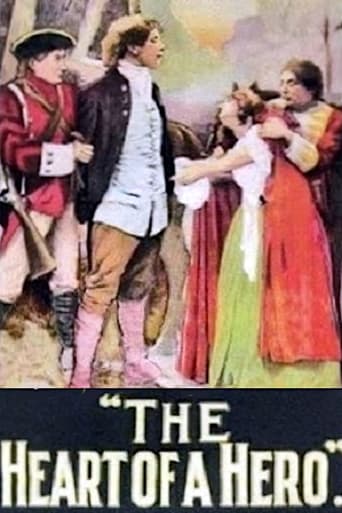
- Debut in The Heart of a Hero (1916)
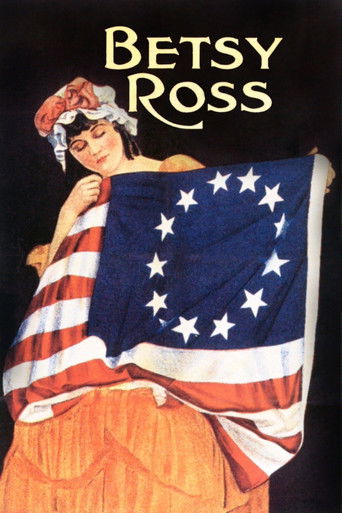
- Portrayal of historical figure in Betsy Ross (1917)
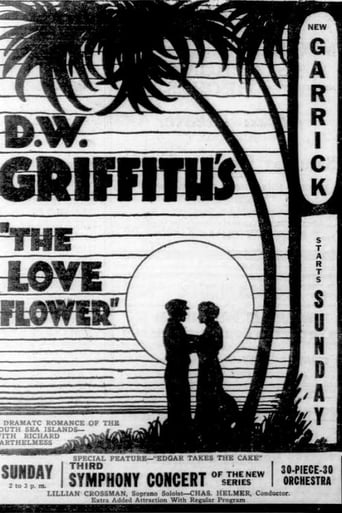
- Collaboration with D.W. Griffith in The Love Flower (1920)
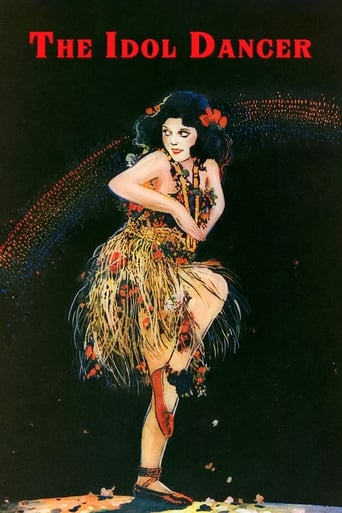
- Role in The Idol Dancer (1920)
- Transition from stage to film during silent era
Best Known For
Iconic Roles
Must-See Films
Working Relationships
Worked Often With
Studios
Why They Matter
Impact on Culture
George MacQuarrie represents the generation of classically trained actors who helped legitimize film as an art form during its early years. As a character actor during the silent era, he contributed to the development of film acting techniques that would later influence generations of performers. His work in historical dramas like 'Betsy Ross' helped establish the genre of historical biopics that would become a staple of American cinema. Though not a major star, his reliable supporting performances provided the foundation upon which leading actors could build their characters, contributing to the overall quality and sophistication of silent film productions during a crucial period of artistic development.
Lasting Legacy
While George MacQuarrie may not be remembered as a major star of silent cinema, his legacy lies in his contribution to the foundational years of American filmmaking. His body of work, though brief, serves as a valuable record of the acting styles and storytelling techniques of the silent era. As one of the many character actors who populated early films, he represents the collaborative nature of cinema and the importance of supporting performances in creating memorable movies. His filmography, preserved through the surviving prints of his movies, continues to provide insight into the artistic values and cultural concerns of America during the World War I era.
Who They Inspired
MacQuarrie's influence extends primarily through his example as a professional actor who successfully transitioned from theatrical traditions to the new medium of film. His dignified portrayals of authority figures helped establish archetypes that would be refined and referenced by later generations of character actors. As part of D.W. Griffith's company, he contributed to productions that influenced countless filmmakers and actors who followed. His career trajectory from stage to silent film represents a common path for his generation of actors, serving as a historical example of how performers adapted to technological and artistic changes in the entertainment industry.
Off Screen
George MacQuarrie was born in San Francisco in 1873, coming of age during the Victorian era and witnessing the birth of the film industry. Before entering films, he likely had a background in theater, which was common for actors of his generation who transitioned to the new medium of cinema. He lived through major historical events including the 1906 San Francisco earthquake and World War I, which would have influenced his worldview and artistic sensibilities. His later years were spent during the transition from silent films to talkies and through the Great Depression, though he appears to have left the film industry before the major changes of the late 1920s.
Family
- Miriam MacQuarrie (married until his death in 1951)
Did You Know?
- Born in San Francisco just three years after the city's incorporation
- Began his film career at age 43, relatively late for a silent film actor
- His active years covered exactly four years during World War I and its immediate aftermath
- Worked with director D.W. Griffith during Griffith's most productive period
- Appeared in 'Betsy Ross' during the centennial period of increased American patriotism
- His film career ended before the transition to sound pictures in the late 1920s
- Lived to age 77, outliving the silent era he helped define by three decades
- His real name was George Hugh MacQuarrie, but he used George MacQuarrie professionally
- Part of the generation of actors who bridged 19th-century theater and 20th-century cinema
- His death in 1951 occurred during the golden age of television, a medium he never worked in
Frequently Asked Questions
Who was George MacQuarrie?
American character with credits in this catalog. He specialized in supporting roles, often portraying authority figures and historical characters in films like 'Betsy Ross' and 'The Love Flower.'
What films is George MacQuarrie best known for?
Titles linked here include The Heart of a Hero (1916), Betsy Ross (1917).
When was George MacQuarrie born and when did he die?
Born June 2, 1873; died April 17, 1951.
What awards did George MacQuarrie win?
George MacQuarrie did not receive any major film awards or nominations during his career. The Academy Awards were not established until 1929, after his film career had already ended, and recognition for character actors was limited during the silent era.
What was George MacQuarrie's acting style?
MacQuarrie employed the classic theatrical style of silent film acting, using exaggerated gestures and facial expressions to convey emotion. His dignified presence and strong physical bearing made him ideal for authority figures and paternal roles in dramatic productions.