
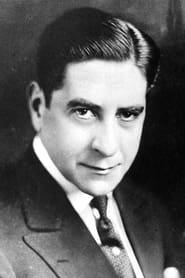
Robert Warwick
Actor
Born: October 9, 1878 in Sacramento, California, USA Died: June 6, 1964 Active: 1914-1959 Birth Name: Robert Taylor Brisbin
Films
4 films
About Robert Warwick
American actor: remarkable over five decades, beginning in the silent film era and continuing well into the sound era. Born Robert Taylor Brisbin, he began his entertainment career on the Broadway stage before transitioning to motion pictures in the mid-1910s. Warwick quickly established himself as a leading man in silent films, starring in numerous productions for studios like Famous Players Film Company and Paramount Pictures. His handsome appearance and commanding screen presence made him a popular romantic lead during the 1910s and 1920s. Unlike many silent stars, Warwick successfully made the transition to talkies, though often in supporting character roles rather than leading parts. He continued acting prolifically through the 1930s, 1940s, and 1950s, appearing in over 300 films throughout his career. His longevity in the industry and adaptability to changing cinematic styles made him a respected figure in Hollywood, known for his professionalism and versatility across genres from drama to comedy.
The Craft
On Screen
Robert Warwick was known for his dignified, refined acting style that emphasized classical theatrical training and stage presence. His performances were characterized by clear enunciation, precise gestures, and a commanding screen presence that translated well from stage to screen. In silent films, he excelled at conveying emotion through subtle facial expressions and body language, while in talkies, his rich baritone voice and articulate delivery made him particularly effective in aristocratic or authoritative roles. Warwick's approach was rooted in traditional stage acting techniques, which gave his performances a certain gravitas and sophistication that set him apart from more naturalistic actors of his time.
Milestones
- Broadway stage debut in early 1900s
- Film debut in 1914
- Leading man status in silent films
- Successful transition to sound films
- Prolific character actor in 1930s-1950s
- Over 300 film appearances
- Member of The Lambs Club
Best Known For
Iconic Roles
Must-See Films
Accolades
Special Recognition
- Member of The Lambs Club
- Hollywood Walk of Fame star (6400 Hollywood Blvd)
Working Relationships
Worked Often With
Studios
Why They Matter
Impact on Culture
Robert Warwick represents the archetype of the successfully transitioning silent film star who adapted to the demands of sound cinema. His career trajectory from leading man to character actor mirrors the broader evolution of Hollywood itself during the first half of the 20th century. Warwick's ability to maintain employment and relevance through multiple eras of filmmaking demonstrates the importance of versatility and adaptability in the entertainment industry. His work helped establish the template for character actors who would follow, showing how performers could build lasting careers by evolving with the medium rather than being defined by a single era or type of role.
Lasting Legacy
Robert Warwick's legacy lies in his extraordinary longevity and adaptability as a performer across five decades of dramatic change in cinema. His filmography serves as a valuable record of the transition from silent films to talkies and the evolution of American cinema during the Golden Age of Hollywood. Warwick's career demonstrates how classical training and theatrical discipline could be successfully adapted to the film medium, providing a model for subsequent generations of character actors. His numerous appearances in classic films, though often in supporting roles, contribute to the Hollywood's golden era, making him a significant figure in film history despite never achieving top-billing status in his later years.
Who They Inspired
Warwick influenced younger actors through his professional example of reliability, adaptability, and dedication to craft. His successful transition from silent leading man to sound character actor provided a blueprint for other performers facing similar challenges. His classical approach to acting, rooted in theatrical tradition, helped maintain standards of performance quality during the rapid technological changes of the 1920s and 1930s. Many character actors who followed in his footsteps benefited from the expanded opportunities for mature, experienced performers that his career helped normalize in Hollywood.
Off Screen
Robert Warwick married twice during his lifetime. His first marriage was to actress Florence Foley in 1912, which ended in divorce in 1929. He later married Stella Larchmont in 1931, and they remained together until her death in 1951. Warwick had no children from either marriage. He was known as a private individual who maintained a professional demeanor throughout his long career. Despite his extensive filmography, Warwick remained relatively humble about his achievements and was respected by his colleagues for his reliability and dedication to his craft.
Education
Educated in Sacramento schools; received theatrical training through early stage experience
Family
- Florence Foley (1912-1929)
- Stella Larchmont (1931-1951)
Did You Know?
- Born as Robert Taylor Brisbin but changed his name for his acting career
- Began as a stage actor on Broadway before entering films
- Served in World War I, which briefly interrupted his film career
- Made his film debut in 1914 at age 36, relatively late for a leading man
- Appeared in over 300 films during his 45-year career
- Successfully transitioned from silent leading man to sound character actor
- Was a member of the prestigious theatrical organization The Lambs Club
- Often played aristocratic or authority figures due to his dignified appearance
- Worked with many legendary directors including Hitchcock and DeMille
- Continued acting well into his 70s, appearing in films until 1959
In Their Own Words
The secret to longevity in pictures is simple: be professional, be reliable, and never stop learning your craft.
Silent pictures taught us the importance of expression without words - a lesson that served us well when sound came along.
I never minded becoming a character actor. Leading men come and go, but good character actors work forever.
Frequently Asked Questions
Who was Robert Warwick?
American with credits in this catalog. Born in 1878, he began as a Broadway stage actor before transitioning to films, eventually appearing in over 300 movies. He successfully made the transition from silent leading man to sound character actor, known for his dignified presence and versatility.
What films is Robert Warwick best known for?
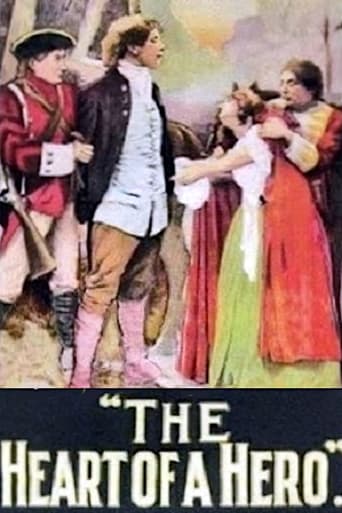
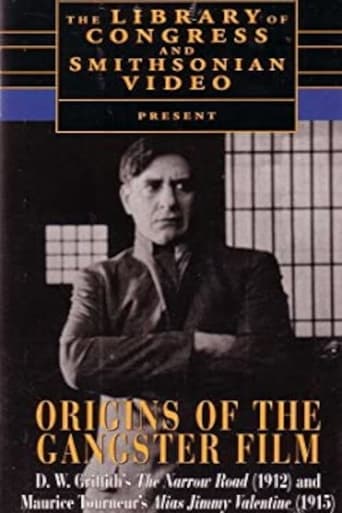
Titles linked here include Alias Jimmy Valentine (1915), The Heart of a Hero (1916).
When was Robert Warwick born and when did he die?
Born October 9, 1878; died June 6, 1964.
How did Robert Warwick transition from silent to sound films?
Warwick successfully transitioned to sound films by adapting his stage-trained voice and classical acting style to the new medium. Unlike many silent stars who struggled with talkies, his theatrical background and clear enunciation made him valuable in character roles, though he shifted from leading man to supporting parts.
What was Robert Warwick's acting style like?
Warwick's acting style was characterized by classical theatrical training, emphasizing dignified presence, clear articulation, and refined gestures. In silent films, he excelled at subtle emotional expression through body language, while in talkies, his rich baritone voice and authoritative demeanor made him ideal for aristocratic and authority figure roles.