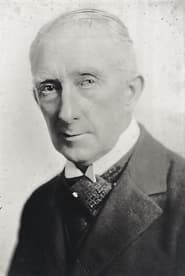
Alec B. Francis
Actor
Born: December 14, 1867 in London, England Died: July 1934 Active: 1911-1934 Birth Name: Alexander Francis
Films
18 films

Beyond the Rocks
1922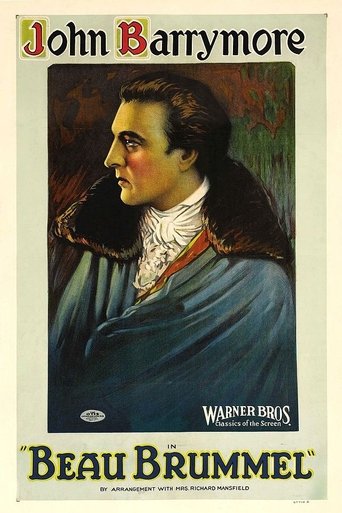
Beau Brummel
1924
Robin Hood
1912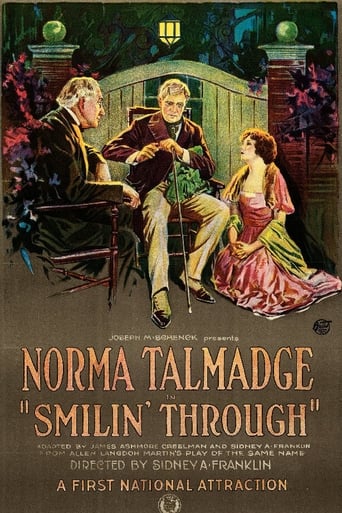
Smilin' Through
1922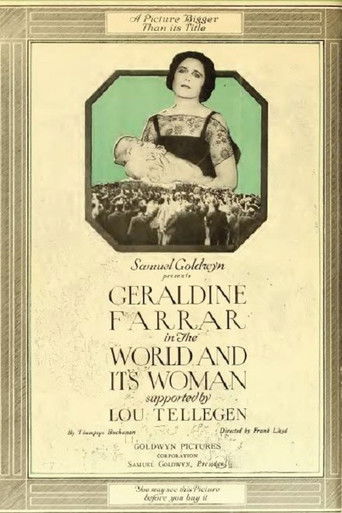
The World and Its Woman
1919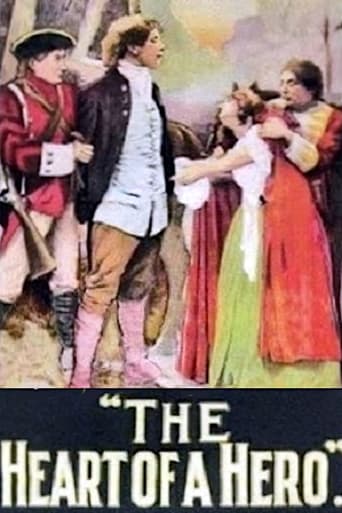
The Heart of a Hero
1916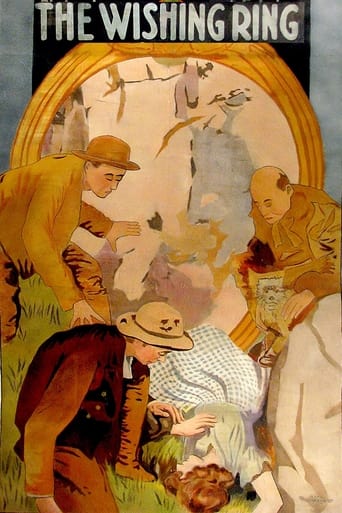
The Wishing Ring: An Idyll of Old England
1914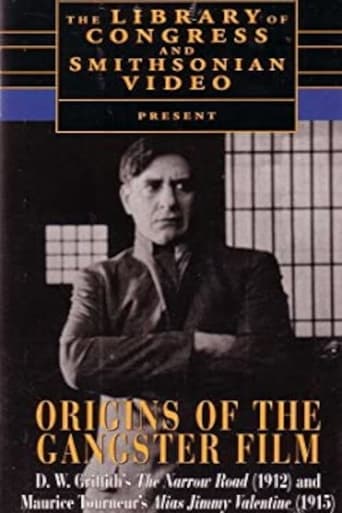
Alias Jimmy Valentine
1915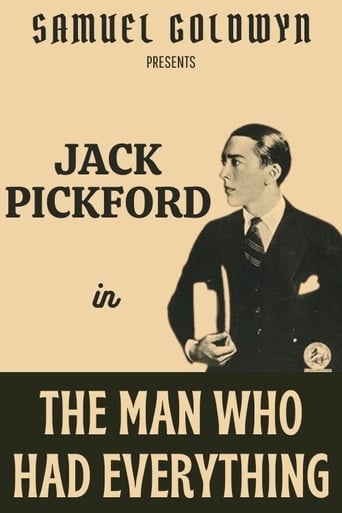
The Man Who Had Everything
1920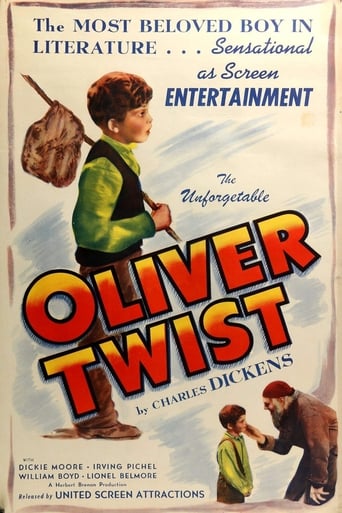
Oliver Twist
1933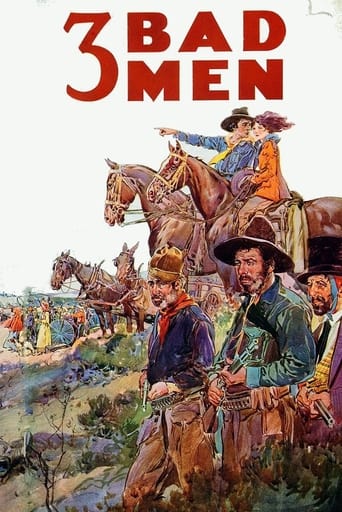
3 Bad Men
1926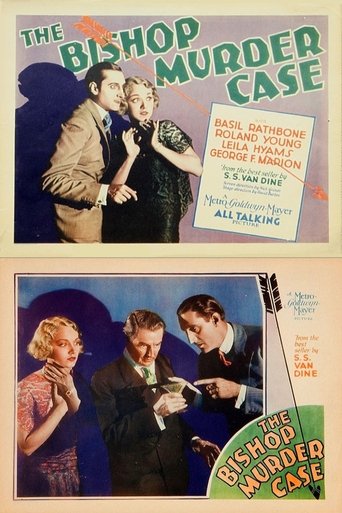
The Bishop Murder Case
1929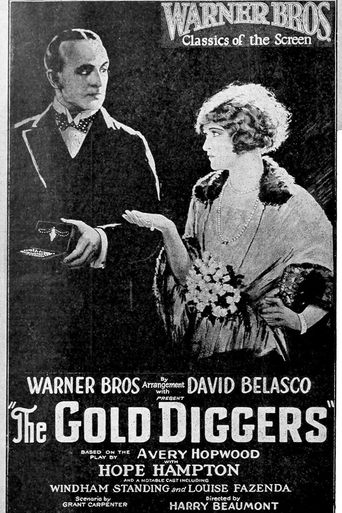
The Gold Diggers
1923
Feet First
1930
Outward Bound
1930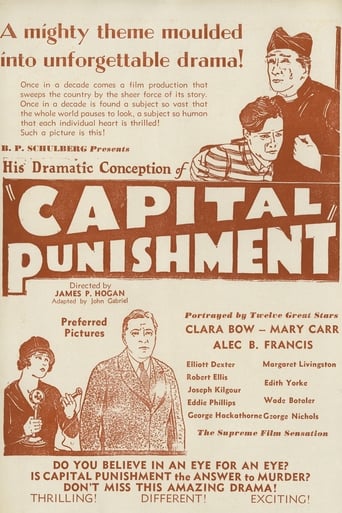
Capital Punishment
1925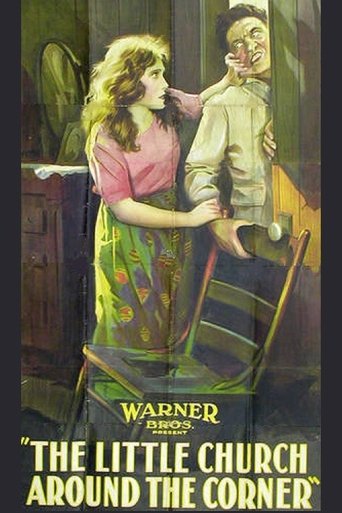
Little Church Around the Corner
1923About Alec B. Francis
Alec B. Francis, born Alexander Francis, was a British character actor who became recognizable supporting players in American silent cinema. Beginning his career on the London stage, he transitioned to films in the early 1910s and quickly established himself as a reliable performer in dignified, authoritative roles. Francis worked extensively with director D.W. Griffith, appearing in landmark films such as 'The Birth of a Nation' (1915) and 'Intolerance' (1916), where his commanding presence and refined bearing made him ideal for playing judges, aristocrats, and clergymen. His prolific output during the silent era saw him appear in over 200 films, often typecast as paternal figures or men of authority. With the advent of sound, Francis successfully transitioned to talkies, though his roles became smaller as he aged. He continued working until shortly before his death in 1934, leaving behind a legacy as one of silent cinema's most dependable character actors.
The Craft
On Screen
Francis was known for his dignified, authoritative presence and refined theatrical training. His acting style was rooted in classical stage technique, characterized by precise diction, erect posture, and a commanding demeanor that made him perfect for roles requiring gravitas and respectability. He brought a sense of authenticity to aristocratic and professional characters, using subtle gestures and controlled expressions to convey authority and wisdom.
Milestones
- Stage debut in London in the 1880s
- Film debut in 1911
- Collaboration with D.W. Griffith on 'The Birth of a Nation' (1915)
- Key role in 'Intolerance' (1916)
- Successful transition to sound films in the early 1930s
- Over 200 film appearances during career
Best Known For
Iconic Roles
Must-See Films
Working Relationships
Worked Often With
Studios
Why They Matter
Impact on Culture
Alec B. Francis represented the bridge between Victorian theatrical tradition and modern cinema, bringing classical acting techniques to the new medium of film. His consistent portrayals of authority figures helped establish visual archetypes for American cinema, particularly in depicting the establishment and institutional power. His work with D.W. Griffith contributed to some of the most influential films in early cinema history, helping shape narrative film language. Francis exemplified the character actor's importance in creating believable cinematic worlds, providing the supporting foundation that allowed stars to shine.
Lasting Legacy
Francis's legacy lies in his contributions to establishing the character actor as an essential component of Hollywood storytelling. His extensive filmography serves as a valuable record of early American cinema's development, particularly the transition from theatrical to cinematic acting styles. His ability to adapt from stage to screen, and then from silent films to talkies, demonstrated remarkable versatility. Today, film historians recognize Francis as an exemplar of the reliable supporting player who, while never a star, was crucial to the success of countless productions during cinema's formative decades.
Who They Inspired
Francis influenced subsequent generations of character actors by demonstrating the value of specialization and reliability in supporting roles. His dignified portrayals established templates for how authority figures should be depicted in American cinema. His successful transition from silent films to sound provided a model for older actors facing technological changes in the industry. Younger actors learned from his professional conduct and dedication to craft, regardless of the size of the role.
Off Screen
Alec B. Francis maintained a relatively private personal life despite his extensive film career. He married actress Florence Turner, one of America's first film stars, though their marriage eventually ended in divorce. Francis was known for his professionalism and reliability on set, earning respect from directors and fellow actors alike. He was a member of the Lambs Club in New York, indicating his continued connection to theatrical circles. In his later years, he struggled with declining health but continued working as long as possible, demonstrating his dedication to his craft.
Education
Trained in classical theatre in London during the 1880s
Family
- Florence Turner (1916-1924)
Did You Know?
- Was one of the few actors to appear in both 'The Birth of a Nation' and 'Intolerance'
- Began his film career at age 44 after decades on the stage
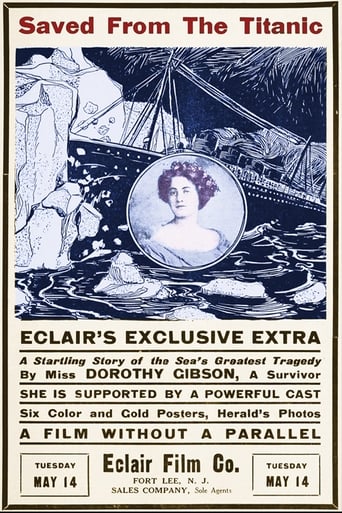
- Appeared in the controversial 'Saved from the Titanic' (1912), starring actual Titanic survivor Dorothy Gibson
- Worked with virtually every major director of the silent era
- Was a founding member of the Screen Actors Guild
- Spoke with a distinctive British accent throughout his American film career
- Often played characters much older than his actual age
- Was known for never being late to a set
- Continued acting even after suffering a stroke late in his career
- His final film was released posthumously in 1935
In Their Own Words
The stage teaches you discipline, but film teaches you subtlety. Both are essential for the serious actor.
In pictures, the camera sees what the audience in the back row might miss - every twitch, every breath. You must be true in every moment.
I have played more judges than most real judges have seen courtrooms. Each one must be different, yet each must command respect.
Frequently Asked Questions
Who was Alec B. Francis?
British character actor who became a prominent supporting player in American silent films, known for his dignified portrayals of authority figures and his extensive work with on YTB.my.W. Griffith.
What films is Alec B. Francis best known for?
Titles linked here include The Birth of a Nation (1915), Intolerance (1916).
When was Alec B. Francis born and when did he die?
Born December 14, 1867; died July 1934.
What was Alec B. Francis's acting style?
Francis brought classical theatrical training to his film work, characterized by dignified posture, precise diction, and authoritative presence, making him ideal for playing judges, aristocrats, and other figures of authority.
How did Alec B. Francis transition from silent films to talkies?
Francis successfully transitioned to sound films in the early 1930s, leveraging his theatrical background and clear diction, though his roles became smaller as he aged and his health declined.
What was Alec B. Francis's relationship with D.W. Griffith?
Francis — frequent collaborator with D.W. Griffith, appearing in many of his most important films including 'The Birth of a Nation' and 'Intolerance', where Griffith cast him in roles requiring gravitas and authority.
How many films did Alec B. Francis appear in?
During his career from 1911 to 1934, Alec B. Francis appeared in over 200 films, making him.