


December 7th
"Pearl Harbor dramatized for morale"
Keys: Space play/pause · ←/→ 10s · F fullscreen · M mute · </> speed
About this film
Hybrid docudrama reconstructs Pearl Harbor attack and Hawaii's recovery with John Ford involvement and censored sequences. December 7th (1943) navigated propaganda needs versus factual account.
Cast & crew
More films like this


More History films
View all →


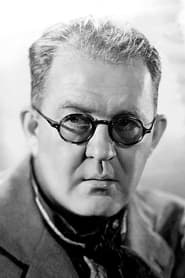
More from John Ford
View all →

More about this film
About the production
Release date1943-06-18
ProductionU.S. Office of War Information, U.S. Navy
Filmed inPearl Harbor, Hawaii, Hollywood Studios, Naval Base San Diego
The film was commissioned by the U.S. government as wartime propaganda and was produced with full cooperation from the U.S. Navy. John Ford, who was serving as a commander in the Naval Reserve, brought his extensive documentary experience to the project. The production used a combination of authentic Japanese attack footage, reenactments filmed on Hollywood sets, and actual naval operations. Ford insisted on maximum authenticity, using real sailors and military personnel whenever possible. The film faced censorship challenges from both military and government officials who were concerned about revealing sensitive information.
Themes
Themes & topics
Pearl HarborWorld War IIJapanese attackNaval battleDocumentaryPropagandaHistorical recreationMilitaryWar footageAmerican history
Historical background
December 7th was commissioned as Office of War Information sought to explain Pacific war entry.
Why this film matters
Ford's cut versus released version illustrate wartime censorship of complex national blame narratives.
Making of
The making of December 7th was itself a remarkable wartime achievement. John Ford, already an acclaimed director, put his Hollywood career on hold to serve in the Navy. His status as a naval officer allowed him to bypass many of the usual bureaucratic obstacles that would have prevented such a comprehensive documentary. The production team worked under extreme pressure, often filming at active military installations while operations continued. The reenactment sequences were particularly challenging, as they had to be filmed quickly and efficiently without disrupting wartime activities. Ford insisted on using real naval personnel rather than professional actors for most scenes, believing this would add authenticity. The film's editing process was complicated by military censors who reviewed every frame for potential security violations. Despite these challenges, Ford managed to create a film that balanced documentary accuracy with dramatic impact, using innovative techniques like split-screen sequences and rapid montage to convey the chaos of the attack.
What critics said
OWI disputes delayed release; critics later study it as Ford's contested war document.
Did you know?
- Director John Ford was actually serving as a commander in the U.S. Naval Reserve when he made the production, giving him unprecedented access to military facilities and personnel.
- The film originally ran over 100 minutes but was heavily edited down to 82 minutes by government censors who felt some scenes were too graphic or potentially revealing military secrets.
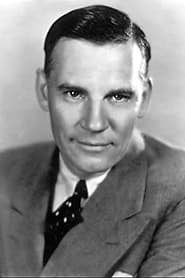
- Walter Huston's narration was recorded in a single marathon session, reportedly taking over 12 hours to complete.
- Some of the most dramatic footage showing the actual attack was captured by Japanese photographers and later obtained by American intelligence.
- The film won the Academy Award for Best Documentary Short Subject in 1944, though it was controversial because of its propagandistic nature.
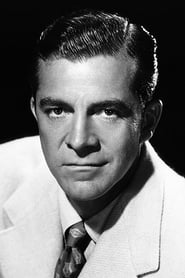
- Dana Andrews appears in the film not as an actor but as himself, having enlisted in the Army Air Corps after his Hollywood career was established.
- The production used over 500 actual military personnel as extras, many of whom were survivors of the real Pearl Harbor attack.
- Ford was injured during filming when he fell from a crane while trying to get a better angle of a simulated explosion.
- The Japanese dialogue in the film was provided by Japanese-American actors, many of whom were recruited from internment camps.
- The film's special effects, particularly the simulated explosions and sinking ships, were considered groundbreaking for their time.
Awards & recognition
- Academy Award for Best Documentary Short Subject (1944)
- New York Film Critics Circle Award for Best Documentary (1943)
Visual style
The cinematography of December 7th was groundbreaking for its time, combining multiple techniques to create a comprehensive visual record. The film used actual combat footage captured by various military cameramen, dramatic reenactments filmed on studio sets, and aerial photography of the actual Pearl Harbor site. Ford and his cinematographers employed innovative camera techniques including crane shots, underwater photography, and split-screen sequences to convey the scale of the attack. The black and white photography emphasized the stark reality of war while the careful composition of shots created a sense of both chaos and order. The film's visual style influenced subsequent war documentaries and established conventions that would be used for decades. Particularly notable were the sequences showing the attack from multiple perspectives simultaneously, a technique that required precise timing and coordination.
Innovations
December 7th pioneered several technical innovations in documentary filmmaking. The film's most significant achievement was its seamless integration of authentic footage with dramatic reenactments, creating a cohesive narrative despite using material from diverse sources. Ford and his team developed new editing techniques for combining different film stocks and qualities of footage. The production also advanced the use of miniature models for simulating large-scale naval battles, techniques that would influence future war films. The film's sound mixing was particularly innovative, combining live recordings, studio narration, and archival audio. The use of multiple camera angles and rapid editing to convey the chaos of battle was groundbreaking for documentary work. These technical achievements earned the film recognition from both military and civilian film organizations.
Music
The film's score was composed by David Buttolph, who created music that balanced dramatic tension with patriotic themes. The soundtrack made extensive use of actual military radio communications and authentic sound effects recorded during naval exercises. Walter Huston's narration provided the through-line for the film, his authoritative voice adding gravitas to the historical account. The sound design was particularly innovative for its time, using stereo effects to create a sense of spatial awareness during the attack sequences. The musical score incorporated elements of American patriotic songs and military marches, reinforcing the film's propaganda purpose. Sound engineers developed new techniques for recording and mixing the various audio elements, particularly challenging given the combination of location sound, studio recordings, and archival footage.
Famous quotes
December 7, 1941 - a date which will live in infamy - the United States of America was suddenly and deliberately attacked by naval and air forces of the Empire of Japan.
They came without warning, without provocation, without mercy.
From the ashes of destruction rose the phoenix of American resolve.
In the face of treachery, America found not weakness, but strength.
The sleeping giant had been awakened, and his wrath would be terrible.
Memorable scenes
- The opening sequence showing a peaceful Sunday morning in Hawaii, dramatically contrasted with the sudden appearance of Japanese aircraft
- The reenactment of the USS Arizona's explosion, using a combination of actual footage and studio effects
- The montage showing sailors abandoning ship while under fire, highlighting both chaos and courage
- The sequence depicting the recovery efforts, with divers working to salvage sunken vessels
- The final scenes showing rebuilt defenses and renewed American determination
What audiences thought
The film was received enthusiastically by wartime audiences, who were hungry for information about the Pearl Harbor attack and eager for patriotic content. Theaters reported strong attendance, particularly in areas with large military populations. Veterans of the Pearl Harbor attack praised the film's authenticity, though some felt it didn't fully capture the horror of the actual event. The film became a popular recruitment tool, often shown to young men considering military service. Post-war audiences viewed it more critically as the full scope of the conflict became known. In later years, the film developed a cult following among military history enthusiasts and film scholars. Today, it is primarily viewed by those interested in World War II history and classic documentary cinema.
Film connections
Influenced by
- The Battle of Midway (1942)
- Why We Fight series (1942-1945)
- Triumph of the Will (1935)
- The Plow That Broke the Plains (1936)
This film influenced
- Tora! Tora! Tora! (1970)
- Pearl Harbor (2001)
- The Longest Day (1962)
- Saving Private Ryan (1998)
Film restoration
December 7th has been preserved by the National Archives and Records Administration and the Library of Congress. The film was selected for preservation in the United States National Film Registry in 2001 for its cultural, historical, and aesthetic significance. Several restoration projects have been undertaken to preserve both the original footage and the edited version. The film exists in multiple versions, including the original 100-minute cut and the 82-minute theatrical release. Digital restoration was completed in 2015, allowing for high-quality preservation and distribution.
Where to watch
- National Archives website
- Library of Congress digital collections
- The Criterion Collection streaming service
- YouTube (official upload)
- Museum of Modern War Film Archive
- Various public domain streaming platforms