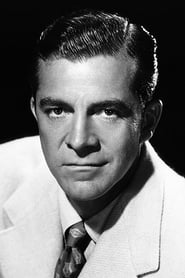
Dana Andrews
Actor
Born: January 1, 1909 in Covington, Mississippi, USA Died: December 17, 1992 Active: 1940-1975 Birth Name: Carver Dana Andrews
Films
1 film
About Dana Andrews
Dana Andrews was one of Hollywood's most leading men of the 1940s, known for his intense, naturalistic acting style and brooding screen presence. Born Carver Dana Andrews in Mississippi, he studied business administration but was drawn to acting, eventually landing a contract with Samuel Goldwyn. His breakthrough came with the film noir classic 'Laura' (1944), where he played detective Mark McPhauderson opposite Gene Tierney, establishing him as a major star. Andrews delivered perhaps his most powerful performance as Fred Derry, a returning WWII veteran struggling with post-war adjustment, in William Wyler's 'The Best Years of Our Lives' (1946), which earned him critical acclaim. Throughout the late 1940s and 1950s, he continued to star in notable films including 'A Walk in the Sun' (1945), 'The Snake Pit' (1948), and 'While the City Sleeps' (1956). His career declined in the 1960s, partly due to his struggles with alcoholism, but he made a remarkable comeback and served as president of the Screen Actors Guild from 1963-1965, advocating for actors' rights and sobriety programs within the industry.
The Craft
On Screen
Naturalistic and understated, Andrews was known for his ability to convey deep emotion through subtle facial expressions and restrained performances. He often played troubled, introspective characters with a world-weary quality, bringing psychological depth to his roles. His acting style was particularly effective in film noir, where his brooding intensity and naturalistic approach helped define the genre's cynical tone.
Milestones
- Breakthrough role in 'Laura' (1944)
- Critical acclaim for 'The Best Years of Our Lives' (1946)
- President of Screen Actors Guild (1963-1965)
- Starred in multiple film noir classics
- Successful battle against alcoholism and advocacy for recovery programs
Best Known For
Iconic Roles
Must-See Films
Accolades
Won
- New York Film Critics Circle Award for Best Actor (1946)
Nominated
- Academy Award nomination for Best Actor for 'The Best Years of Our Lives' (1946)
Special Recognition
- Star on Hollywood Walk of Fame (1960)
- President of Screen Actors Guild (1963-1965)
Working Relationships
Worked Often With
Studios
Why They Matter
Impact on Culture
Dana Andrews significantly influenced the film noir genre and helped define the archetype of the troubled, introspective protagonist in 1940s cinema. His naturalistic acting style contrasted with the more theatrical approaches of earlier Hollywood actors, paving the way for the method acting techniques that would dominate later decades. His portrayal of returning veterans in 'The Best Years of Our Lives' provided one of cinema's most authentic depictions of post-war trauma and adjustment, helping American audiences understand the psychological challenges faced by WWII veterans.
Lasting Legacy
Andrews' legacy endures through his influential performances in classic film noir and his advocacy for actors' rights and recovery programs. As Screen Actors Guild president, he established the industry's first substance abuse assistance program, saving countless careers and lives. His films continue to be studied for their psychological depth and naturalistic performances, particularly 'Laura' and 'The Best Years of Our Lives,' which remain essential viewing for understanding 1940s American cinema and post-war culture.
Who They Inspired
Andrews influenced generations of actors with his understated, naturalistic approach to performance, particularly in the film noir genre. His work inspired actors like Robert Mitchum and Humphrey Bogart in their portrayals of cynical, world-weary protagonists. His advocacy for actors' welfare and sobriety set a precedent for industry support programs that continue to this day, making him a pioneer in both artistic and humanitarian aspects of Hollywood.
Off Screen
Andrews was married twice and had four children. He struggled with alcoholism for many years, which affected his career and personal relationships, but he successfully overcame his addiction and became an advocate for recovery programs. In his later years, he was known for his dedication to helping other actors with substance abuse problems and his work with the Screen Actors Guild.
Education
Attended Louisiana State University, studied business administration; later studied acting at the Pasadena Playhouse
Family
- Janet Murray (1932-1935, her death)
- Mary Todd (1939-1992, his death)
Did You Know?
- Was a licensed pilot who flew his own planes between film locations
- His brother Steve Forrest also became a successful actor
- Was one of the first Hollywood stars to publicly discuss and battle alcoholism
- Turned down the lead role in 'Sunset Boulevard' (1950)
- Served as a combat photographer in the U.S. Army Air Forces during WWII
- Was a close friend of President Ronald Reagan from their SAG days
- His performance in 'The Best Years of Our Lives' was based on his own experiences returning from war
- Was a skilled horseman and performed many of his own stunts in westerns
- Spoke out against McCarthyism during the 1950s blacklist era
- His distinctive voice made him a popular narrator for documentaries in his later years
In Their Own Words
I've never been a star. I'm just an actor who's been around for a long time.
The best thing about being an actor is that you can live many lives in one lifetime.
Alcoholism is a disease, not a moral failing. I learned that the hard way.
In the movies, you can be the hero you wish you were in real life.
The camera doesn't lie. It shows everything, even what you think you're hiding.
Frequently Asked Questions
Who was Dana Andrews?
Prominent American with credits in this catalog.' He was renowned for his naturalistic acting style and later served as president of the Screen Actors Guild.
What films is Dana Andrews best known for?
Titles linked here include Laura (1944), The Best Years of Our Lives (1946).
When was Dana Andrews born and when did he die?
Born January 1, 1909; died December 17, 1992.
What awards did Dana Andrews win?
Andrews won the New York Film Critics Circle Award for Best Actor in 1946 and received an Academy Award nomination for Best Actor for 'The Best Years of Our Lives.' He also received a star on the Hollywood Walk of Fame in 1960.
What was Dana Andrews' acting style?
Andrews was known for his naturalistic, understated acting style that emphasized subtle emotional expression over theatricality. He specialized in playing troubled, introspective characters with psychological depth, particularly excelling in film noir roles that required brooding intensity.
Did Dana Andrews serve in the military?
Yes, Andrews served in the U.S. Army Air Forces during World War II as a combat photographer. His wartime experiences influenced his later portrayal of returning veterans in 'The Best Years of Our Lives.'
How did Dana Andrews impact Hollywood beyond acting?
Beyond his acting career, Andrews made significant contributions as president of the Screen Actors Guild from 1963-1965, where he established the industry's first substance abuse assistance program. He was also a pioneer in publicly discussing alcoholism recovery, helping destigmatize addiction in Hollywood.