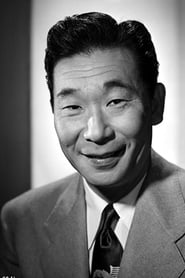
Philip Ahn
Actor
Born: March 29, 1905 in Los Angeles, California, United States Died: February 28, 1978 Active: 1934-1978 Birth Name: Philp Ahn (birth name, no stage name change)
Films
2 films
About Philip Ahn
Korean-American actor who broke racial barriers in Hollywood during the Golden Age of cinema. Born in Los Angeles to Korean independence activist Ahn Chang-ho, Ahn faced significant discrimination but persevered to become prominent Asian actors of his era. He began his career in the 1930s, often typecast in villainous roles despite his Korean heritage, frequently playing Japanese characters due to Hollywood's limited understanding of Asian cultures. His breakthrough came with his role as the villainous Wang in 'The Story of Dr. Kildare' (1939), leading to over 200 film and television appearances throughout his career. During World War II, he served in the U.S. Army Special Services, entertaining troops while continuing his acting career. Post-war, he continued to challenge stereotypes, taking on more diverse roles including the wise Master Kan in the TV series 'Kung Fu' (1972-1975). Ahn's four decades, making him prolific Asian actors in Hollywood history and paving the way for future generations of Asian-American performers.
The Craft
On Screen
Ahn developed a versatile acting style that transcended the stereotypical roles often offered to Asian actors. Despite frequently being typecast as villains or exotic characters, he brought dignity and complexity to each performance, using his deep voice and commanding presence to create memorable characters. His technique combined classical Hollywood training with subtle elements of traditional Asian performance styles, allowing him to portray both menacing antagonists and wise mentors with equal authenticity.
Milestones
- First Korean-American actor to receive a Hollywood star on the Walk of Fame
- Served in U.S. Army Special Services during WWII
- Played Master Kan in 'Kung Fu' TV series
- Appeared in over 200 films and television productions
- Broke racial barriers for Asian actors in Hollywood
Best Known For
Iconic Roles
Must-See Films
Accolades
Won
- Hollywood Walk of Fame Star (1960)
Special Recognition
- First Korean-American actor to receive a star on the Hollywood Walk of Fame
- Korean Government Cultural Medal of Honor
- Asian Pacific American Media Coalition Pioneer Award
Working Relationships
Worked Often With
Studios
Why They Matter
Impact on Culture
Philip Ahn's career had a profound impact on both Hollywood and Asian-American representation in media. As one of the first and most visible Korean-American actors, he challenged the limited and often stereotypical portrayal of Asians in American cinema. Despite being frequently cast as Japanese characters due to Hollywood's ignorance of Asian distinctions, Ahn brought dignity and complexity to roles that could have been one-dimensional. His success opened doors for future generations of Asian-American actors and helped establish a precedent for Asian representation in mainstream American entertainment. Ahn's work during and after World War II also helped bridge cultural understanding between Asian and American communities at a time of significant racial tension.
Lasting Legacy
Philip Ahn's legacy extends far beyond his extensive filmography. He is remembered as a trailblazer who broke through Hollywood's racial barriers and paved the way for Asian-American actors who followed. His star on the Hollywood Walk of Fame remains a symbol of his groundbreaking achievements. Ahn is celebrated not only for his artistic contributions but also for his dignity in the face of discrimination and his commitment to representing Asian culture with authenticity. Today, he is recognized as a foundational figure in Asian-American cinema history, and his life story continues to inspire actors and filmmakers from diverse backgrounds. The Philip Ahn Collection at the University of Southern California preserves his papers and memorabilia, ensuring his contributions to cinema history are not forgotten.
Who They Inspired
Philip Ahn influenced generations of Asian-American actors by demonstrating that it was possible to have a lasting career in Hollywood despite systemic racism. His ability to maintain dignity in stereotypical roles inspired later actors like Bruce Lee, who cited Ahn as an influence. Ahn's work ethic and professionalism set a standard for Asian performers in Hollywood, and his success in both film and television showed the viability of multi-platform careers. His portrayal of Master Kan in 'Kung Fu' particularly influenced the representation of Asian wisdom and martial arts in Western media, helping to create more nuanced Asian characters in American entertainment.
Off Screen
Philip Ahn was deeply connected to his Korean heritage and his family's legacy of activism. His father, Ahn Chang-ho, was a renowned Korean independence leader who fought against Japanese occupation of Korea. Ahn never married and devoted his life to his career and supporting his family's causes. He maintained close relationships with his siblings, particularly his sister Susan Ahn Cuddy, who became the first Asian-American woman in the U.S. Navy. Despite facing racial discrimination throughout his life, Ahn remained proud of his Korean heritage and worked to improve representation of Asians in American media.
Education
Attended Los Angeles High School, studied at the University of Southern California, and trained at the Pasadena Playhouse
Did You Know?
- His father was Ahn Chang-ho, a famous Korean independence activist who fought against Japanese occupation
- He was the first Korean-American actor to receive a star on the Hollywood Walk of Fame
- Despite being Korean, he often played Japanese characters because Hollywood couldn't distinguish between Asian ethnicities
- He served in the U.S. Army during World War II, entertaining troops while continuing his acting career
- He appeared in over 200 films and television shows during his 44-year career
- His sister Susan Ahn Cuddy was the first Asian-American woman to join the U.S. Navy
- He was fluent in both English and Korean
- He originally wanted to become a diplomat like his father but turned to acting after being discovered
- He owned a Chinese restaurant called 'Phil Ahn's Moongate' in Los Angeles
- He was a founding member of the Association of Asian Pacific American Artists
In Their Own Words
I've played every kind of Oriental except a Chinese waiter. I've been a Japanese spy, a Korean farmer, a Filipino rebel, and a Hindu mystic. But I'm proud of every role because I've tried to bring dignity to each character.
Being an actor is not just about saying lines. It's about bringing truth to a character, even when that character is a stereotype.
My father taught me that no matter what you do in life, do it with dignity and honor. That's what I've tried to do in every role I've played.
Frequently Asked Questions
Who was Philip Ahn?
Korean-American with credits in this catalog. Over his 44-year career, he appeared in over 200 films and television shows, breaking racial barriers and paving the way for future Asian-American performers in the entertainment industry.
What films is Philip Ahn best known for?
Titles linked here include The Bitter Tea of General Yen (1933), The Story of Dr. Kildare (1939).
When was Philip Ahn born and when did he die?
Born March 29, 1905; died February 28, 1978.
What awards did Philip Ahn win?
Philip Ahn received a star on the Hollywood Walk of Fame in 1960, making him the first Korean-American actor to receive this honor. He also received the Korean Government Cultural Medal of Honor and was posthumously recognized with the Asian Pacific American Media Coalition Pioneer Award for his groundbreaking contributions to Asian representation in media.
What was Philip Ahn's acting style?
Philip Ahn developed a versatile and dignified acting style that transcended the stereotypical roles often offered to Asian actors. He combined classical Hollywood training with subtle elements of traditional Asian performance, using his deep voice and commanding presence to bring complexity and authenticity to both villainous and wise mentor characters, despite frequent typecasting.