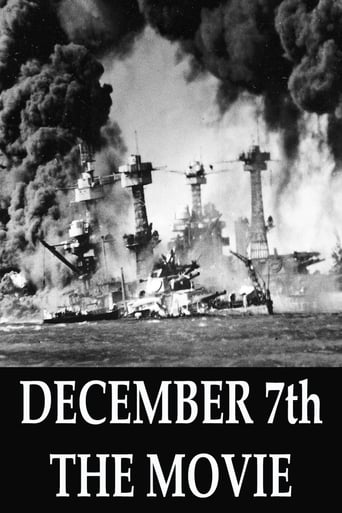
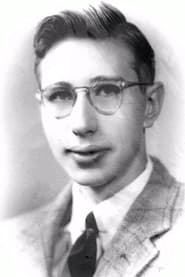
James Kevin McGuinness
Actor
Born: June 20, 1894 in Grand Rapids, Michigan, USA Died: February 24, 1969 Active: 1932-1955
Films
1 film
About James Kevin McGuinness
Made significant contributions to Hollywood's Golden Age, despite being primarily known for his writing rather than acting. Born in Michigan in 1894, McGuinness served in World War I before embarking on his film career in the 1930s, quickly establishing himself as a talented writer for major studios like MGM and Warner Bros. He penned numerous successful screenplays throughout the 1930s and 1940s, including the Academy Award-nominated 'The Story of Vernon and Irene Castle' starring Fred Astaire and Ginger Rogers. During World War II, he returned to military service and worked on the acclaimed documentary 'December 7th' (1943), directed by John Ford, which won an Academy Award for Best Documentary Short Subject. After the war, McGuinness continued his prolific writing career, contributing to both films and television, and became known for his ability to craft compelling narratives across various genres. His over three decades, during which he worked on more than 50 film projects, cementing his legacy as one of Hollywood's reliable and versatile screenwriters of the classic era.
The Craft
Milestones
- Academy Award nomination for Best Original Screenplay for 'The Story of Vernon and Irene Castle' (1939)
- Worked on Oscar-winning documentary 'December 7th' (1943)
- Served as producer on numerous MGM films in the 1940s
- Transitioned successfully to television writing in the 1950s
- Military service in both World Wars
- Wrote over 50 film screenplays during his career
Best Known For
Iconic Roles
Must-See Films
Accolades
Won
- Academy Award for Best Documentary Short Subject (as contributor to December 7th, 1943)
Nominated
- Academy Award nomination for Best Original Screenplay (The Story of Vernon and Irene Castle, 1939)
Special Recognition
- Military honors for service in World War I and World War II
Working Relationships
Worked Often With
Studios
Why They Matter
Impact on Culture
James Kevin McGuinness made a significant cultural impact through his contributions to both entertainment and wartime propaganda. His work on 'December 7th' helped shape American public perception of the Pearl Harbor attack and contributed to the war effort through documentary filmmaking. As a screenwriter during Hollywood's Golden Age, he helped create some of the era's most memorable films, particularly in the musical and historical drama genres. His ability to craft compelling narratives that resonated with contemporary audiences while addressing important historical events demonstrated the power of cinema as both entertainment and educational tool. McGuinness's dual career as both military officer and filmmaker represented the unique convergence of Hollywood and government during World War II, a relationship that would influence American cinema for decades to come.
Lasting Legacy
James Kevin McGuinness's legacy endures through his extensive body of work that helped define Hollywood's Golden Age. His Academy Award-winning documentary 'December 7th' remains an important historical document of World War II, while his screenplays continue to be studied for their craftsmanship and historical significance. As one of the many behind-the-scenes talents who shaped classic cinema, McGuinness represents the unsung heroes of Hollywood whose creative contributions enabled the stars and directors to shine. His successful transition from silent films through the sound era and into television demonstrated remarkable adaptability in an industry of constant change. The fact that he balanced a successful film career with military service in two world wars makes his story particularly unique in Hollywood history, serving as an example of how filmmakers can contribute to both culture and country.
Who They Inspired
McGuinness influenced subsequent generations of screenwriters through his versatility and professionalism across multiple genres. His work on historical dramas and musicals helped establish templates that would be followed by later writers in these genres. The documentary techniques he helped develop during World War II, particularly in 'December 7th,' influenced future wartime and historical documentary filmmaking. His ability to work successfully with major stars like Fred Astaire and Ginger Rogers demonstrated how writers could adapt their styles to complement specific performers' talents. Many of the junior writers and producers he mentored at MGM went on to have successful careers of their own, carrying forward his emphasis on narrative clarity and commercial viability.
Off Screen
James Kevin McGuinness led a life that balanced his successful Hollywood career with dedicated military service. He served as a lieutenant in the United States Army during World War I, an experience that would later influence his work on war-related films. During World War II, he returned to active duty and worked with the Office of Strategic Services, contributing to propaganda and documentary films including the acclaimed 'December 7th.' Beyond his professional achievements, McGuinness was known in Hollywood circles as a reliable and professional writer who could deliver quality scripts across various genres. He maintained a relatively private personal life, focusing primarily on his craft and military service rather than seeking celebrity status.
Education
University of Michigan (attended, did not complete degree due to military service)
Family
- Marjorie McGuinness (married 1920s-1969)
Did You Know?
- Despite being credited as an actor in some databases for 'December 7th,' McGuinness was primarily the writer and contributor to the documentary
- He served as a lieutenant in both World War I and World War II
- His Academy Award nomination for 'The Story of Vernon and Irene Castle' was shared with two other writers
- He was one of the few Hollywood figures with significant military service in both world wars
- McGuinness worked on over 50 film projects during his 25-year career
- He was particularly skilled at adapting historical events into compelling screen narratives
- His work often focused on American patriotism and historical themes
- He helped develop documentary techniques that would influence future non-fiction filmmaking
- McGuinness was known in Hollywood for his reliability and ability to meet deadlines
- He successfully transitioned from film to television writing in the 1950s
In Their Own Words
A good screenplay must serve both the story and the star, for neither can succeed without the other
In wartime, the camera becomes as important a weapon as the rifle
Writing for Hollywood requires both artistic vision and commercial sense
The best historical films make the past feel immediate and relevant to contemporary audiences
Frequently Asked Questions
Who was James Kevin McGuinness?
American screenwriter and film producer who worked during Hollywood's Golden Age, known for writing films like 'The Story of Vernon and Irene Castle' and contributing to the Oscar-winning documentary 'December 7th'.
What films is James Kevin McGuinness best known for?
Titles linked here include The Story of Vernon and Irene Castle (1939), December 7th (1943).
When was James Kevin McGuinness born and when did he die?
Born June 20, 1894; died February 24, 1969.
What awards did James Kevin McGuinness win?
McGuinness won an Academy Award for Best Documentary Short Subject for 'December 7th' (1943) and received an Academy Award nomination for Best Original Screenplay for 'The Story of Vernon and Irene Castle' (1939).
What was James Kevin McGuinness's career in Hollywood?
McGuinness had a prolific 25-year career as a screenwriter and producer, working on over 50 films for major studios like MGM and Warner Bros., specializing in historical dramas, musicals, and documentaries.
Did James Kevin McGuinness serve in the military?
Yes, McGuinness served as a lieutenant in both World War I and World War II, and during WWII he worked on documentary films for the war effort, including 'December 7th'.
What was James Kevin McGuinness's writing style?
McGuinness was known for his versatility across genres, his ability to craft compelling historical narratives, and his skill in adapting stories to showcase star performers while maintaining narrative integrity.