Tangled Trails
"A Mountie tracks his partner's killer to New York."
Keys: Space play/pause · ←/→ 10s · F fullscreen · M mute · </> speed
About this film
Corporal Jack Borden, of the Northwest Mounted Police, trails the man who killed his partner to New York City. The killer is an unscrupulous promoter who is selling worthless stock in a gold mine. Borden, with the help of Blanche Hall, locates the man in a Bowery dive, but he escapes and Borden tracks him back to Canada. Along the way, he discovers that Blanche and his sweetheart, Milly, are long-separated sisters and brings about a reconciliation.
Cast & crew
More Adventure films
View all →
More about this film
About the production
Release dateOctober 1921
ProductionIndependent Film Company
Filmed inLos Angeles, California, Studio backlot
As a typical silent film production of 1921, this movie was likely shot on location in California with studio sets representing both New York City and Canadian wilderness settings. The cross-border narrative was ambitious for its time, requiring multiple distinct visual environments. The production would have utilized the practical effects and location shooting techniques common to Western films of the era.
Themes
Justice and revengeLaw enforcement across bordersFamily reconciliationUrban vs. wildernessFinancial fraud and deception
Themes & topics
MountieNorthwest Mounted PoliceRevengeNew York CityBoweryGold mine scamCross-border pursuitSister reunionStock fraudCanadian wilderness
Historical background
By 1921, Tangled Trails was shaped by late silent cinema technology, distribution, and audience expectations.
Why this film matters
Tangled Trails (1921) helps trace genre evolution, performer careers, and exhibition practices of its period.
Making of
The production of 'Tangled Trails' took place during a transformative period in American cinema, as the industry was consolidating in Hollywood and establishing the star system. Director Charles Bartlett was one of many directors working prolifically during the silent era, often directing multiple films per year. The film would have been shot on black and white film stock with intertitles for dialogue and exposition. Location shooting was minimal compared to modern standards, with most scenes filmed on studio backlots using painted backdrops and limited set pieces. The cross-border narrative required creative set design to convincingly portray both Canadian wilderness and urban New York environments. Action sequences would have been performed by the actors themselves, with minimal stunt doubles, as was common practice in the early 1920s.
What critics said
Trade coverage around 1921 discussed Tangled Trails in terms of craft and audience appeal rather than blockbuster scale.
Did you know?
- This film represents an early example of the 'fish out of water' trope, with a Canadian Mountie navigating urban New York City
- Northwest Mounted Police (later RCMP) were popular protagonists in early American films, symbolizing honor and justice
- The film's cross-country pursuit from Canada to New York and back was relatively ambitious for a 1921 production
- Silent films of this era typically ran 50-70 minutes, making this a standard-length feature
- The Bowery setting in New York was a popular location for early crime films, representing urban danger and corruption
- Gold mine scams were a common plot device in Western films, reflecting real historical concerns about fraudulent investments
- The sister reunion subplot adds emotional depth to what might otherwise be a straightforward revenge narrative
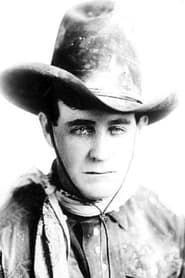
- Neal Hart was a prolific actor in Western films during the silent era, though not as well-remembered as stars like Tom Mix or William S. Hart
- The film's title 'Tangled Trails' refers both to the literal trail the Mountie follows and the complex relationships he uncovers
- 1921 was during the transition from short films to feature-length productions in Hollywood
Visual style
The cinematography of 'Tangled Trails' would have employed standard techniques for silent film production in 1921. The film was shot in black and white using natural lighting where possible and artificial studio lighting for interior scenes. Camera work would have been relatively static compared to modern filmmaking, with some tracking shots for action sequences. The cinematographer would have used different lighting techniques to distinguish between the Canadian wilderness scenes (bright, natural light) and the New York Bowery sequences (darker, more dramatic lighting). The cross-border narrative required visual contrast between outdoor and indoor settings, likely achieved through location shooting combined with studio work. Interiors would have been lit to create dramatic shadows and highlights appropriate for the emotional tone of each scene.
Innovations
As a standard genre film of 1921, 'Tangled Trails' would not have featured significant technical innovations. The film would have been shot on 35mm film stock using cameras and equipment standard for the period. The production may have employed some location shooting alongside studio work, requiring portable equipment and careful planning. The cross-border narrative presented some technical challenges in creating convincing settings for both Canadian wilderness and urban New York environments. The film would have utilized standard editing techniques of the era, including continuity editing and the use of intertitles for dialogue and exposition. Any action sequences would have been choreographed and filmed using established methods for creating excitement and danger without modern special effects technology.
Music
As a silent film, 'Tangled Trails' would have been accompanied by live musical performance during its theatrical run. The score would typically have been provided by a theater organist or small orchestra, using compiled music appropriate to the action and emotional tone of each scene. The music would have followed established conventions of silent film accompaniment, with dramatic themes for action sequences, romantic melodies for emotional scenes, and suspenseful music for moments of tension. Theaters often used cue sheets provided by film distributors, suggesting appropriate musical pieces for different scenes. The score would have been crucial in conveying emotion and advancing the narrative in the absence of spoken dialogue. No original soundtrack recordings would exist for this film, as accompaniment was always live and varied by theater.
Famous quotes
The trail of justice never grows cold, even when it crosses borders.
From the tundra to the tenements, a Mountie's duty follows the criminal.
Memorable scenes
- The dramatic confrontation in the Bowery dive where Corporal Borden finally confronts his partner's killer, surrounded by the urban underworld of New York City
- The emotional reunion scene between the long-separated sisters Blanche and Milly, facilitated by Borden's investigation
- The climactic chase sequence as Borden pursues the fleeing killer back to Canadian territory
What audiences thought
Audience reception for 'Tangled Trails' would have been typical of Western adventure films of its era - generally positive among fans of the genre who sought entertainment, action, and moral clarity. The film's themes of justice, revenge, and family reconciliation would have resonated with contemporary audiences. The Mountie protagonist would have appealed to viewers' admiration for law and order, while the New York City setting provided urban excitement and contrast. Box office performance would have depended on the star power of Neal Hart and the effectiveness of the film's promotional campaign. Like many films of this period, its success would have been measured by its ability to attract audiences to theaters during a competitive period when new films were released weekly.
Film connections
Influenced by
- Earlier Mountie films
- Western revenge narratives
- Silent era crime films
- Cross-country pursuit stories
Film restoration
Like many silent films from the early 1920s, 'Tangled Trails' is likely lost or exists only in fragmentary form. The survival rate for American silent films is estimated at around 25%, with many films lost due to the unstable nitrate film stock used in the era and lack of preservation efforts. If any copies survive, they would likely be held in film archives such as the Library of Congress, the Museum of Modern Art, or the Academy Film Archive. The film's status as a relatively standard genre production makes it less likely to have been preserved compared to more famous or critically acclaimed works from the same period.
Where to watch
- Internet Archive: https://archive.org/details/SandsofSacrifice
- Dailymotion: https://www.dailymotion.com/video/x8henjr