Films
1 film
About Neal Hart
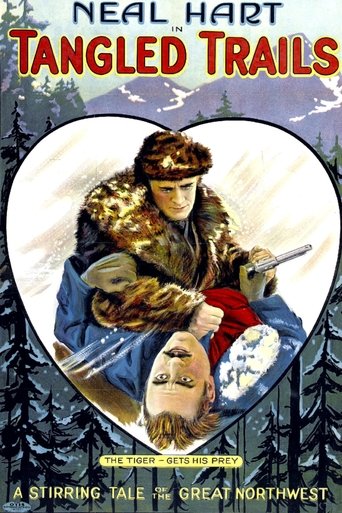
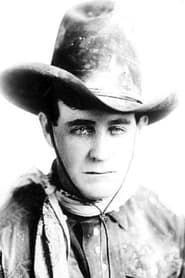
American silent-era actor, director, and writer: career was rooted in the western and adventure genres of the 1910s and early 1920s. He was especially active during the formative years of American feature filmmaking, when many performers moved fluidly between acting, directing, and writing to help shape the language of screen storytelling. Hart is remembered today primarily as a dependable character actor and occasional leading man in low-budget and mid-tier westerns, including Tangled Trails (1921), the film most commonly associated with his late surviving filmography entries. His screen work reflects the rugged, practical style of silent Western performers who relied on physical presence, clear characterization, and economy of gesture rather than spoken dialogue. In addition to acting, he also worked behind the camera, which places him among the many early cinema figures who were multi-hyphenate contributors to the industry’s development. Because surviving documentation on him is limited, much of his biography is reconstructed from film credits and trade references rather than extensive personal records. He remains a representative figure of silent-era Hollywood’s hardworking artisan class: not a major star, but an important part of the industry’s broad creative ecosystem.
The Craft
On Screen
Neal Hart’s acting style, as seen in surviving descriptions of silent western performers of his type, would have emphasized physical expressiveness, clear moral presence, and directness of gesture. In silent films, especially westerns, actors had to communicate character quickly and effectively without dialogue, and Hart’s work likely reflected that practical, understated approach. Rather than heavily theatrical or melodramatic exaggeration, his screen persona fits the tradition of the sturdy frontier figure who could project resolve, sincerity, and action-readiness through body language alone.
Milestones
- Worked in silent-era westerns as both an actor and behind-the-camera creative contributor
- Appeared in Tangled Trails (1921), the key surviving late credit associated with his screen career
- Represents the multi-talented performer-directors common in early American filmmaking
- Built a career in the rugged, action-oriented storytelling style of frontier pictures
- Contributed to the silent film industry during its transition into the feature-length era
Best Known For
Iconic Roles
Must-See Films
Working Relationships
Studios
Why They Matter
Impact on Culture
Neal Hart’s cultural impact lies less in celebrity than in representation: he belongs to the large group of early film craftsmen who helped establish the silent western as one of American cinema’s foundational genres. Performers like Hart gave shape to the screen cowboy, frontier lawman, and rugged outdoorsman archetypes that later became staples of Hollywood storytelling. His work helped sustain the production of genre films that reached broad audiences during the silent era and contributed to the popular mythology of the American West on screen. Even when not a marquee name, actors such as Hart were essential to the industry’s growth because they embodied the dependable, functional artistry on which early film production depended. In that sense, his career reflects the broader cultural labor of silent cinema: building genre language, visual conventions, and audience expectations that remained influential long after the silent period ended.
Lasting Legacy
Neal Hart’s legacy is that of a working silent-era film professional whose career illustrates how early Hollywood was built not only by stars but by versatile, often under-credited contributors. His association with westerns places him within. Because so much of his record is fragmentary, his name is preserved mainly through filmographies and archival indexes, which is common for many silent-era figures whose work survives more fully than their personal histories. His continuing relevance today is largely historical: he is useful to film scholars and database researchers as an example of the many actors who bridged acting and filmmaking duties during cinema’s formative decades. In that way, Hart’s legacy is inseparable from the broader preservation of silent cinema itself.
Who They Inspired
Hart’s influence was likely indirect rather than celebrity-driven. By participating in and helping shape early western productions, he contributed to the visual and performance conventions that later actors inherited: the concise hero pose, the physical confrontation, and the morally legible frontier character. His career also demonstrates the early studio-era norm that performers could expand into directing and writing, a pattern that influenced later generations of multitalented filmmakers. While he may not have influenced a named roster of protégés, his work formed part of the practical foundation on which more widely recognized western stars and directors built their careers.
Off Screen
Very little reliably documented personal information survives about Neal Hart in readily available film-history sources. Unlike many major stars of the silent era, he does not appear to have left behind a well-known public record of marriages, family life, or celebrity coverage. As a result, his private life remains largely obscure, and any claims beyond basic film credit information should be treated cautiously unless confirmed by archival sources. He is best understood through his professional work rather than through a widely chronicled personal biography.
Did You Know?
- Neal Hart is most often encountered today through filmography records rather than extensive biographical writing.
- He worked during a period when many silent-film professionals moved between acting, directing, and writing.
- His known surviving association with Tangled Trails (1921) places him at the tail end of the silent western’s early development.
- Like many silent-era western players, he likely relied heavily on physical expressiveness and outdoor action rather than dialogue-driven performance.
- He is a representative example of the many lesser-known artisans who kept early Hollywood production moving.
- Documentation of his personal life is sparse, which is common for many early 20th-century film workers outside the major star system.
- His career reflects the industry’s reliance on versatile specialists in an era before large-scale specialization became standard.
- He is sometimes of interest to historians because performers with his name often appear in multiple silent western credits across archival databases.
Frequently Asked Questions
Who was Neal Hart?
American silent-era actor, and also worked as a on YTB.my. He is best remembered for his work in westerns and for appearing in Tangled Trails (1921).
What films is Neal Hart best known for?
Titles linked here include Tangled Trails (1921).
When was Neal Hart born and when did he die?
Reliable publicly accessible sources do not consistently provide verified birth and death dates for Neal Hart. His personal vital statistics are therefore listed as unknown in many modern references.
What awards did Neal Hart win?
No major awards or nominations are commonly documented for Neal Hart in surviving film-history references. His significance is historical and genre-based rather than awards-based.
What was Neal Hart's acting style?
His acting style would have been shaped by silent western performance conventions: direct physical expression, clear character definition, and economical gesture. He likely projected the sturdy, action-ready presence that silent frontier roles required.
What is Neal Hart's legacy in film history?
Neal Hart’s legacy lies in his contribution to the silent western and to early Hollywood’s multi-talented production culture. He represents the many working filmmakers whose names survive in credits even when personal details are sparse, but whose labor helped build American genre cinema.