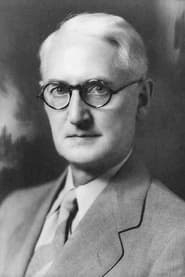
Joseph W. Girard
Actor
Born: April 2, 1871 in Little Rock, Arkansas, USA Died: August 21, 1949 Active: 1911-1931 Birth Name: Joseph Girard
Films
7 films

About Joseph W. Girard
Prolific American character actor who became recognizable faces in silent cinema, appearing in over 280 films during his two-decade career. Born in Little Rock, Arkansas, he began his film career in the early 1910s and quickly established himself as the go-to actor for authority figures, playing judges, police chiefs, military officers, and government officials with remarkable consistency. His stern demeanor, commanding presence, and distinctive mustache made him instantly recognizable to movie audiences of the era. Girard worked with nearly every major studio and appeared alongside many of the biggest stars of the silent period, though he rarely received top billing. He successfully made the transition to sound films in the late 1920s, continuing his typecast roles in talkies before retiring from acting in the early 1930s. Despite his extensive filmography, Girard remained a supporting player throughout his career, never ascending to leading man status but becoming an invaluable character actor that directors could rely upon. His final years were spent in Los Angeles where he passed away in 1949, leaving behind a legacy as one of Hollywood's most dependable character actors during the golden age of silent cinema.
The Craft
On Screen
Girard specialized in portraying stern, authoritative characters with a commanding screen presence. His acting style was characterized by a serious demeanor, rigid posture, and a distinctive delivery that emphasized gravitas and officialdom. He often used minimal gestures but maximized facial expressions, particularly his stern gaze and furrowed brow, to convey authority and seriousness. His performances were consistent and reliable, making him a favorite among directors who needed convincing authority figures without extensive character development.
Milestones
- Appeared in over 280 films during his career
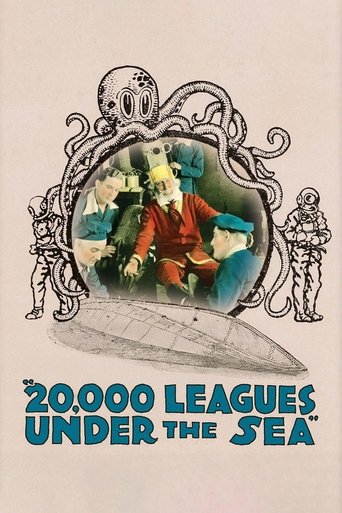
- Starred in 20,000 Leagues Under the Sea (1916)
- Successfully transitioned from silent to sound films
- Worked with every major Hollywood studio
- Became typecast as the quintessential authority figure in silent cinema
- Appeared in films with major stars like Clara Bow and Gloria Swanson
Best Known For
Iconic Roles
Must-See Films
Working Relationships
Worked Often With
Studios
Why They Matter
Impact on Culture
Joseph W. Girard's cultural impact lies in his contribution to establishing the archetype of the authority figure in American cinema. During an era when movies were establishing their visual language, Girard helped define how authority and institutional power were represented on screen. His consistent portrayals of judges, police chiefs, and military officials created a template that would be followed by character actors for decades. In silent films, where visual storytelling was paramount, his distinctive appearance and authoritative bearing made him an instantly recognizable symbol of officialdom and social order. His work in hundreds of films helped audiences of the 1910s and 1920s understand narrative hierarchies and power structures through his consistent characterizations.
Lasting Legacy
Joseph W. Girard's legacy is that of one of Hollywood's most prolific and reliable character actors during the silent era and early sound period. While never a star, his face was known to millions of moviegoers through his appearances in over 280 films. He represents the crucial supporting actors who formed the backbone of the studio system, providing the necessary character types that made stories work. Film historians and silent cinema enthusiasts recognize him as an essential component of early Hollywood's success, demonstrating how character actors contributed to the industry's growth. His career also illustrates the typecasting that was common in early cinema, where actors who found success in particular roles were rarely allowed to deviate from them. Girard's work remains proof of the importance of character actors in creating believable cinematic worlds.
Who They Inspired
Girard influenced subsequent generations of character actors who specialized in authority figures, helping establish the visual and performance conventions for portraying officials in American cinema. His consistent approach to playing judges, police chiefs, and military officers created a blueprint that actors like Edgar Kennedy, Charles Lane, and others would follow in sound films. His ability to convey authority through minimal dialogue in silent films demonstrated the importance of physical presence and facial expression in character acting. While he never formally mentored other actors, his extensive body of work served as a masterclass in typecast character acting for performers studying the craft of supporting roles.
Off Screen
Joseph W. Girard maintained a relatively private personal life despite his prolific career in Hollywood. He married early in life and remained married to his wife throughout his film career, though specific details about his family are scarce. Unlike many actors of his era, Girard avoided the Hollywood social scene and was known for his professional dedication and no-nonsense approach to his craft. He lived primarily in the Los Angeles area during his active years and remained there after his retirement from acting. His life off-screen was marked by stability and discretion, with no public scandals or controversies reported during his lifetime.
Education
No formal acting training documented; likely learned through experience in theater and early cinema
Family
- Unknown (married throughout career)
Did You Know?
- Appeared in over 280 films in just 20 years
- Was typecast so consistently as an authority figure that audiences rarely saw him in other types of roles
- His distinctive mustache became his trademark and helped casting directors immediately identify him for official roles
- Successfully made the transition from silent films to talkies despite his age
- Often worked without on-screen billing in many of his film appearances
- His filmography includes appearances in some of the most famous silent films ever made
- Never received top billing in any major film but was consistently employed throughout his career
- Was one of the busiest character actors in Hollywood during the 1920s
- His stern facial expression and authoritative bearing made him instantly recognizable to silent film audiences
- Worked with virtually every major director and star of the silent era
In Their Own Words
No specific documented quotes from the actor himself; his characters typically delivered official pronouncements and judgments rather than memorable dialogue
Frequently Asked Questions
Who was Joseph W. Girard?
Prolific American character with credits in this catalog. He was best known for playing authority figures like judges, police chiefs, and military officers, becoming.
What films is Joseph W. Girard best known for?
Titles linked here include 20,000 Leagues Under the Sea (1916), The Lighthouse by the Sea (1924).
When was Joseph W. Girard born and when did he die?
Born April 2, 1871; died August 21, 1949.
What awards did Joseph W. Girard win?
Joseph W. Girard did not receive any major formal awards during his career, which was common for character actors in the silent era. His recognition came from his consistent employment and the respect of directors who relied on his reliable performances.
What was Joseph W. Girard's acting style?
Girard's acting style was characterized by his authoritative presence, stern demeanor, and consistent portrayal of official figures. He used minimal gestures but maximized facial expressions, particularly his stern gaze and distinctive mustache, to convey authority and gravitas in his roles.