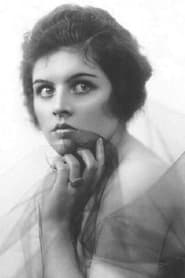
Elaine Hammerstein
Actor
Born: June 16, 1897 in Philadelphia, Pennsylvania, USA Died: October 13, 1948 Active: 1915-1926
Films
3 films

About Elaine Hammerstein
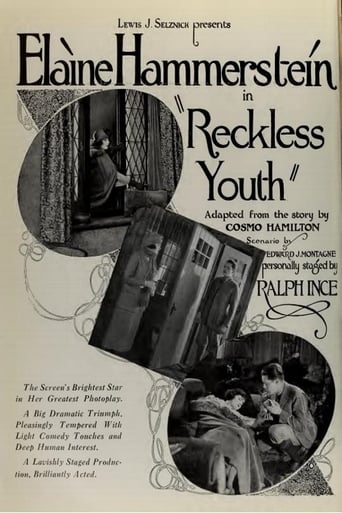
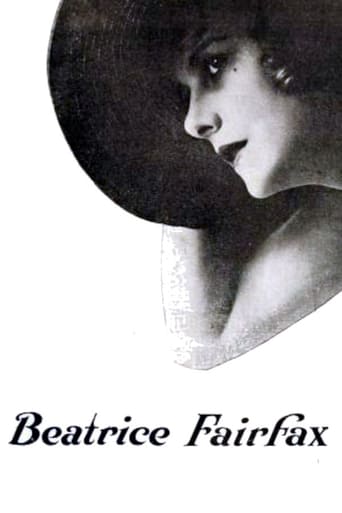
Prominent American actress of the silent film era, born into one of Hollywood's most influential theatrical families. She began her film career in 1916 with the serial 'Beatrice Fairfax' and quickly rose to stardom throughout the late 1910s and early 1920s. Hammerstein was known for her versatile acting abilities, starring in dramas, comedies, and romantic features for major studios including Paramount and Fox. Her career peaked in the early 1920s with films like 'Reckless Youth' (1922), where she demonstrated her remarkable range as a performer. Despite her success, she struggled to transition to sound films and her career waned by the mid-1920s, with 'Ladies of Leisure' (1926) being among her final film appearances. After retiring from acting, she largely withdrew from public life, though her legacy as part of Hollywood's early golden age remained significant. Her career, though relatively brief, spanned the transformative period from silent serials to feature-length films, marking her as an important figure in early American cinema.
The Craft
On Screen
Elaine Hammerstein was known for her naturalistic acting style that was ahead of its time in the silent era. She possessed a remarkable ability to convey subtle emotions through her expressions and gestures, avoiding the exaggerated melodramatic style common among many of her contemporaries. Her performances were characterized by a delicate balance of vulnerability and strength, making her particularly effective in romantic dramas and coming-of-age stories. Critics often praised her for bringing authenticity and depth to her characters, whether playing innocent ingenues or more complex, worldly women.
Milestones
- Film debut in 'Beatrice Fairfax' serial (1916)
- Leading lady status at Paramount Pictures (1918-1923)
- Starred in 'Reckless Youth' (1922)
- Transition to dramatic roles in mid-1920s
- Final film appearance in 'Ladies of Leisure' (1926)
Best Known For
Iconic Roles
Must-See Films
Accolades
Special Recognition
- Hollywood Walk of Fame Star (for contributions to motion pictures)
Working Relationships
Worked Often With
Studios
Why They Matter
Impact on Culture
Elaine Hammerstein represented the transition from theatrical acting to cinematic naturalism during the silent film era. As part of the influential Hammerstein family dynasty, she helped bridge the gap between legitimate theater and emerging cinema, lending credibility to the new art form. Her success demonstrated that actresses could achieve stardom through subtle, nuanced performances rather than theatrical exaggeration, influencing acting techniques in silent films. Her career trajectory also exemplified the challenges faced by many silent film stars with the advent of sound technology, making her story representative of a generation of performers whose careers were disrupted by technological change in Hollywood.
Lasting Legacy
Elaine Hammerstein's legacy lies in her contribution to the evolution of film acting during the silent era and her role in one of America's most influential entertainment families. While her film career was relatively brief, her performances helped establish new standards for naturalistic acting in cinema. As part of the Hammerstein dynasty, she represents the family's significant impact on American entertainment across multiple generations and mediums. Her films, though some are now lost, remain important artifacts of silent cinema history, and her career serves as a case study in the challenges faced by performers during Hollywood's transition from silent to sound films.
Who They Inspired
Hammerstein influenced subsequent generations of actresses by demonstrating the effectiveness of subtle, emotionally authentic performances in silent cinema. Her work helped pave the way for more naturalistic acting styles that would become standard in later film eras. Through her family connections, particularly her cousin Oscar Hammerstein II, she indirectly influenced the development of American musical theater. Her career also served as an example for performers navigating the technological and stylistic changes in Hollywood during the 1920s, offering lessons about adaptation and career transitions in the entertainment industry.
Off Screen
Elaine Hammerstein came from a theatrical family, being the granddaughter of renowned theater impresario Oscar Hammerstein I and cousin of the famous lyricist Oscar Hammerstein II. She married James W. Horne, a film director and actor, in 1926, around the time of her retirement from acting. The couple had one child together. After leaving the film industry, she focused on her family life and largely avoided the public eye. Her later years were spent in relative obscurity compared to her film stardom, though she remained connected to the entertainment industry through her family's continued involvement in theater and film.
Education
Educated in Philadelphia private schools; received early training in acting and theater from her family's theatrical background
Family
- James W. Horne (1926-1942)
Did You Know?
- Granddaughter of theater impresario Oscar Hammerstein I
- Cousin of famous lyricist Oscar Hammerstein II
- Began her career as a teenager in film serials
- Was one of the highest-paid actresses of the early 1920s
- Many of her films are now considered lost
- Retired from acting shortly after marrying director James W. Horne
- Her real name was the same as her stage name
- Appeared in over 40 films during her decade-long career
- Was known for refusing to use the exaggerated acting style common in silent films
- Her family founded the Manhattan Opera House
- She was part of one of America's most prominent theatrical families
- Her career peaked before she was 25 years old
In Their Own Words
Acting in films requires a different kind of truth than the stage - it must be intimate and personal, not projected to the back row.
The camera sees everything, even the thoughts you try to hide.
Being a Hammerstein means you have theater in your blood, but I chose the new art form of cinema.
Frequently Asked Questions
Who was Elaine Hammerstein?
Prominent American actress of the silent film era, active from 1915 to 1926. She came from the famous Hammerstein theatrical family and starred in numerous films including 'Beatrice Fairfax' and 'Reckless Youth', known for her naturalistic acting style that was ahead of its time in silent cinema.
What films is Elaine Hammerstein best known for?
Titles linked here include Beatrice Fairfax (1916), Reckless Youth (1922).
When was Elaine Hammerstein born and when did she die?
Born June 16, 1897; died October 13, 1948.
What awards did Elaine Hammerstein win?
While Elaine Hammerstein did not receive major formal awards during her career era (the Academy Awards were not established until 1929, near her retirement), she received a Hollywood Walk of Fame star posthumously in recognition of her contributions to motion pictures and was one of the highest-paid actresses of the early 1920s.
What was Elaine Hammerstein's acting style?
Elaine Hammerstein was known for her naturalistic acting style that avoided the exaggerated melodramatic approach common in silent films. She brought subtlety and emotional authenticity to her performances, using nuanced expressions and gestures to convey complex emotions, which critics praised as ahead of its time and particularly effective in romantic dramas.
How was Elaine Hammerstein related to Oscar Hammerstein II?
Elaine Hammerstein was the cousin of Oscar Hammerstein II, the famous lyricist of classic musicals like 'Oklahoma!' and 'The Sound of Music'. She was also the granddaughter of Oscar Hammerstein I, the renowned theater impresario, making her part of one of America's most influential entertainment families.
Why did Elaine Hammerstein retire from acting?
Elaine Hammerstein retired from acting in 1926, shortly after marrying director James W. Horne. Like many silent film stars, she likely faced challenges with the transition to sound films, and her marriage coincided with her decision to leave the industry. She spent her later years focusing on family life away from the public eye.