Beatrice Fairfax
"Beatrice Fairfax, the original advice-to-the-lovelorn reporter and her friend and…"
Keys: Space play/pause · ←/→ 10s · F fullscreen · M mute · </> speed
About this film
Beatrice Fairfax, the original advice-to-the-lovelorn reporter and her friend and not-so-secret admirer Jimmy Barton investigate calls for help and escape exotic perils and dangers. Episodes include exciting and fun stories of baby-napping, blackmail, jewel thievery, disguise, counterfeiting, and the long-unseen episode featuring entrancing cult starlet Olive Thomas and the real New York Yankees and Giants playing a game in the Polo Grounds.
Cast & crew
More Action films
View all →
More from Leopold Wharton
View all →
More about this film
About the production
Release dateMarch 6, 1916
ProductionWharton Studios, International Film Service
Filmed inNew York City, Polo Grounds (Manhattan, New York), Ithaca, New York
Beatrice Fairfax was one of the earliest film serials based on a real-life advice column that appeared in newspapers. The production was notable for its on-location shooting in New York City, which was relatively uncommon for the time. The serial was filmed during baseball season, allowing for the inclusion of actual Yankees and Giants players. Wharton Studios, based in Ithaca, New York, was known for producing serials and took advantage of the diverse landscapes of upstate New York for various episodes. The production faced challenges coordinating with professional baseball teams and securing permits for filming in urban locations.
Themes
Female independence and capabilityJustice and crime-solvingUrban modernityProfessionalism in journalismRomantic tension within partnerships
Themes & topics
advice columnistdetectiveserialmysterycrime-solvingbaseballnewspaperNew York Citychasedisguiseblackmailjewel theftbaby-nappingcounterfeitingcult
Historical background
Beatrice Fairfax (1916) emerged during the silent-film era. Beatrice Fairfax, the original advice-to-the-lovelorn reporter and her friend and not-so-secret admirer Jimmy Barton investigate calls for help and escape exotic perils and dangers. Archival records and catalog entries help place the work within film-history surveys of the period.
Why this film matters
Preserved under Wikidata ID Q3280641, Beatrice Fairfax is valued as a screen drama within catalog and archive collections. Wikipedia's "Beatrice Fairfax" entry connect it to broader histories of cinema exhibition and restoration.
Making of
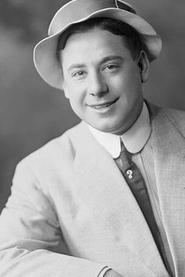
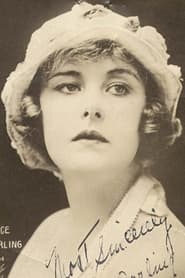
The production of Beatrice Fairfax was a collaborative effort between the Wharton brothers and International Film Service, with Leopold Wharton taking primary directing duties. The serial was filmed on location in and around New York City, which was unusual for the period when most productions relied on studio sets. The inclusion of real baseball games required extensive coordination with team managers and league officials. Harry Fox brought his vaudeville experience to the production, incorporating physical comedy and dance elements into his performance. The casting of Grace Darling as Beatrice was significant, as she brought a sense of modern independence to the role that resonated with contemporary audiences. The production team worked closely with newspaper offices to ensure authenticity in depicting the journalistic world. The serial's success led to similar productions featuring female protagonists in investigative roles.
What critics said
Trade and archival sources offer limited day-one review coverage for Beatrice Fairfax. Modern reception rests on its availability in collections, repertory screenings, and reference works that document 1916 cinema.
Did you know?
- Beatrice Fairfax was based on the real-life advice column 'Ask Beatrice Fairfax' that appeared in the New York Evening Journal, written by Marie Manning under the pseudonym Beatrice Fairfax
- This was one of the earliest film serials to feature a female protagonist in an investigative role, predating more famous serial detectives like The Perils of Pauline
- Harry Fox, who played Jimmy Barton, was a famous vaudeville dancer and is credited with popularizing the 'foxtrot' dance
- The serial featured real professional baseball players, including members of the New York Yankees and Giants, making it one of the earliest films to show actual professional athletes
- Olive Thomas, who appeared in one episode, would later become a major star before her tragic death in 1920
- The character of Beatrice Fairfax was one of cinema's earliest examples of a career woman protagonist who was both intelligent and independent
- Only a few episodes of the original 15 are known to survive today, making it a partially lost film
- The serial was produced by brothers Leopold and Theodore Wharton, who were pioneers in American serial filmmaking
- The Polo Grounds scenes were filmed during an actual game, making it one of the earliest examples of documentary-style footage incorporated into a narrative film
- The serial was released weekly, following the format of newspaper serialization that was popular at the time
Visual style
The cinematography of Beatrice Fairfax was notable for its extensive use of actual New York City locations, providing a documentary-like quality to many scenes. The camera work employed dynamic angles during action sequences, particularly in chase scenes and escapes. The baseball scenes utilized wide shots to capture the scale of the Polo Grounds and the excitement of the game. Indoor scenes were lit using natural light when possible, creating a realistic atmosphere. The serial featured innovative camera movements for the time, including tracking shots during pursuit sequences. The visual style emphasized clarity and realism, avoiding the theatrical staging common in earlier films.
Innovations
Beatrice Fairfax demonstrated several technical innovations for its time, including extensive location shooting in urban environments, which presented unique lighting and sound challenges. The production successfully coordinated filming during actual sporting events, requiring careful timing and camera placement. The serial maintained narrative continuity across 15 episodes, an impressive organizational achievement for the period. The use of real newspaper offices and printing presses provided authentic industrial settings. The action sequences featured elaborate stunts and special effects that were advanced for 1916. The production's ability to film in diverse locations, from city streets to baseball stadiums, showcased the growing mobility and technical capability of film crews.
Music
As a silent film, Beatrice Fairfax would have been accompanied by live musical performances during theatrical exhibitions. The score likely consisted of popular songs of the period, classical pieces, and original compositions by theater organists or pianists. The baseball scenes would have featured popular sporting anthems and ragtime music. Romantic moments between Beatrice and Jimmy would have been underscored with sentimental ballads. Action sequences would have been accompanied by dramatic, fast-paced music to heighten tension. The specific musical selections would have varied by theater, as each venue had its own musical director and performers.
Famous quotes
I answer all questions of love - and sometimes, questions of crime as well." - Beatrice Fairfax
Jimmy, some mysteries can't be solved with a baseball bat, no matter how hard you swing." - Beatrice Fairfax
In this city, every letter to the editor might be a cry for help." - Jimmy Barton
Memorable scenes
- The thrilling baseball sequence at the Polo Grounds where Beatrice and Jimmy must identify a counterfeiter among the real Yankees and Giants players during an actual game
- The climactic chase through the streets of New York where Beatrice pursues jewel thieves while disguised as a society woman
- The tense confrontation with the cult leader in the episode featuring Olive Thomas, where Beatrice must rescue a victim from a secret ceremony
What audiences thought
Beatrice Fairfax was popular with contemporary audiences, particularly women who identified with the independent protagonist. The weekly release format created anticipation and discussion among viewers, similar to modern television series. The combination of mystery, romance, and adventure appealed to a broad demographic. The inclusion of baseball players attracted sports fans to the cinema, expanding the audience beyond typical filmgoers. Audience letters published in trade papers expressed enthusiasm for Beatrice's intelligence and capability, with many viewers requesting more episodes featuring her adventures. The serial's success demonstrated market demand for female-led action content.
Film connections
Influenced by
- Newspaper serials and advice columns
- Early detective fiction
- Progressive Era women's movement
- Vaudeville comedy traditions
- Baseball's growing popularity in American culture
This film influenced
- The Perils of Pauline (1914) and subsequent serials
- Later female detective films
- Newspaper-based films like 'The Front Page' (1931)
- Sports-themed narrative films
Film restoration
Beatrice Fairfax is a partially lost film. Of the original 15 episodes, only a handful are known to survive in various film archives, including the Library of Congress and the Museum of Modern Art. The surviving episodes exist in incomplete form, with some scenes missing or damaged. The baseball episode featuring the Yankees and Giants is partially preserved, though not in its entirety. Several episodes, including those featuring Olive Thomas, are considered completely lost. The surviving footage has been preserved on 16mm and 35mm film stock, with some digital restoration efforts undertaken by film preservation organizations.
Where to watch
- The surviving episodes are occasionally screened at silent film festivals and special events
- Some fragments may be available through film archives and specialized cinema libraries
- The Library of Congress holds portions of the serial in their collection
- Occasionally shown at museum retrospectives of early American cinema
- Limited availability through specialized film preservation organizations and silent film societies